MacBook Neo's Unexpected Success Leads to Apple A18 Pro Chip Shortage
The Apple MacBook Neo has surpassed all expectations, achieving an unexpected level of success that has led to the rapid depletion of its initial reserve of A18 Pro chips. This unforeseen demand presents a significant logistical challenge for Apple. The company had initially sourced these chips from existing stock or binned versions, a strategic move to launch a competitively priced product without immediately committing to a new, dedicated manufacturing run.
MacBook Neo's Success Forces Apple to Seek More A18 Pro Chips, Which Are Now Depleted

The overwhelming market demand for the MacBook Neo is now compelling Apple to engage in urgent negotiations for new production with TSMC. Transitioning from utilizing accumulated inventory to initiating live capacity within a highly sought-after advanced node will undoubtedly create a less comfortable scenario and could significantly impact the product's cost structure.
Can Apple Maintain the MacBook Neo's Price Amidst Increased TSMC Orders?

Maintaining the MacBook Neo's competitive price point could become a considerable challenge if Apple incurs higher manufacturing costs for new A18 Pro chips. Furthermore, Apple faces the complication of potentially paying for A18 Pro chips with higher inherent capabilities than are strictly needed, merely to maintain the product's current 5-core GPU configuration – a process known as "forced binning." Adding to this pressure are rising prices for crucial components such as DRAM and aluminum, further complicating the strategy for a product specifically designed for high volume and affordability.
Faced with this situation, Apple must decide whether to accept reduced profit margins, adjust the MacBook Neo's retail price, or absorb the additional costs to sustain the impressive sales momentum of a product that has connected surprisingly well with the market. While this is certainly a "blessed problem," it represents a significant strategic dilemma for a newly launched product.
Fresh materials — Technology News

GTA VI: PlayStation 5 Firmware Update May Force Jailbreak Loss
Grand Theft Auto VI (GTA VI) is poised to create a dilemma for PlayStation 5 owners who wish to maintain their consoles with jailbreak-compatible firmware. According to data surfaced from the PlayStation Store backend by PlayStation Game Size, GTA VI will mandate at least PS5 firmware version
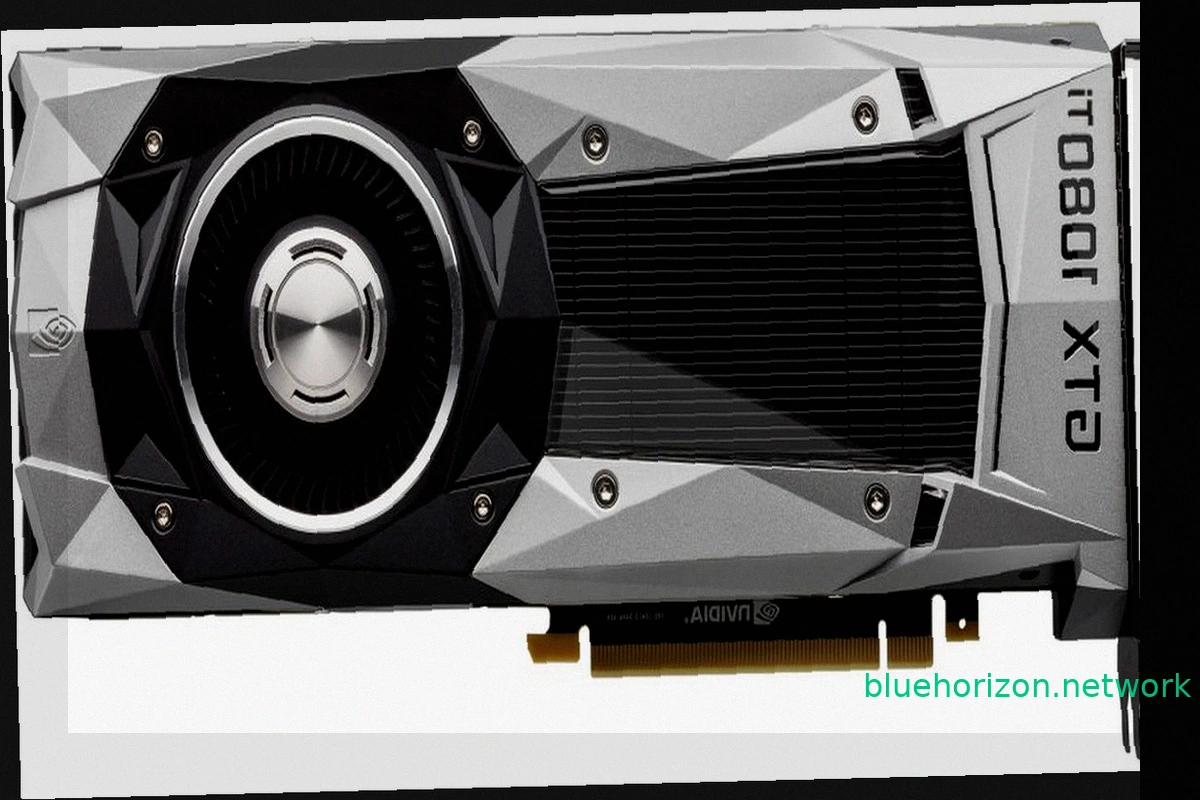
NVIDIA TITAN XP and GTX 1000 Series Achieve Windows XP Compatibility with Unofficial Forceware 382.69 Drivers
While modern PC components like RTX 50 graphics cards, Ryzen X3D CPUs, and high-speed RAM drive up costs, older hardware offers a budget-friendly alternative. A peculiar development now brings a degree of compatibility between older GPUs and Windows XP: the GTX 1000 series, including the TITAN

Google Wins AI Overviews Legal Battle Against Publishers
Google secured a significant court victory in the United States against publishers accusing the company of using their content to power AI Overviews. The core of the lawsuits was that these AI-generated summaries reduce website traffic. Federal Judge Amit P. Mehta of the District Court of Colu

Germany Launches Gaming-Focused Electricity Tariff with Consumption Rewards
German energy provider SWK Energie has introduced an unusual market segment for electricity: gamers. The company is promoting "meinGAMING," an electricity tariff designed for households with high energy consumption, specifically targeting gamers with powerful computers, streamers, and users wit

RuneScape 4 Announced: A New MMORPG Built on Unreal Engine
Jagex revealed RuneScape 4 (RS4) at RuneFest 2026. This new MMORPG, currently a working title, will be the fourth generation in the RuneScape franchise. The significant technological shift for this installment is its development on the Unreal Engine. While the specific version isn't confirmed, it
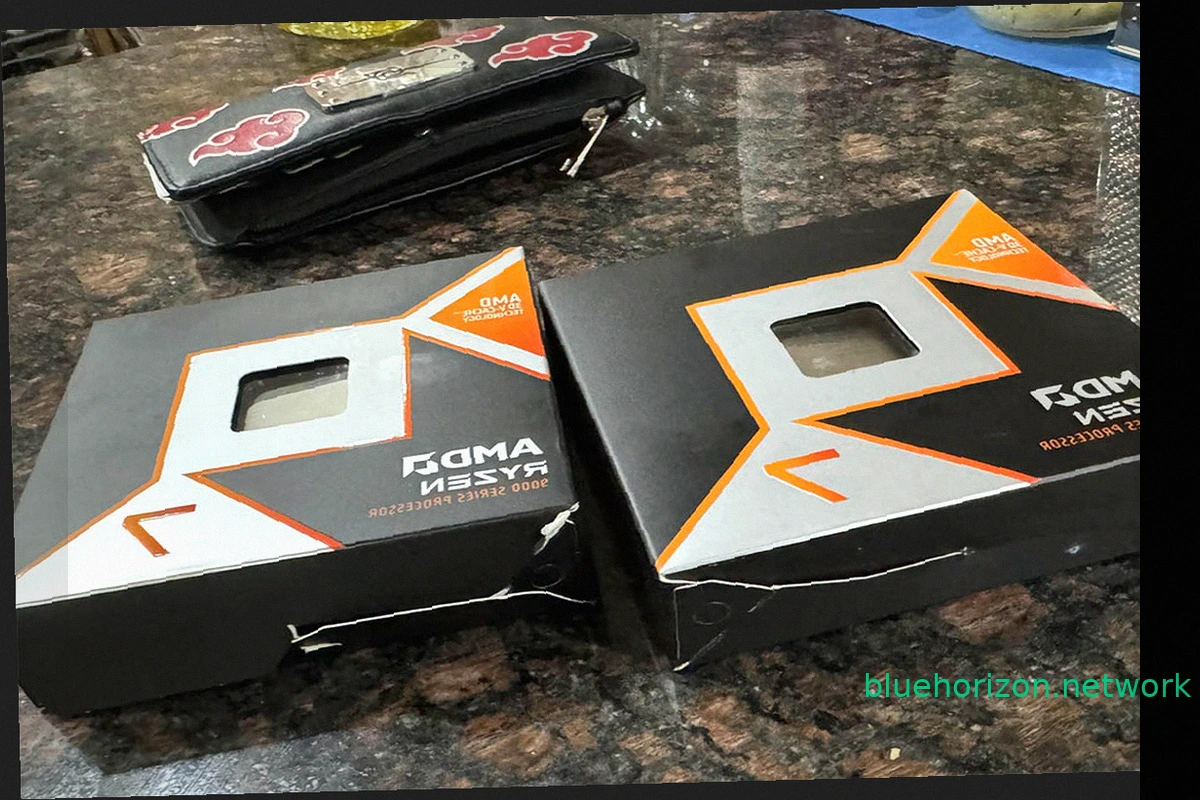
Ryzen 9850X3D Order Mix-Up: User Receives Intel Core i3-3220s Instead
AMD's gaming dominance, solidified by the Ryzen 7 7800X3D and its successor the 9800X3D, left Intel without comparable options. The subsequent release of the slightly faster Ryzen 9850X3D further cemented this lead. These processors are highly sought after by gamers. However, a recent Amazon o