Memory Prices Soar, But Samsung Fears Imminent Recession: Is the DRAM and NAND Boom Ending?
The memory industry is currently experiencing an unprecedented growth phase, with DRAM and NAND chip prices reaching historical highs within a single quarter. However, despite this booming market, some manufacturers, particularly Samsung, are already anticipating a potential shift towards a bearish cycle. Samsung expresses concerns about an imminent recession in memory prices, a perspective that contrasts with recent data showing a thriving market.
This contrast is striking: the sector is driven by demand from artificial intelligence and data centers, fueling a "supercycle," yet doubts persist about its long-term sustainability.
Counterpoint Research Details the Sector's Quarterly Surge
An analysis by Counterpoint Research clearly illustrates the current state of the memory market. According to their data, key product prices surged significantly during the Chinese Lunar New Year period. For instance, 64GB DDR5 RDIMM server modules saw a 150% quarter-over-quarter increase. LPDDR5X 12GB memory for smartphones experienced a 130% rise. The laptop segment showed the most surprising gain, with 8GB DDR4 SO-DIMM memory, considered an older generation product, jumping up to 180% in the same timeframe.
NAND memory also recorded notable increases, ranging from approximately 130% to 150%. This surge is attributed to high demand from data centers and previous production cuts that limited available inventory.
Analyst Min-sung Hwang noted that while DRAM and NAND production is expected to expand by approximately 26% and 24% respectively this year, these new capacities will not significantly impact market balance until at least the second half of 2027. This suggests that the current shortage will persist for a considerable period.
Samsung Anticipates a Memory Sector Recession Sooner Than Expected
While the market celebrates this boom, Samsung is already evaluating the next cyclical moves, and the outlook is not optimistic. Industry sources indicate that Samsung's Device Solutions division fears the current AI-driven supercycle may last only one or two years before entering a correction phase.
This phenomenon is recurrent in the industry: aggressive price increases drive massive investments in production. When these new factories become operational, the market can suddenly become oversaturated. Samsung fears precisely this situation, anticipating a recession due to pressure from its partners and the imbalance between increased capacity and demand, which, though high, could moderate.
Currently, Samsung is expanding its capacity in advanced DRAM processes like 1b and preparing for 1c. Concurrently, SK Hynix and Micron are also expanding their facilities globally. If all these investments lead to a massive production increase by 2028, the market balance could shift rapidly.
Therefore, even as DRAM and NAND prices continue to soar today, some manufacturers, led by Samsung, are already questioning the durability of this boom and whether a memory market recession is inevitable.
Fresh materials — Technology News
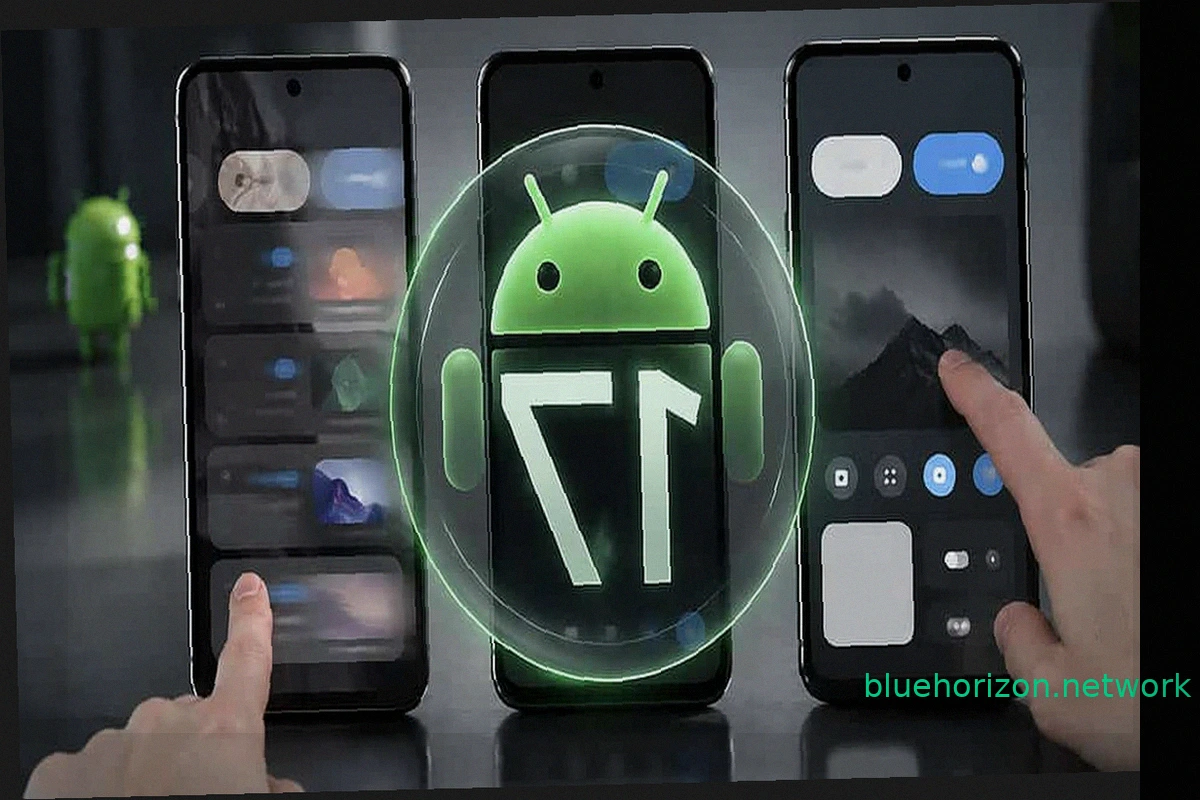
Google Pixel Devices Hit by Nightmare Bug: September Update Locks Out Some Users
Updating your phone should be a simple process: install, restart, and continue. But imagine completing the update, entering your usual unlock pattern, and the phone not even letting you finish it. Your photos and messages remain, but you're locked out. This is the predicament some Google Pixel
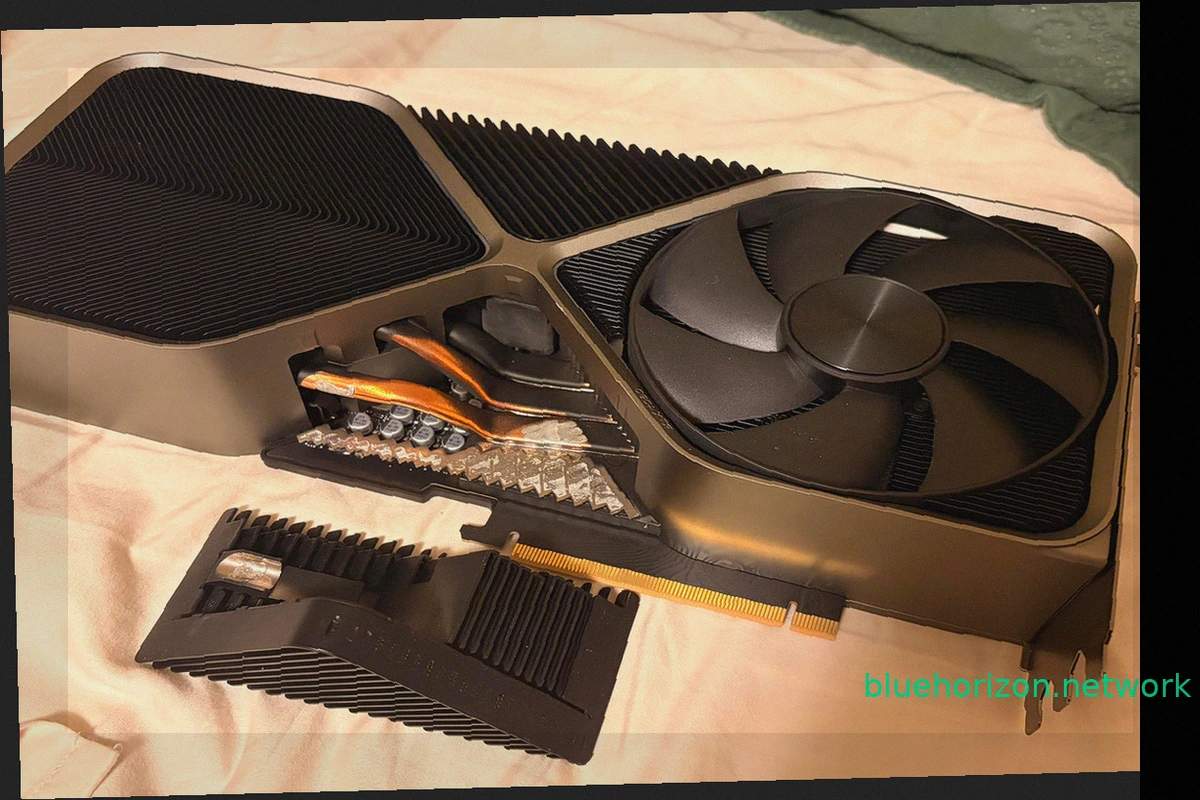
NVIDIA GeForce RTX 4090 Founders Edition Loses Part of Its Heatsink After Three Years
A NVIDIA GeForce RTX 4090 Founders Edition has presented an unusual problem, not with its power connector, but with its heatsink. This incident is unique, as a portion of the graphics card's massive heatsink literally detached while its owner was moving the computer. This wasn't a decorative c
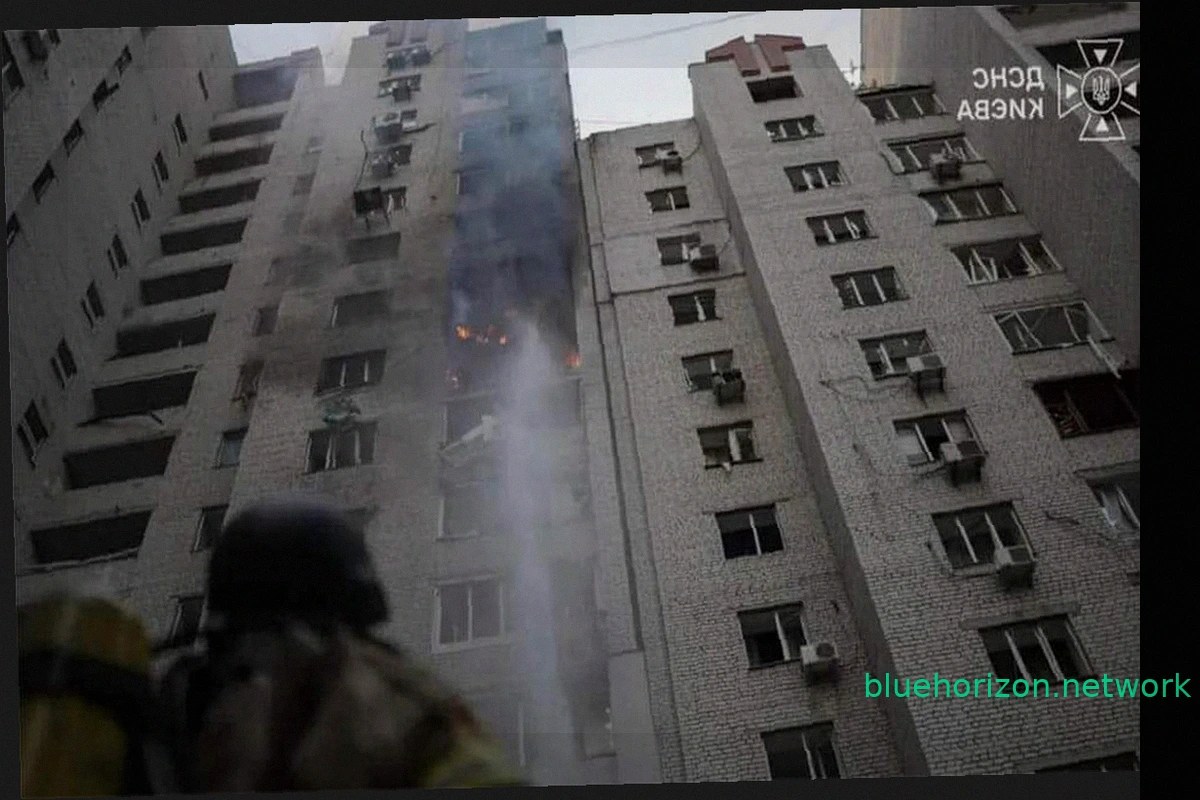
Russian Missiles Strike Infrastructure of 1337x, Second Largest Torrent Tracker, Hitting Piracy
Russian missile attacks have damaged infrastructure belonging to popular torrent trackers like 1337x. Between September 23 and 27, 2026, Russia conducted strikes targeting data centers and communication facilities in Kyiv. These attacks temporarily disrupted internet access for approximately 1
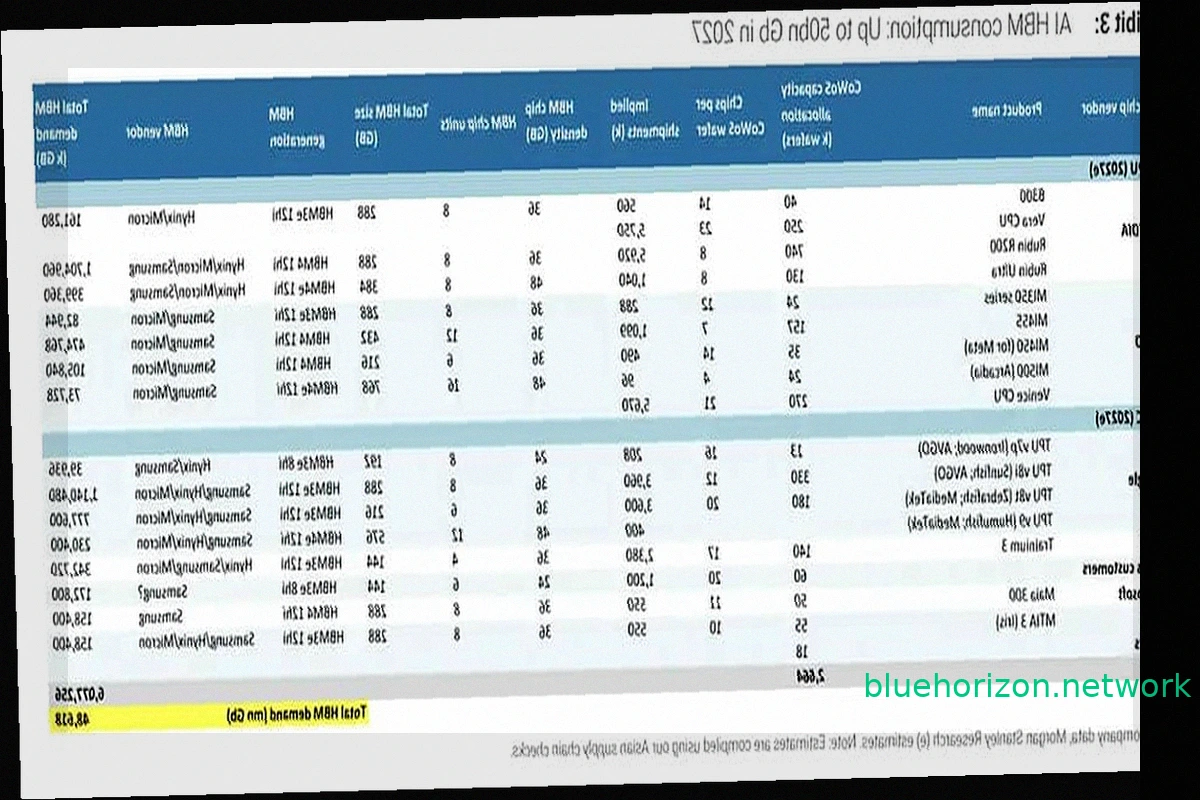
NVIDIA, Google, and AMD Poised to Control 85% of HBM Memory Demand by 2027
The "you'll own nothing and be happy" meme is finding a parallel in hardware, specifically memory. NVIDIA, Google, and AMD are set to command 85.4% of the global High Bandwidth Memory (HBM) demand by 2027, according to Morgan Stanley estimates. These three buyers will largely dictate the pace
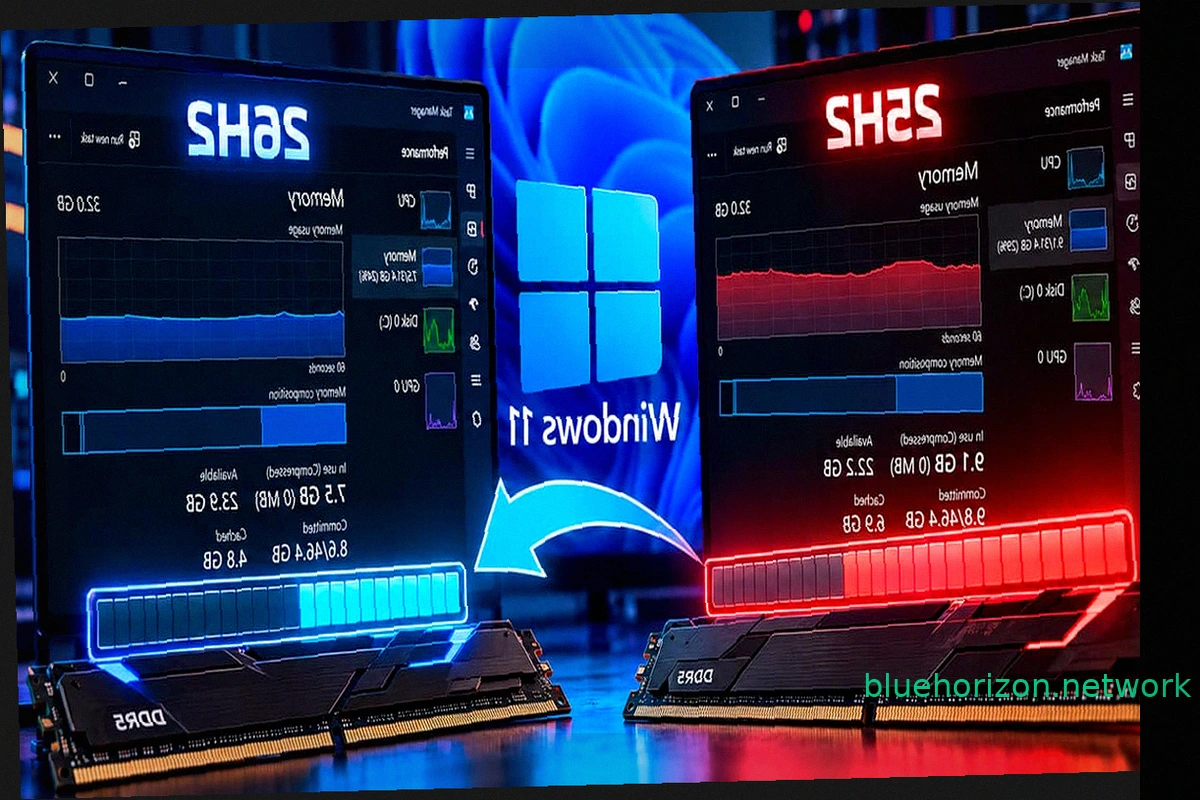
Windows 11 26H2 Reduces RAM Consumption by Up to 2 GB, But 8 GB Machines Still Struggle
Windows 11 26H2 is rolling out optimizations for RAM management. Some users report a noticeable decrease in RAM usage after installing this update, with certain systems showing a reduction of up to 2 GB compared to Windows 11 25H2 upon startup. However, initial findings suggest this improvemen
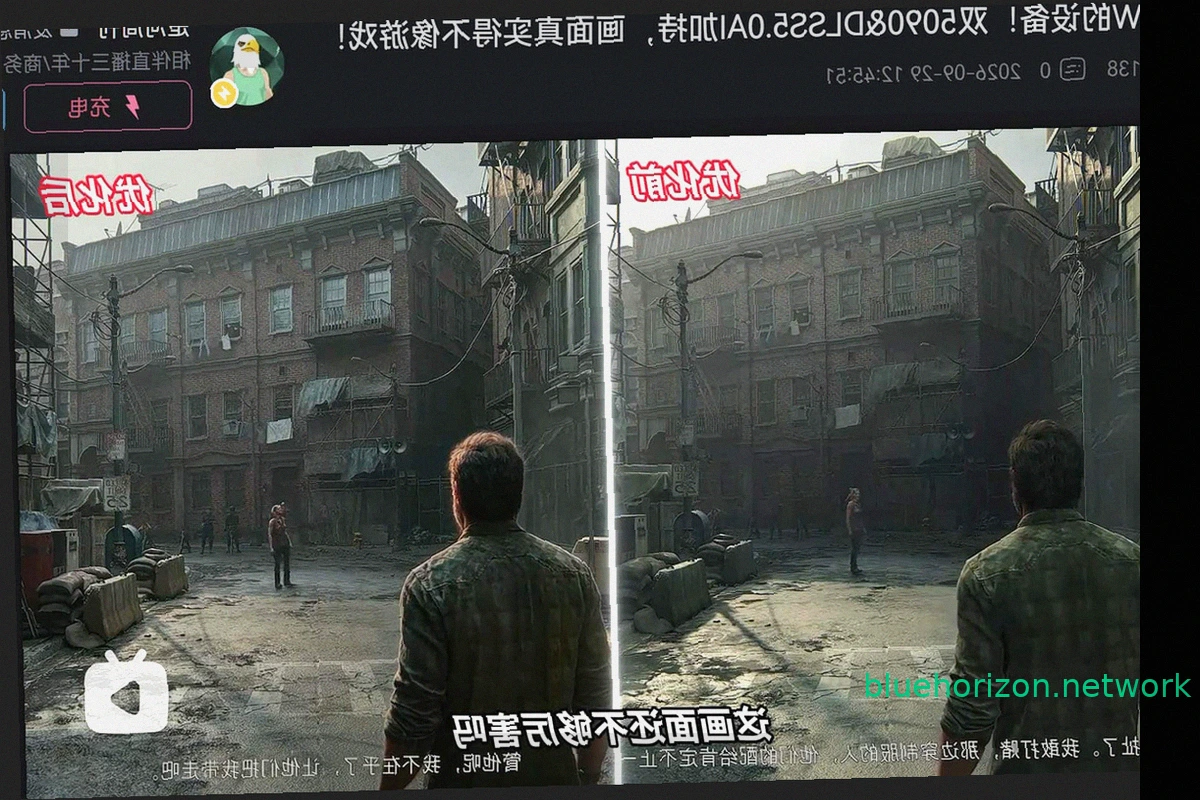
RTX 5090 fails with DLSS 5 after 48 hours for Chinese streamer
NVIDIA's RTX series introduced Tensor Cores, enabling technologies like DLSS. Early DLSS versions offered a noticeable drop in image quality compared to native resolution. DLSS 2 brought significant improvements, and DLSS 3 achieved parity or even superiority over native rendering. DLSS 4 cont