Microsoft Considera Eliminar el Requisito de Cuenta Online Obligatoria en Windows 11 Tras Años de Críticas
Microsoft vuelve a poner en el punto de mira una de las características más controvertidas de Windows 11: la exigencia de iniciar sesión con una cuenta online durante la configuración inicial del sistema operativo. Tras años de quejas de usuarios y profesionales, e incluso con el propio Scott Hanselman, vicepresidente de Microsoft, insinuando el descontento interno, parece que el debate sobre la idoneidad de esta medida está abierto, lo que sugiere una posible reversión de esta política.
Las declaraciones de un ejecutivo de alto nivel como Hanselman son significativas. Que alguien de su posición reconozca públicamente que este requisito genera malestar incluso dentro de la compañía es una señal clara de que la discusión está activa y que las amplias críticas han impulsado una reconsideración.
Microsoft abre la puerta a eliminar la cuenta online obligatoria de Windows 11
Es crucial entender el contexto: esta obligación no se implementó por razones técnicas, sino estratégicas. Microsoft buscaba integrar a los usuarios en su ecosistema desde el primer momento, vinculando el sistema operativo a servicios como OneDrive, Microsoft 365 y la sincronización de ajustes en la nube. Esto le permite ofrecer una experiencia más cohesionada, pero también asegurar retención de usuarios, recolección de datos y un mayor potencial de monetización desde el primer arranque.
Sin embargo, esta estrategia ha chocado directamente con una parte importante de la base de usuarios que valora la privacidad y prefiere un entorno menos intrusivo, optando por una cuenta local tradicional. La gradual desaparición de la opción de cuenta local en el proceso de instalación —hasta el punto de quedar oculta o directamente bloqueada en configuraciones estándar— ha generado un rechazo constante desde el lanzamiento de Windows 11.
Giro estratégico impulsado por el malestar de usuarios, el mercado y la presión de la competencia
Actualmente, evitar la creación de una cuenta online es posible, pero requiere métodos alternativos y complejos, como desconectar internet en momentos clave o usar comandos específicos, lo que claramente no está pensado para el usuario promedio. Esto subraya que la limitación no es técnica, sino una decisión intencionada de Microsoft.
Por lo tanto, cualquier cambio en esta política no sería un ajuste menor, sino un giro estratégico importante. Si Microsoft finalmente permite crear una cuenta local sin trabas durante la instalación, estaría reconociendo implícitamente que ha forzado demasiado la máquina en estos años. Las presiones del mercado, incluidas las ventas de PC y portátiles, el empuje de plataformas como SteamOS y Apple, y la influencia de socios fabricantes, podrían estar impulsando esta reconsideración en Redmond.
A pesar de estas señales prometedoras, es crucial mantener las expectativas bajo control. No hay confirmación oficial ni fechas concretas, y es probable que existan intereses dentro de Microsoft para mantener el modelo actual. Si se produce un cambio, podría ser gradual, quizás ofreciendo más opciones sin eliminar por completo la preferencia por la cuenta online.
La cuestión es sencilla: ¿estamos ante un cambio real y significativo o simplemente ante un intento de calmar las críticas sin tocar lo fundamental? Ahí es donde estará la clave en los próximos meses, pero si logran eliminar la cuenta online obligatoria en Windows 11, estaremos ante una confirmación de un cambio de tendencia en la estrategia de Microsoft.
Microsoft Considers Eliminating Mandatory Online Account for Windows 11 After Years of Criticism
Microsoft is once again addressing one of Windows 11's most controversial features: the mandatory online account login during the initial setup of its operating system. After years of complaints from users and professionals, and even with Scott Hanselman, Microsoft's Vice President, hinting at internal discontent, it appears the debate over the suitability of this measure is now open, suggesting a possible reversal of this policy.
Statements from a high-level executive like Hanselman are significant. For someone in his position to publicly acknowledge that this requirement causes discomfort even within the company is a clear sign that the discussion is active and that widespread criticism has prompted a reconsideration.
Microsoft Opens the Door to Removing Mandatory Online Accounts from Windows 11
It's crucial to understand the context: this requirement wasn't implemented for technical reasons, but strategic ones. Microsoft sought to integrate users into its ecosystem from the outset, linking the operating system to services like OneDrive, Microsoft 365, and cloud sync settings. This allows it to offer a more cohesive experience, but also ensures user retention, data collection, and greater monetization potential from the first boot.
However, this strategy has directly clashed with a significant portion of the user base that values privacy and prefers a less intrusive environment, opting for a traditional local account. The gradual disappearance of the local account option during the installation process —to the point of being hidden or directly blocked in standard configurations— has generated constant rejection since Windows 11's launch.
Strategic Shift Driven by User Discontent, Market Pressures, and Competition
Currently, avoiding the creation of an online account is possible but requires alternative and complex methods, such as disconnecting from the internet at key moments or using specific commands, which is clearly not designed for the average user. This highlights that the limitation isn't technical but an intentional decision by Microsoft.
Therefore, any change in this policy would not be a minor adjustment but a significant strategic pivot. If Microsoft ultimately allows creating a local account without hurdles during installation, it would implicitly acknowledge that the company might have been too aggressive in recent years. Market pressures, including PC and laptop sales, the rise of platforms like SteamOS and Apple, and the influence of manufacturing partners, could be driving this reconsideration in Redmond.
Despite these promising signs, it's crucial to temper expectations. There's no official confirmation or specific timeline, and it's likely that interests within Microsoft exist to maintain the current model. If a change occurs, it might be gradual, perhaps offering more options without entirely eliminating the preference for an online account.
The question is simple: are we facing a real and significant change, or simply an attempt to appease critics without altering the fundamental aspect? That will be the key in the coming months, but if they succeed in eliminating the mandatory online account in Windows 11, it will be a confirmation of a shift in Microsoft's strategy.
Fresh materials — Technology News

GTA VI: PlayStation 5 Firmware Update May Force Jailbreak Loss
Grand Theft Auto VI (GTA VI) is poised to create a dilemma for PlayStation 5 owners who wish to maintain their consoles with jailbreak-compatible firmware. According to data surfaced from the PlayStation Store backend by PlayStation Game Size, GTA VI will mandate at least PS5 firmware version

NVIDIA TITAN XP and GTX 1000 Series Achieve Windows XP Compatibility with Unofficial Forceware 382.69 Drivers
While modern PC components like RTX 50 graphics cards, Ryzen X3D CPUs, and high-speed RAM drive up costs, older hardware offers a budget-friendly alternative. A peculiar development now brings a degree of compatibility between older GPUs and Windows XP: the GTX 1000 series, including the TITAN

Google Wins AI Overviews Legal Battle Against Publishers
Google secured a significant court victory in the United States against publishers accusing the company of using their content to power AI Overviews. The core of the lawsuits was that these AI-generated summaries reduce website traffic. Federal Judge Amit P. Mehta of the District Court of Colu

Germany Launches Gaming-Focused Electricity Tariff with Consumption Rewards
German energy provider SWK Energie has introduced an unusual market segment for electricity: gamers. The company is promoting "meinGAMING," an electricity tariff designed for households with high energy consumption, specifically targeting gamers with powerful computers, streamers, and users wit

RuneScape 4 Announced: A New MMORPG Built on Unreal Engine
Jagex revealed RuneScape 4 (RS4) at RuneFest 2026. This new MMORPG, currently a working title, will be the fourth generation in the RuneScape franchise. The significant technological shift for this installment is its development on the Unreal Engine. While the specific version isn't confirmed, it
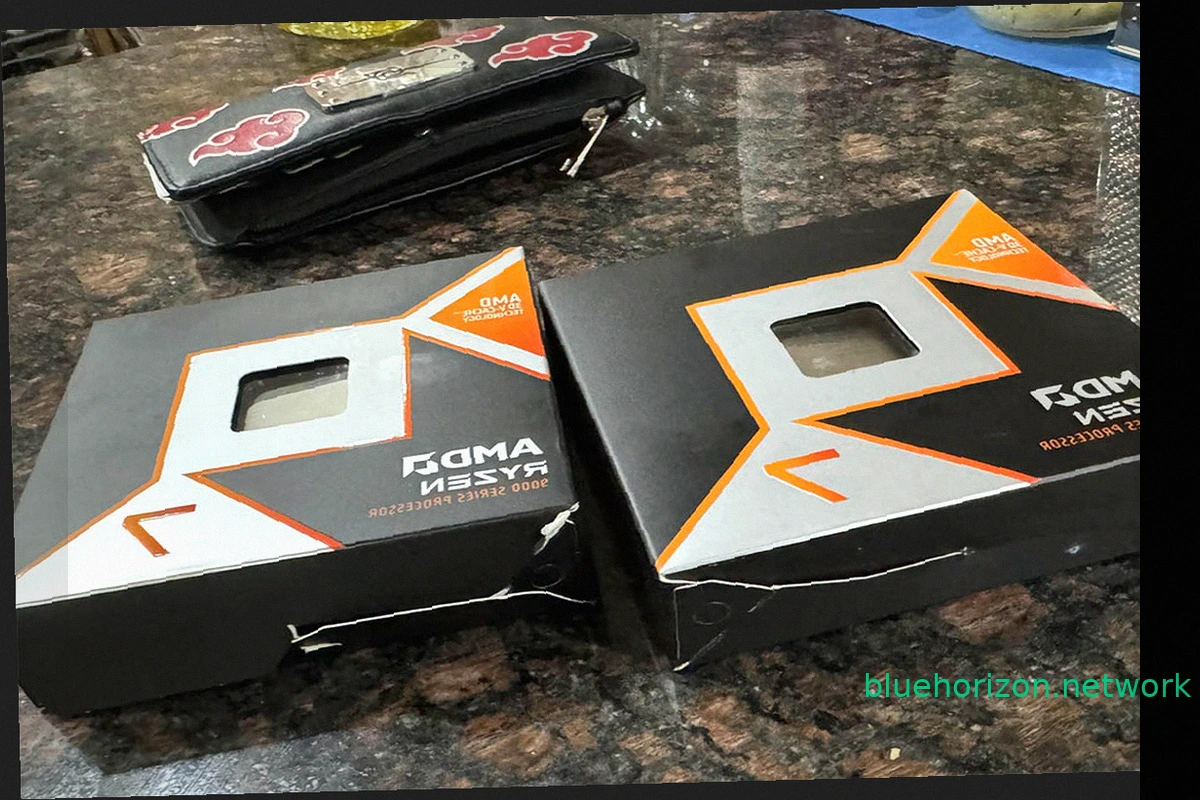
Ryzen 9850X3D Order Mix-Up: User Receives Intel Core i3-3220s Instead
AMD's gaming dominance, solidified by the Ryzen 7 7800X3D and its successor the 9800X3D, left Intel without comparable options. The subsequent release of the slightly faster Ryzen 9850X3D further cemented this lead. These processors are highly sought after by gamers. However, a recent Amazon o