Microsoft Halts Forced Auto-Installation of Microsoft 365 Copilot in Windows 11
Microsoft is reversing its strategy of forced AI integration in Windows 11, announcing that it will no longer compel the automatic installation of the Microsoft 365 Copilot application. This move follows recent indications that the company aims to offer users greater control over their operating system, rather than prioritizing the intrusive implementation of its AI. It appears Microsoft has recognized the growing user dissatisfaction, a situation that is not beneficial, especially as alternatives like Linux gain traction, even among the gaming community.
Previously, Microsoft had been silently forcing the installation of the Microsoft 365 Copilot app on eligible Windows 11 devices utilizing Microsoft 365 Apps. This version of Copilot is specifically linked to Microsoft's productivity ecosystem, including Word, Excel, and PowerPoint. Official documentation stated that the app should automatically appear in the Start Menu, serving as a new access point for Copilot functionalities within Microsoft 365. This practice had generated numerous complaints and clear user fatigue.
Microsoft Temporarily Stops Automatic Installation of Microsoft 365 Copilot in Windows 11
Microsoft has responded by "temporarily disabling" the automatic installation of Microsoft 365 Copilot on Windows 11. This decision, communicated via the Microsoft 365 Message Center, means that existing installations will remain untouched, but the planned automatic expansion has been paused indefinitely. While Microsoft has not provided an official reason, it is widely accepted that this halt is a direct response to the rejection expressed by users and administrators.
It's noteworthy that users in the European Economic Area were less affected by this imposition, as European law mandated that the application could only be installed via the Microsoft Store, CDN, or manual deployment in this region. Elsewhere, automatic installation required specific versions of Microsoft 365 Apps and particular update channels, meaning that while it wasn't a universal invasion, it represented an aggressive change in eligible commercial environments outside Europe.
Furthermore, Microsoft had anticipated resistance from the outset, providing an option for administrators to block this behavior through the Microsoft 365 Apps Admin Center. This suggests the company was aware of potential pushback. The current pause indicates that this resistance has been strong enough to force a strategic withdrawal, which will also impact any planned rollout for home users.
Microsoft Reduces Other Copilot Integrations in Windows 11 Amid User Discontent
This action aligns with other reductions in Copilot integrations that Microsoft had proposed for Windows 11, such as its presence in notifications, Settings, or File Explorer. Many users already perceived Copilot's AI as "junk software" or bloatware on their compatible Windows 11 PCs.
While there's no official confirmation directly linking the Microsoft 365 Copilot pause to the controversy, it fits a broader trend: Microsoft remains committed to AI, but appears to be adjusting the tone and aggressiveness with which it integrates it into Windows 11.
In practice, this news does not imply the abandonment of Microsoft 365 Copilot; the application will still be available. However, users will now have to choose to install it voluntarily. Microsoft will seek to incentivize its use through its AI-driven productivity benefits but will need to resort to promotional and advertising methods instead of forced installation, thus bearing the reputational cost. The company has opted to halt and re-evaluate its strategy.
Fresh materials — Technology News

Google Pixel Devices Hit by Nightmare Bug: September Update Locks Out Some Users
Updating your phone should be a simple process: install, restart, and continue. But imagine completing the update, entering your usual unlock pattern, and the phone not even letting you finish it. Your photos and messages remain, but you're locked out. This is the predicament some Google Pixel
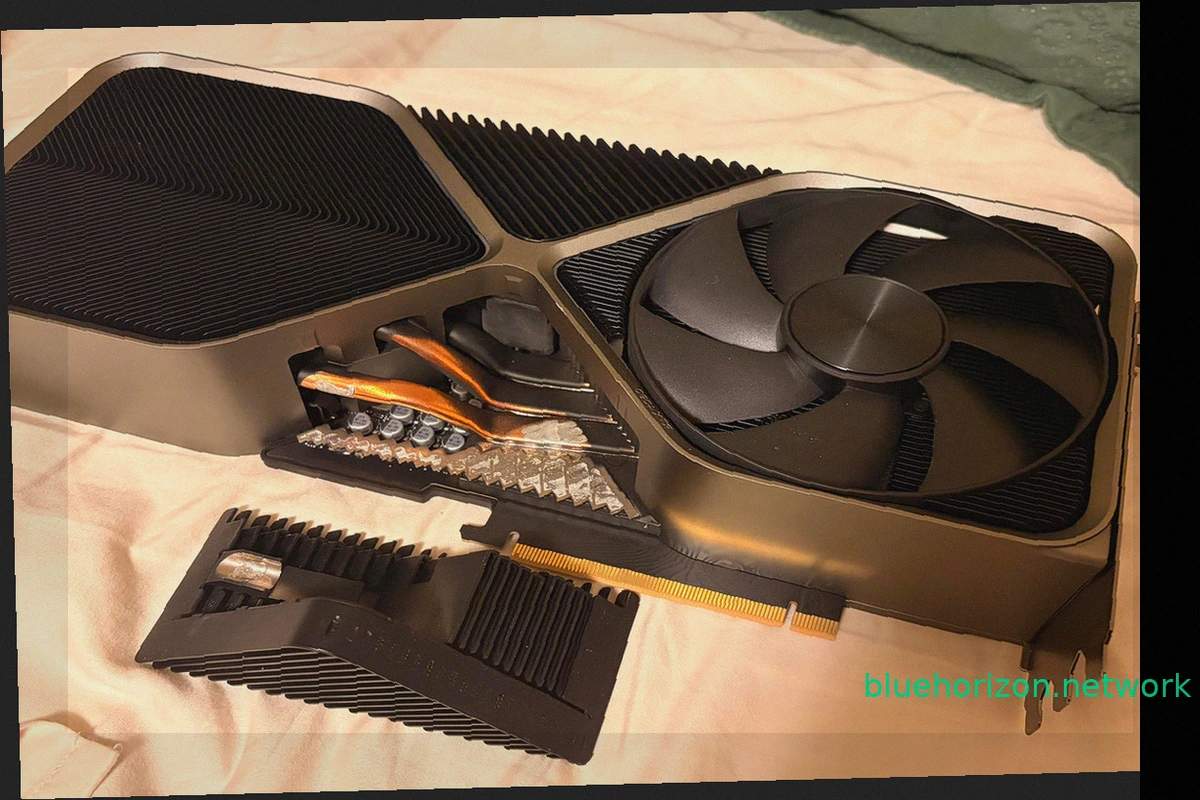
NVIDIA GeForce RTX 4090 Founders Edition Loses Part of Its Heatsink After Three Years
A NVIDIA GeForce RTX 4090 Founders Edition has presented an unusual problem, not with its power connector, but with its heatsink. This incident is unique, as a portion of the graphics card's massive heatsink literally detached while its owner was moving the computer. This wasn't a decorative c

Russian Missiles Strike Infrastructure of 1337x, Second Largest Torrent Tracker, Hitting Piracy
Russian missile attacks have damaged infrastructure belonging to popular torrent trackers like 1337x. Between September 23 and 27, 2026, Russia conducted strikes targeting data centers and communication facilities in Kyiv. These attacks temporarily disrupted internet access for approximately 1
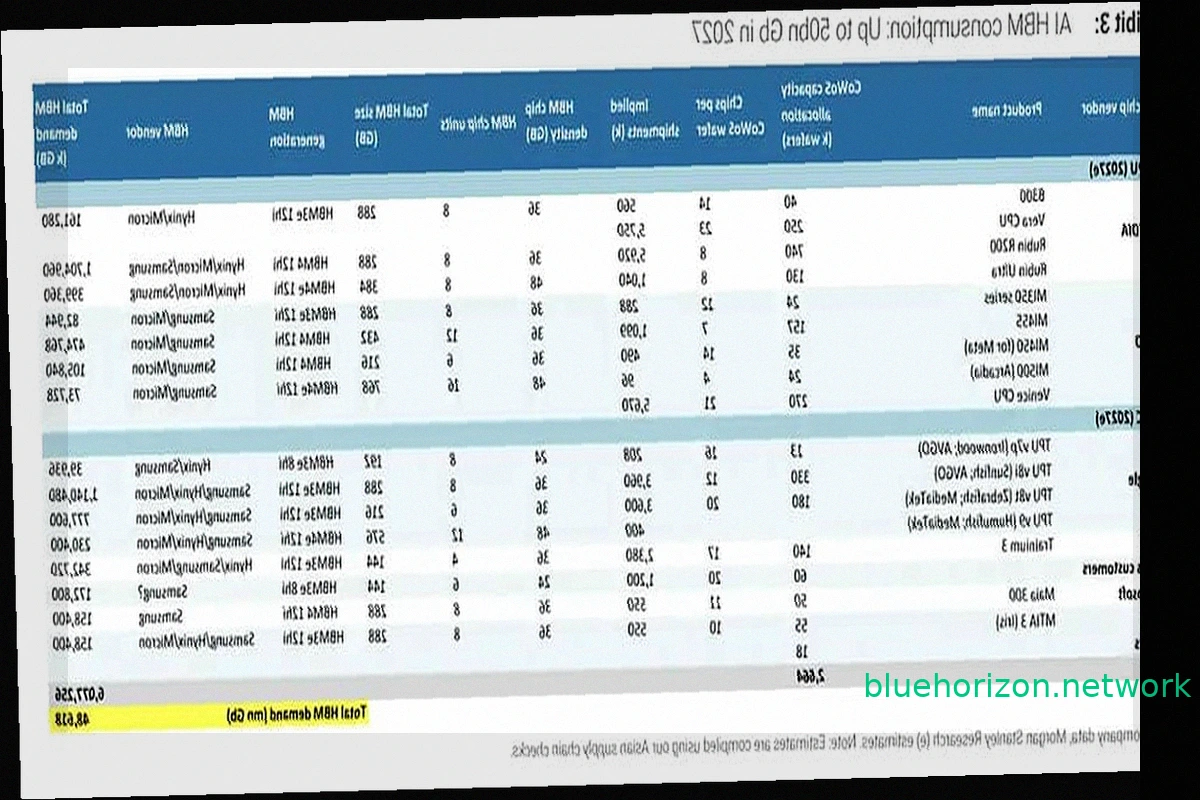
NVIDIA, Google, and AMD Poised to Control 85% of HBM Memory Demand by 2027
The "you'll own nothing and be happy" meme is finding a parallel in hardware, specifically memory. NVIDIA, Google, and AMD are set to command 85.4% of the global High Bandwidth Memory (HBM) demand by 2027, according to Morgan Stanley estimates. These three buyers will largely dictate the pace
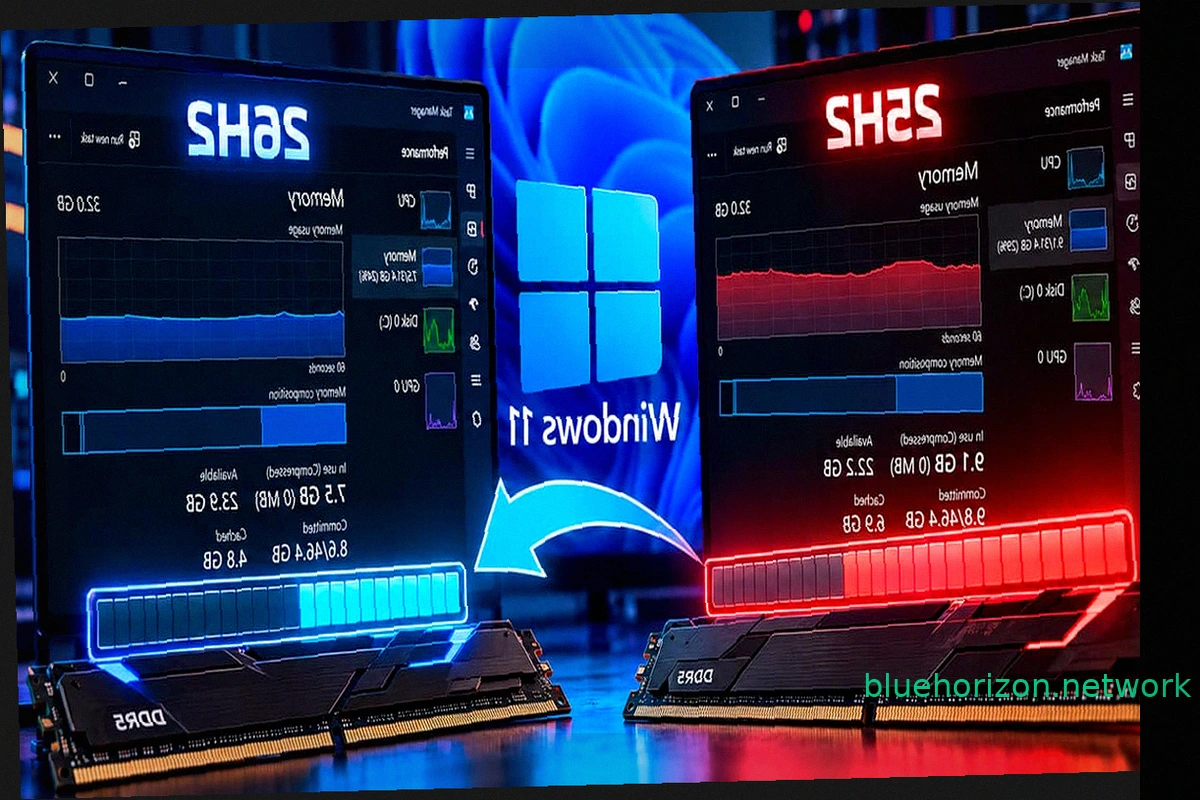
Windows 11 26H2 Reduces RAM Consumption by Up to 2 GB, But 8 GB Machines Still Struggle
Windows 11 26H2 is rolling out optimizations for RAM management. Some users report a noticeable decrease in RAM usage after installing this update, with certain systems showing a reduction of up to 2 GB compared to Windows 11 25H2 upon startup. However, initial findings suggest this improvemen

RTX 5090 fails with DLSS 5 after 48 hours for Chinese streamer
NVIDIA's RTX series introduced Tensor Cores, enabling technologies like DLSS. Early DLSS versions offered a noticeable drop in image quality compared to native resolution. DLSS 2 brought significant improvements, and DLSS 3 achieved parity or even superiority over native rendering. DLSS 4 cont