Neuralink Achieves the Unthinkable: Quadriplegic Person Plays World Of Warcraft Again
Brain-computer interfaces (BCIs) are moving beyond the laboratory into real-world applications, exemplified by Neuralink's N1 implant. This technology is now enabling a person with paralysis to interact with a computer, even playing World of Warcraft normally. A participant, experiencing near-total paralysis, reported daily usage for 100 days, performing real tasks, achieving full integration with an operating system, and a remarkably fast learning curve.
This achievement stems from the testimony of Jon L. Noble, a participant in Neuralink's clinical trials. Noble documented his journey from surgery to current use, prompting a significant question: are we witnessing the first functional and sustained instance of complete thought-controlled PC gaming?
Neuralink Achieves the Unthinkable: A Man with Paralysis Can Play WoW Again
Typically, I would summarize Jon L. Noble's statements, but his post on X (formerly Twitter) offers a far more realistic and inspiring perspective for anyone in a similar situation, whether personally, through family, or a friend. Therefore, it's best to read his full account as he wrote it:
“It's hard to believe it's already been 100 days since I received my Neuralink N1 implant. Looking back, the entire process feels like science fiction that has somehow become my daily reality.
Surgery on Day 0 was surprisingly straightforward. A quick general anesthetic, a small incision, and the robotic system did the rest, precisely placing the 1,024 ultra-fine threads into my motor cortex. I woke up alert and in good spirits and returned home the following afternoon. By Day 3, I was feeling much better, and by Day 7, the small scar was already starting to fade. Recovery was truly minimal; I felt clearer and more positive than I had in years once the BCI was activated.
The really interesting part began in Week 2 when we paired the implant with my new Apple MacBook – my first Mac. Neuralink engineers guided me through calibration sessions, and within minutes, I was moving the cursor just by thinking. At first, it was like trying to recall a dream, but by Week 3, it felt natural. Scrolling, clicking, typing – all controlled with my mind."
"By Day 80, I was ready for something more serious. That's when I launched World of Warcraft for the first time using only mind control. The first raid was clumsy, but as soon as my brain and the BCI synchronized, it was pure magic. Now I'm raiding and exploring Azeroth hands-free, at full speed. No mouse, no keyboard, just intention. It's truly incredible. The freedom is addictive.
The social media aspect has also been surprising. Every update I've shared has been met with genuine enthusiasm rather than skepticism. Thousands of messages from people with disabilities, gamers, students, and scientists, all asking real questions about the technology and what it could mean for the future. The positivity has been overwhelming and incredibly motivating.
100 days later, and I can't imagine my life without it. The N1 didn't just give me a new way to use a computer; it gave me a new way to live. I'm excited to see what the next 100 days will bring. Thank you all so much for your support, and I'll keep you updated as we continue this journey together."
This Technology Will Allow Individuals with Serious Health Challenges to Lead a 'Slightly More Normal' Life
Beyond the emotional impact, several technical details are noteworthy: the implant uses 1,024 threads inserted into the motor cortex, a high-precision robotic surgery, and a calibration process that enables fluent control of an entire PC within weeks. The breakthrough isn't just about moving a cursor, but about executing complex, continuous actions—a historical bottleneck for such interfaces.
Another crucial detail is its integration with a real-world consumer environment like macOS and complex games such as World of Warcraft, known for its demanding array of options. This fundamentally shifts the perspective, transforming it from a controlled experiment into a functional tool for open scenarios with real-world latencies, interfaces, and demands.
While much remains to be clinically validated, including scalability and system durability, what we now observe is far from a distant promise. This is a real, sustained case, beginning to outline a future where paralysis is no longer a total barrier to interacting with technology—specifically World of Warcraft in this instance—thanks to Neuralink. The next question is no longer if it will work, but rather how far it can go. Let's hope it goes very far.
Fresh materials — Technology News

GTA VI: PlayStation 5 Firmware Update May Force Jailbreak Loss
Grand Theft Auto VI (GTA VI) is poised to create a dilemma for PlayStation 5 owners who wish to maintain their consoles with jailbreak-compatible firmware. According to data surfaced from the PlayStation Store backend by PlayStation Game Size, GTA VI will mandate at least PS5 firmware version
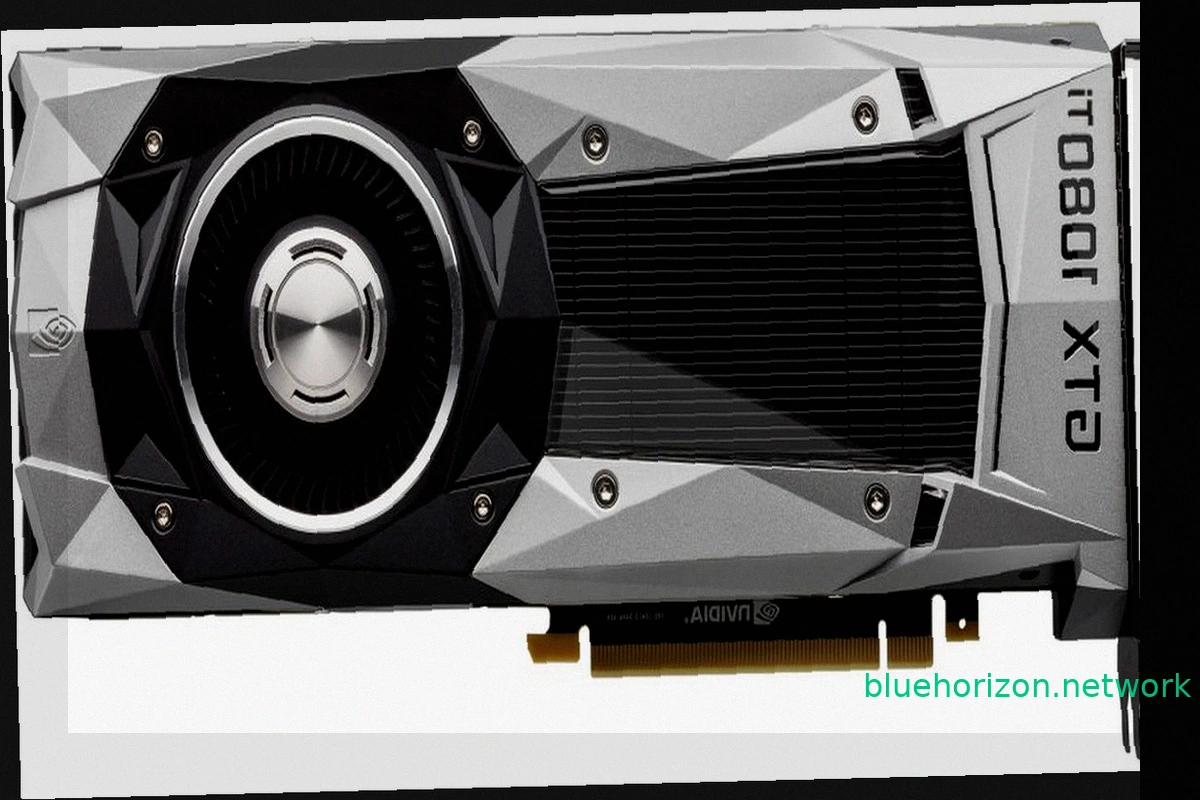
NVIDIA TITAN XP and GTX 1000 Series Achieve Windows XP Compatibility with Unofficial Forceware 382.69 Drivers
While modern PC components like RTX 50 graphics cards, Ryzen X3D CPUs, and high-speed RAM drive up costs, older hardware offers a budget-friendly alternative. A peculiar development now brings a degree of compatibility between older GPUs and Windows XP: the GTX 1000 series, including the TITAN

Google Wins AI Overviews Legal Battle Against Publishers
Google secured a significant court victory in the United States against publishers accusing the company of using their content to power AI Overviews. The core of the lawsuits was that these AI-generated summaries reduce website traffic. Federal Judge Amit P. Mehta of the District Court of Colu
Germany Launches Gaming-Focused Electricity Tariff with Consumption Rewards
German energy provider SWK Energie has introduced an unusual market segment for electricity: gamers. The company is promoting "meinGAMING," an electricity tariff designed for households with high energy consumption, specifically targeting gamers with powerful computers, streamers, and users wit
RuneScape 4 Announced: A New MMORPG Built on Unreal Engine
Jagex revealed RuneScape 4 (RS4) at RuneFest 2026. This new MMORPG, currently a working title, will be the fourth generation in the RuneScape franchise. The significant technological shift for this installment is its development on the Unreal Engine. While the specific version isn't confirmed, it
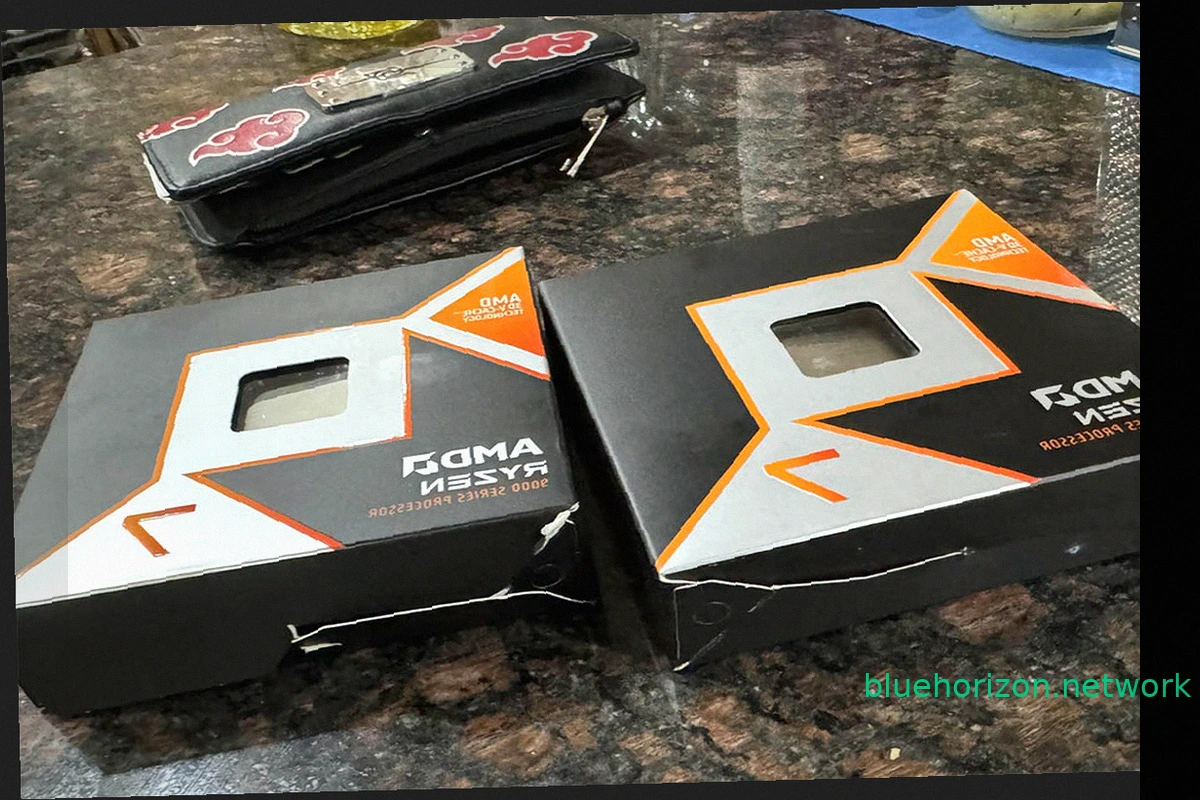
Ryzen 9850X3D Order Mix-Up: User Receives Intel Core i3-3220s Instead
AMD's gaming dominance, solidified by the Ryzen 7 7800X3D and its successor the 9800X3D, left Intel without comparable options. The subsequent release of the slightly faster Ryzen 9850X3D further cemented this lead. These processors are highly sought after by gamers. However, a recent Amazon o