NVIDIA CEO Claims AGI Achieved While DLSS 5 Divides Gaming Community
NVIDIA finds itself navigating two distinct and contrasting fronts, presenting both breakthroughs and points of contention. On one hand, CEO Jensen Huang has openly declared that Artificial Intelligence has surpassed thresholds previously attributed to Artificial General Intelligence (AGI). Simultaneously, the company is working to alleviate tensions surrounding DLSS 5, a SuperSampling-based technology that is currently polarizing the gaming community.
This situation unfolds against the backdrop of DLSS 5, fueling an increasingly complex discussion about the role of AI in gaming. An unspoken question hangs in the air: Is this truly what players and developers desire?
NVIDIA Claims General Artificial Intelligence (AGI) Has Been Achieved

During his appearance on Lex Fridman's Podcast, Huang expressed his conviction that the industry has reached a pivotal moment in Artificial Intelligence. While he clarifies that the scope of this assertion depends on the definition of AGI, his statement was unequivocal:
"We have achieved AGI."
This statement is not presented as an absolute claim but rather as an interpretation based on specific capabilities already evident in current systems. It distances itself from the classical notion of general AI being equivalent to human thought, instead leaning towards a scenario where certain complex tasks can now be automated with a previously unattainable level of proficiency.
If this interpretation aligns with what is understood as AGI, then it's certainly plausible. However, from certain perspectives, many might have expected something more, considerably more, from such an achievement.
The Controversy Continues: DLSS 5 Divides Gamers

The core issue isn't necessarily the final visual outcome, but rather the methodology employed and the broader implications this technology introduces, evoking comparisons to past controversial technologies like PhysX, but potentially worse. No one would object if the reconstruction process occurred directly on the hardware rather than being applied to a 2D frame. This fundamental difference, once understood, is the primary reason DLSS 5 is polarizing players and drawing widespread criticism.
The reaction has been swift, coalescing into a term that aptly summarizes the community's discontent: "content generated without identity, repetitive, artificial."
“I don’t like AI slop. I don’t believe DLSS 5 is AI slop.”
Huang doesn't shy away from the term; he acknowledges it and positions himself against "AI slop," but simultaneously defends DLSS 5, asserting that it does not fall into that category. He insists that the technology doesn't replace creative work but instead expands the toolkit available to developers, with the final outcome still depending on its artistic implementation.
This is precisely where the friction arises and the disagreement with players emerges. While NVIDIA champions AI as an inevitable evolution across all sectors, gaming introduces a distinct variable. Here, not only the final visual result matters, but also the process and the perceived authorship behind each generated image.
The difference isn't technical or hardware-related; it's cultural. It stems from the use of AI on a 2D screenshot for a mere millisecond. This leaves a hard-to-ignore question for every gamer: If the same technology is accepted without resistance in some sectors but generates rejection in others, perhaps the debate isn't about what AI can do, but rather the extent to which we want it to do it. This, precisely, is why DLSS 5 divides players into two very clear camps.
If the identical visual outcome in games were achieved through engine improvements or reconstruction directly from the GPU, without AI involvement (and certainly not from a 2D frame), there would be no complaints whatsoever. This highlights the core of the controversy.
Fresh materials — Technology News
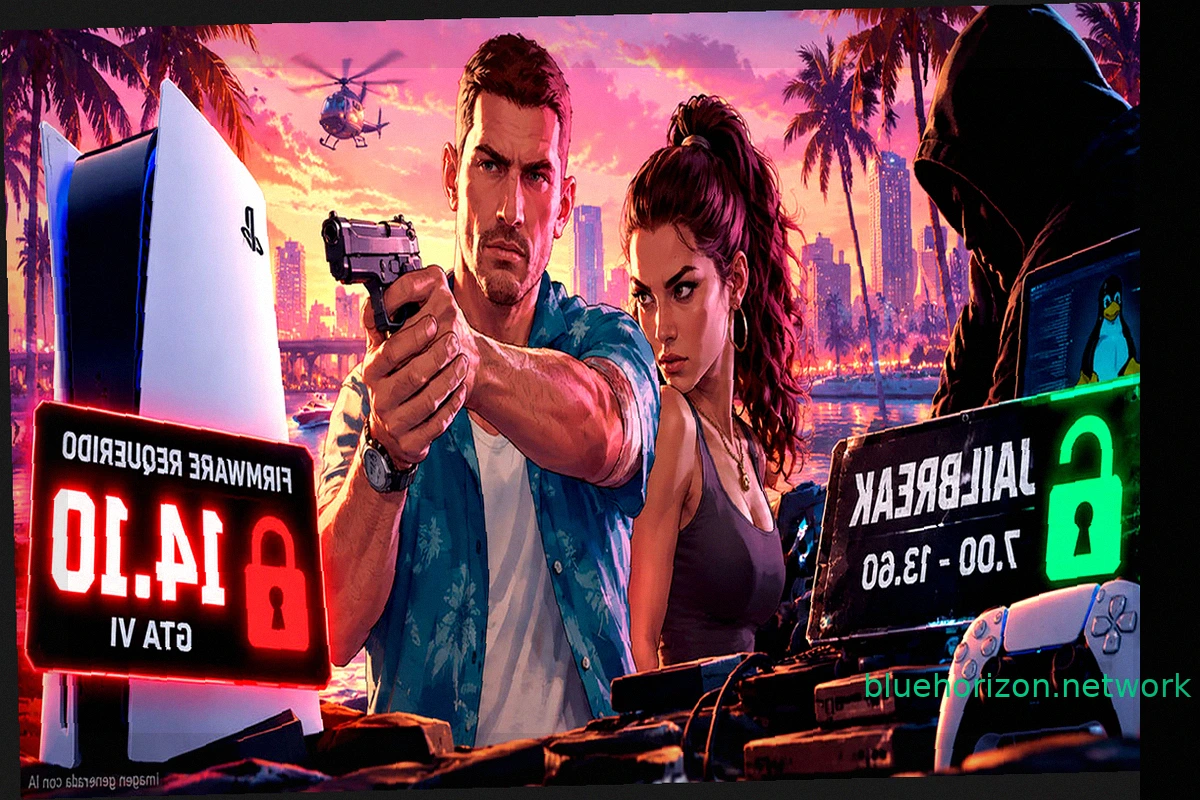
GTA VI: PlayStation 5 Firmware Update May Force Jailbreak Loss
Grand Theft Auto VI (GTA VI) is poised to create a dilemma for PlayStation 5 owners who wish to maintain their consoles with jailbreak-compatible firmware. According to data surfaced from the PlayStation Store backend by PlayStation Game Size, GTA VI will mandate at least PS5 firmware version
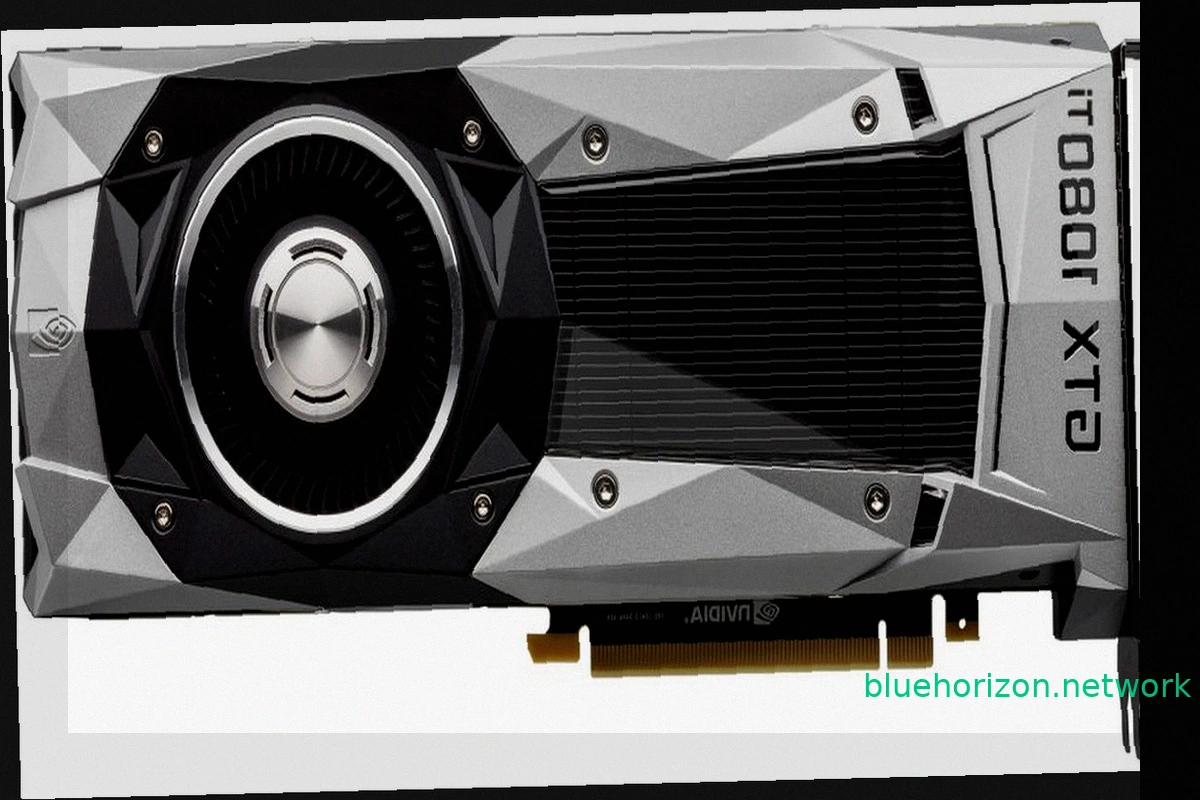
NVIDIA TITAN XP and GTX 1000 Series Achieve Windows XP Compatibility with Unofficial Forceware 382.69 Drivers
While modern PC components like RTX 50 graphics cards, Ryzen X3D CPUs, and high-speed RAM drive up costs, older hardware offers a budget-friendly alternative. A peculiar development now brings a degree of compatibility between older GPUs and Windows XP: the GTX 1000 series, including the TITAN

Google Wins AI Overviews Legal Battle Against Publishers
Google secured a significant court victory in the United States against publishers accusing the company of using their content to power AI Overviews. The core of the lawsuits was that these AI-generated summaries reduce website traffic. Federal Judge Amit P. Mehta of the District Court of Colu

Germany Launches Gaming-Focused Electricity Tariff with Consumption Rewards
German energy provider SWK Energie has introduced an unusual market segment for electricity: gamers. The company is promoting "meinGAMING," an electricity tariff designed for households with high energy consumption, specifically targeting gamers with powerful computers, streamers, and users wit
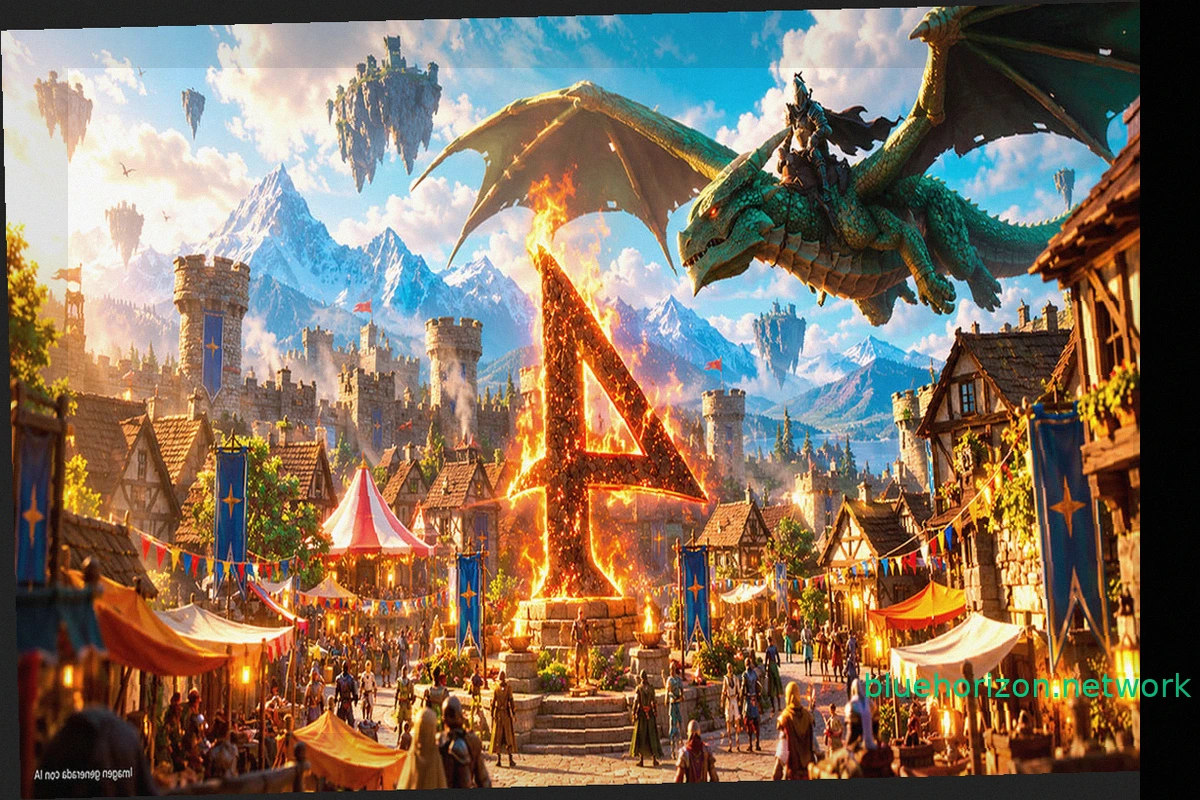
RuneScape 4 Announced: A New MMORPG Built on Unreal Engine
Jagex revealed RuneScape 4 (RS4) at RuneFest 2026. This new MMORPG, currently a working title, will be the fourth generation in the RuneScape franchise. The significant technological shift for this installment is its development on the Unreal Engine. While the specific version isn't confirmed, it
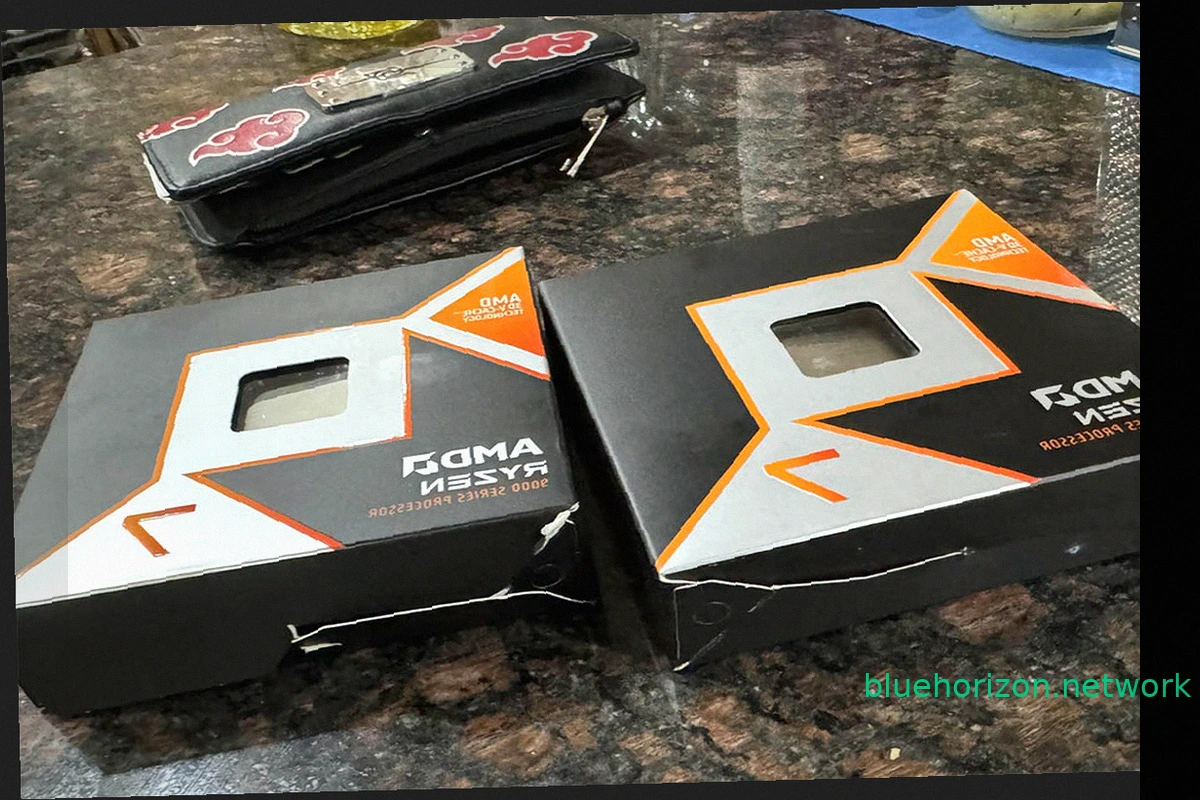
Ryzen 9850X3D Order Mix-Up: User Receives Intel Core i3-3220s Instead
AMD's gaming dominance, solidified by the Ryzen 7 7800X3D and its successor the 9800X3D, left Intel without comparable options. The subsequent release of the slightly faster Ryzen 9850X3D further cemented this lead. These processors are highly sought after by gamers. However, a recent Amazon o