NVIDIA's AI Ambition: Textures Shrink from 6.5GB to 970MB, Materials up to 7.7x Faster in Games
At GTC 2026, NVIDIA unveiled a groundbreaking demonstration poised to revolutionize the future of gaming. Unlike enhancements such as DLSS 5, this technology integrates neural networks directly into the game's rendering pipeline. Its goal is to address two critical issues: the substantial size of textures and the high computational cost of complex materials, leveraging a system known as Neural Texture Compression.
While this technology isn't entirely new, a quick refresher for context: an MLP refers to a small neural network; BCn is the standard family of texture compression on GPUs; Neural Texture Compression is NVIDIA's neural texture compression system; and BRDF is the mathematical function describing how light reflects off a surface. With these terms clarified, let's delve into the details.
NVIDIA Shows Neural Texture Compression Improvements
The key highlight is that NVIDIA demonstrated two specific applications for real-time rendering: Neural Texture Compression and the innovative Neural Materials.
The first segment of the presentation garnered the most attention. NVIDIA showcased a striking comparison: a scene rendered using traditional BCn compression consumed approximately 6.5 GB of VRAM. Remarkably, when Neural Texture Compression was applied, the exact same scene reduced its memory footprint to a mere 970 MB.
This reduction, close to 85%, is astounding, particularly given that textures consume a significant portion of memory in modern games. The core idea is not to store the complete final texture, but rather a compact, latent representation that a small neural network reconstructs in real-time directly on the GPU.
Furthermore, NVIDIA presented another comparison using the same 970 MB memory budget. In this test, BCn compression exhibited noticeable visual artifacts, whereas Neural Texture Compression successfully maintained a higher level of detail and fidelity. The implications for gaming are straightforward: smaller game installations, lighter updates, reduced VRAM pressure, and the potential to implement higher-quality textures without a disproportionate increase in resource consumption.
Neural Materials Put to the Test
The second segment focused on Neural Materials, with equally significant implications. Instead of relying on traditional materials, which accumulate increasingly complex and costly layers, textures, and classical calculations, NVIDIA proposes using a compact neural representation. An example demonstrated how a material with 19 distinct channels was reduced to just 8 channels in its neural version. Impressively, these channels can operate at arbitrary resolutions between 8 and 64 bits.
Regarding performance, the data presented for 1080p, with one sample per pixel and measuring total frame render time in milliseconds, showed a performance improvement between 1.4x and 7.7x. While the range is broad, even the minimum increase is significant, and the upper end dramatically alters the landscape for real-time rendering of complex materials.
A crucial technical clarification for gaming was made: NVIDIA explained that these networks, when evaluating materials or decoding textures, can execute millions of times per frame. Therefore, emphasis is placed on using small, shallow MLPs, integrated directly into Shaders, and optimized to reside on the GPU, leveraging Tensor Cores. This is the foundation of Neural Texture Compression and the management of Neural Materials.
This isn't merely a flashy AI for a promotional trailer; that aspect was already addressed with DLSS 5 and its 2D Frames. What NVIDIA is now aiming for is to offload some of the demanding classical rendering work to tiny neural networks, intending to reduce memory consumption, bandwidth, and overall complexity. Based on what has been demonstrated, it appears that future games could require less VRAM, or developers will have the option to optimize them better by leveraging these innovative technologies.
Fresh materials — Technology News

GTA VI: PlayStation 5 Firmware Update May Force Jailbreak Loss
Grand Theft Auto VI (GTA VI) is poised to create a dilemma for PlayStation 5 owners who wish to maintain their consoles with jailbreak-compatible firmware. According to data surfaced from the PlayStation Store backend by PlayStation Game Size, GTA VI will mandate at least PS5 firmware version
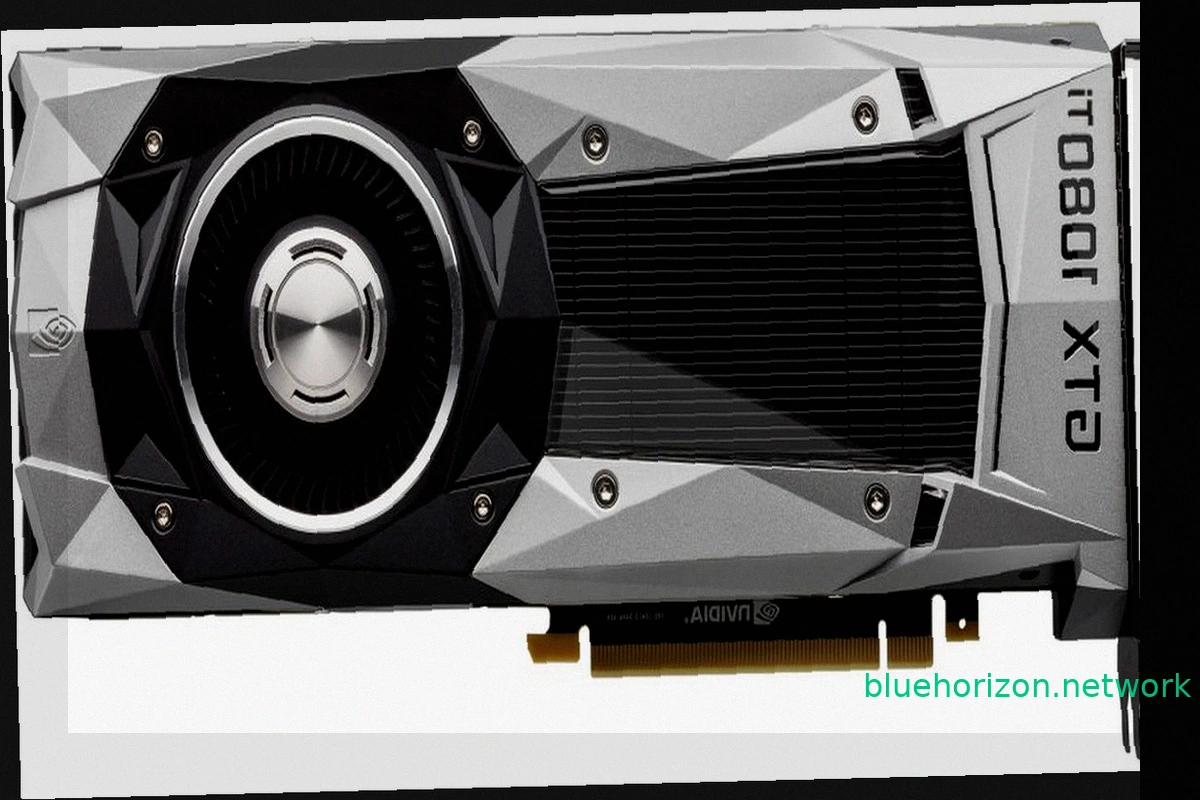
NVIDIA TITAN XP and GTX 1000 Series Achieve Windows XP Compatibility with Unofficial Forceware 382.69 Drivers
While modern PC components like RTX 50 graphics cards, Ryzen X3D CPUs, and high-speed RAM drive up costs, older hardware offers a budget-friendly alternative. A peculiar development now brings a degree of compatibility between older GPUs and Windows XP: the GTX 1000 series, including the TITAN

Google Wins AI Overviews Legal Battle Against Publishers
Google secured a significant court victory in the United States against publishers accusing the company of using their content to power AI Overviews. The core of the lawsuits was that these AI-generated summaries reduce website traffic. Federal Judge Amit P. Mehta of the District Court of Colu

Germany Launches Gaming-Focused Electricity Tariff with Consumption Rewards
German energy provider SWK Energie has introduced an unusual market segment for electricity: gamers. The company is promoting "meinGAMING," an electricity tariff designed for households with high energy consumption, specifically targeting gamers with powerful computers, streamers, and users wit

RuneScape 4 Announced: A New MMORPG Built on Unreal Engine
Jagex revealed RuneScape 4 (RS4) at RuneFest 2026. This new MMORPG, currently a working title, will be the fourth generation in the RuneScape franchise. The significant technological shift for this installment is its development on the Unreal Engine. While the specific version isn't confirmed, it
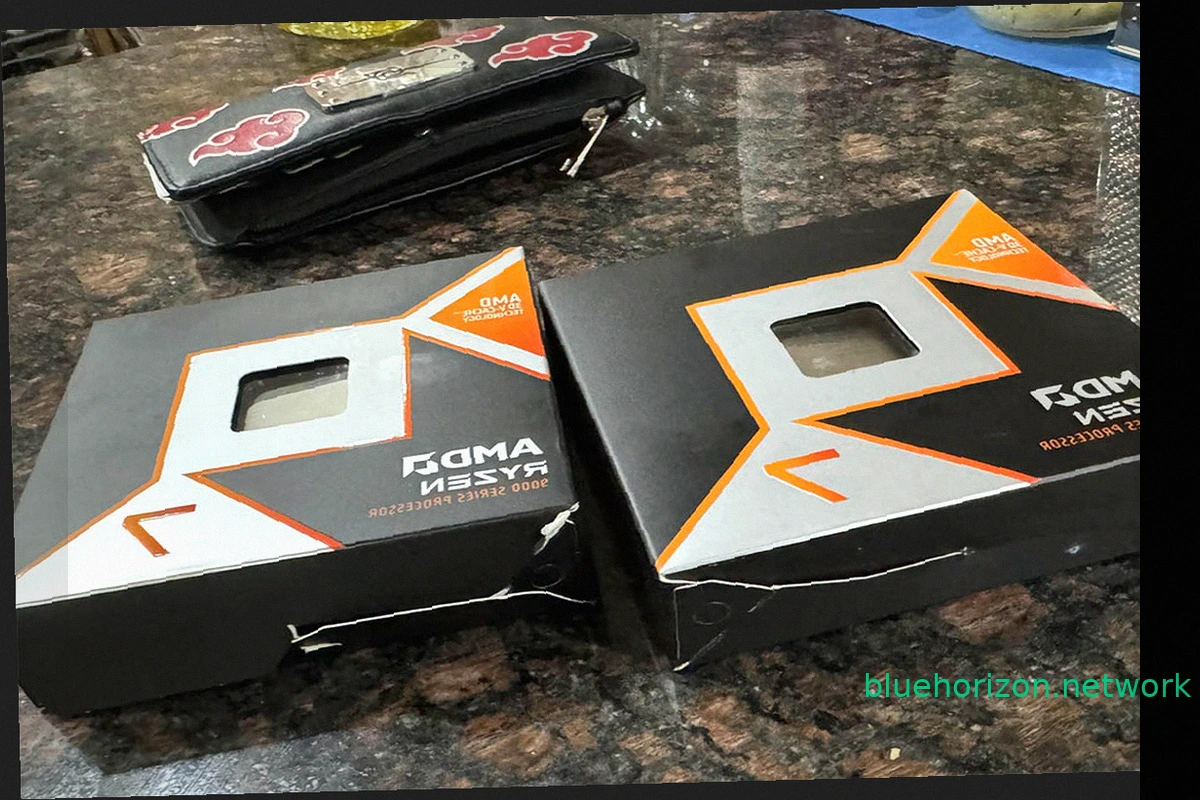
Ryzen 9850X3D Order Mix-Up: User Receives Intel Core i3-3220s Instead
AMD's gaming dominance, solidified by the Ryzen 7 7800X3D and its successor the 9800X3D, left Intel without comparable options. The subsequent release of the slightly faster Ryzen 9850X3D further cemented this lead. These processors are highly sought after by gamers. However, a recent Amazon o