Philips Evnia 32M2N8900X: A 32-inch 4K 240Hz QD-OLED Monitor with Ambiglow Ambient Lighting
Philips recently unveiled its new flagship monitor, the Evnia 32M2N8900X. While its core specifications align closely with many other 32-inch QD-OLED monitors announced lately, Philips differentiates itself by integrating its exclusive Ambiglow ambient lighting system. This proprietary technol
Philips recently unveiled its new flagship monitor, the Evnia 32M2N8900X. While its core specifications align closely with many other 32-inch QD-OLED monitors announced lately, Philips differentiates itself by integrating its exclusive Ambiglow ambient lighting system. This proprietary technology is designed to significantly enhance both gaming and cinematic experiences.
Philips Ambiglow is an intelligent lighting system that utilizes numerous LEDs positioned around the monitor, specifically on three sides (the top and both laterals) in this model. Unlike basic RGB backlighting, Ambiglow is engineered to dynamically extend the colors displayed on screen onto the surrounding wall. This feature offers a heightened sense of immersion, particularly beneficial for gaming or watching movies and series, especially when the monitor is placed near a wall.
Key Specifications of the Philips Evnia 32M2N8900X Gaming Monitor

The Philips Evnia 32M2N8900X monitor is built around a QD-OLED panel, measuring 31.5 inches despite being marketed as 32 inches. This panel delivers a stunning 4K resolution of 3,840 x 2,160 pixels with an ultra-smooth 240 Hz refresh rate. In line with other OLED panels, it boasts an exceptionally low response time of just 0.03 milliseconds (GtG). Display brightness reaches 250 nits for SDR content, 515 nits in HDR at a 10% Average Picture Level (APL), and a peak of up to 1,000 nits at a 3% APL. These visuals are further supported by DisplayHDR True Black 500 and ClearMR 13000 certifications, ensuring sharp images even during high-refresh-rate gaming.
The panel of the Philips Evnia 32M2N8900X supports a 10-bit color depth, features a high contrast ratio of 1,500,000:1, and covers 99.5% of the DCI-P3 color space. As previously mentioned, the monitor's rear incorporates an RGB Q-Stripe lighting strip that powers the Ambiglow technology. Additionally, the panel is protected by a 3H coating, providing scratch resistance and reducing light reflections.
Consistent with current gaming monitors, the Evnia 32M2N8900X includes a range of gaming-centric features such as Smart Crosshair, Smart Sniper, and enhanced shadow visibility. These, combined with the immersive benefits of Philips Ambiglow, make it an appealing choice for both gaming and multimedia entertainment.
Connectivity and Launch Details

Regarding connectivity, the Philips Evnia 32M2N8900X offers a robust selection of ports. It features three video inputs: one DisplayPort 2.1 and two HDMI 2.1 ports. Also included are a USB-C port with 15W power delivery and video output, another USB-C port with 65W fast charging, and two USB-A ports. These USB ports boast KVM functionality, allowing users to connect a single keyboard and mouse to control up to two computers connected to the same monitor.
The monitor is equipped with a pair of 5W speakers featuring DTS Sound technology. Its ergonomic stand offers comprehensive adjustability, enabling users to adjust height, tilt, swivel, and pivot. On the software side, the Ambiglow lighting system is compatible with Windows Dynamic Lighting. For navigation, an integrated joystick simplifies interaction with the monitor's menu. A minor point of consideration compared to some alternatives is the absence of a remote control.
The Philips Evnia 32M2N8900X has first been showcased in China. However, information regarding its global release date and pricing remains unconfirmed. For reference, the 32M2N8900 (a non-X variant) is currently priced at €749, with the main distinction being a USB-C port capable of 90W charging instead of 65W.
Fresh materials — Technology News

GTA VI: PlayStation 5 Firmware Update May Force Jailbreak Loss
Grand Theft Auto VI (GTA VI) is poised to create a dilemma for PlayStation 5 owners who wish to maintain their consoles with jailbreak-compatible firmware. According to data surfaced from the PlayStation Store backend by PlayStation Game Size, GTA VI will mandate at least PS5 firmware version
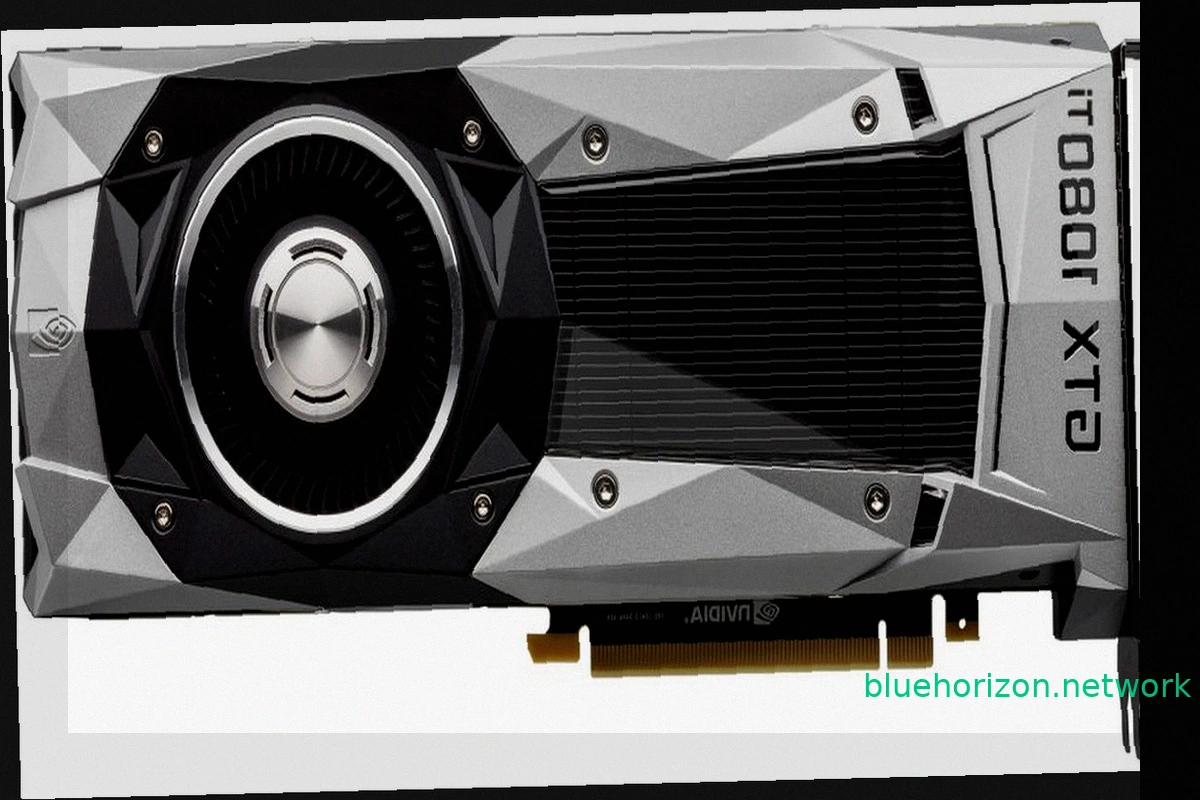
NVIDIA TITAN XP and GTX 1000 Series Achieve Windows XP Compatibility with Unofficial Forceware 382.69 Drivers
While modern PC components like RTX 50 graphics cards, Ryzen X3D CPUs, and high-speed RAM drive up costs, older hardware offers a budget-friendly alternative. A peculiar development now brings a degree of compatibility between older GPUs and Windows XP: the GTX 1000 series, including the TITAN

Google Wins AI Overviews Legal Battle Against Publishers
Google secured a significant court victory in the United States against publishers accusing the company of using their content to power AI Overviews. The core of the lawsuits was that these AI-generated summaries reduce website traffic. Federal Judge Amit P. Mehta of the District Court of Colu
Germany Launches Gaming-Focused Electricity Tariff with Consumption Rewards
German energy provider SWK Energie has introduced an unusual market segment for electricity: gamers. The company is promoting "meinGAMING," an electricity tariff designed for households with high energy consumption, specifically targeting gamers with powerful computers, streamers, and users wit
RuneScape 4 Announced: A New MMORPG Built on Unreal Engine
Jagex revealed RuneScape 4 (RS4) at RuneFest 2026. This new MMORPG, currently a working title, will be the fourth generation in the RuneScape franchise. The significant technological shift for this installment is its development on the Unreal Engine. While the specific version isn't confirmed, it
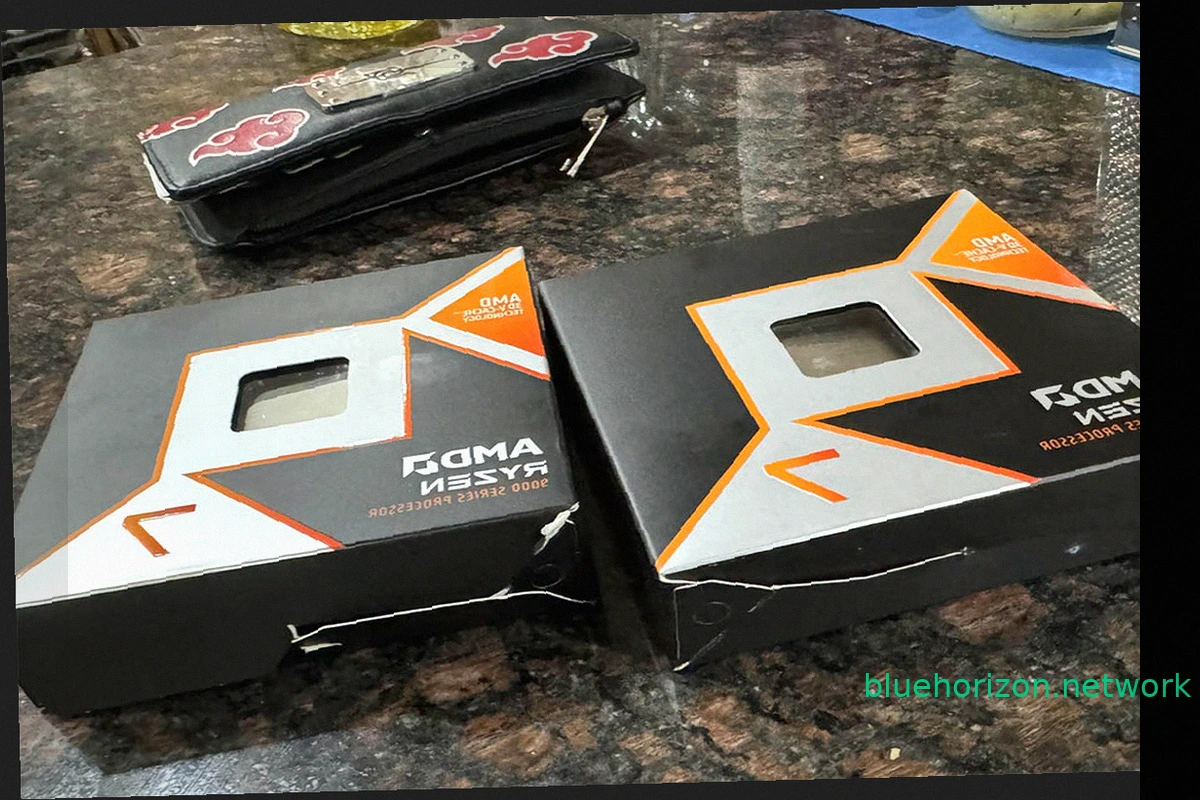
Ryzen 9850X3D Order Mix-Up: User Receives Intel Core i3-3220s Instead
AMD's gaming dominance, solidified by the Ryzen 7 7800X3D and its successor the 9800X3D, left Intel without comparable options. The subsequent release of the slightly faster Ryzen 9850X3D further cemented this lead. These processors are highly sought after by gamers. However, a recent Amazon o