Samsung Galaxy S26 Ultra vs iPhone 17 Pro Max: Drop Test Durability Showdown
High-end smartphones consistently capture significant attention, and it's common for consumers to spend €1,000 or more on these devices. Flagship models from Samsung or Apple, such as the hypothetical iPhone 17 Pro Max, often command prices upwards of €1,500, with costs potentially increasing for versions offering greater storage. A primary concern for owners is the longevity and durability of such an investment, whether it's an iPhone 17 Pro Max or a Samsung Galaxy S26 Ultra. Therefore, a crucial question arises: which of these two premium smartphones would better withstand accidental drops?
The iPhone 17 Pro Max garnered considerable popularity upon its hypothetical release, not only for its more powerful new SoC but also for addressing the overheating issues that reportedly affected its predecessor, the iPhone 16 Pro. Apple achieved these improvements without significantly increasing the device's thickness, showcasing advancements in smartphone cooling technology. In contrast, the Samsung Galaxy S26 Ultra supposedly featured a slight reduction in thickness and incorporated the Snapdragon 8 Elite Gen 5 chip, though its battery capacity remained unchanged.
Galaxy S26 Ultra vs. iPhone 17 Pro Max: Drop Resistance
Over time, smartphones are continually marketed as becoming more durable, often incorporating advanced materials and 'protective shields' designed to withstand drops. However, real-world scenarios frequently reveal these claims to be less robust than promised. For an authentic assessment, tests conducted by channels like PhoneBuff, which deliberately subject devices to impact, are invaluable. In this particular comparison, the Galaxy S26 Ultra features a 'Gorilla Armor 2' front display and 'GG Victus 2' rear protection, encased in an aluminum frame, weighing 214 grams. Its competitor, the iPhone 17 Pro Max, boasts 'Ceramic Shield 2' on the front, 'Ceramic Shield' on the rear, an aluminum chassis, and a weight of 233 grams.
The first drop test immediately revealed damage, with the rear panels of both smartphones cracking, highlighting their vulnerability without a protective case. The Galaxy S26 Ultra fared worse in this instance, as its camera lenses also sustained cracks from the impact, giving the iPhone an early lead. The second drop involved striking a corner; both the Samsung and iPhone showed scratches, but the Apple device incurred a noticeable dent, marking a win for the Galaxy. The third and arguably most critical drop was face-down, often leading to screen breakage. Indeed, both screens cracked, but the iPhone lost further ground as its selfie camera also suffered damage.
Initial Impact Damages Both, iPhone Emerges Slightly Ahead After Six Drops
For the subsequent series of drops, the same methodology was applied, but the drop height was increased from 1 meter to 1.5 meters. The rear drop test at this new height saw the Galaxy S26 Ultra's fingerprint sensor cease functioning, while the iPhone's Face ID remained operational, securing a win for the iPhone. The corner drop test at 1.5 meters resulted in comparable damage for both devices, leading to a tie. Finally, another face-down drop caused further severe damage to the Galaxy, with the iPhone once again performing better. The final tally showed the iPhone with 3 wins, the Galaxy with 2, and 1 tie, indicating that the S26 Ultra ultimately proved less durable than its Apple counterpart. In the video's scoring system, where 0 is the best and 60 is the worst, the iPhone scored 54 points, while the Galaxy scored 56.
Fresh materials — Technology News
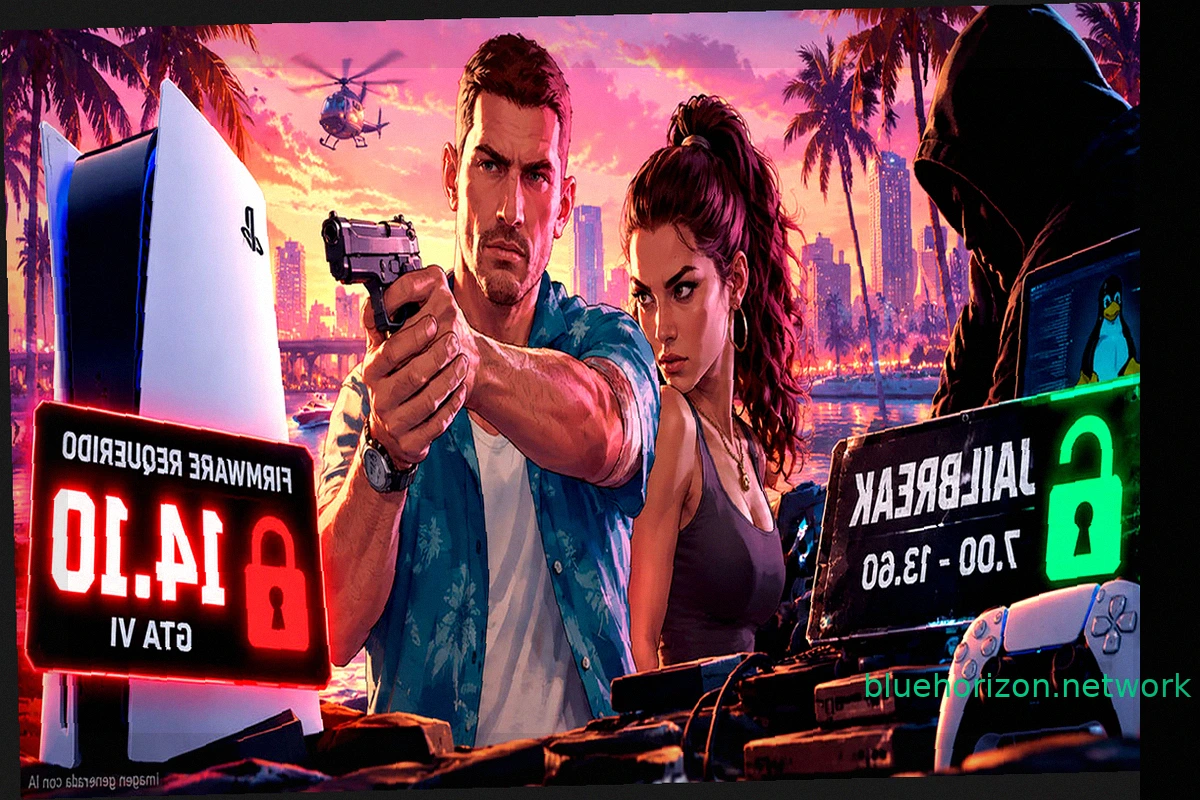
GTA VI: PlayStation 5 Firmware Update May Force Jailbreak Loss
Grand Theft Auto VI (GTA VI) is poised to create a dilemma for PlayStation 5 owners who wish to maintain their consoles with jailbreak-compatible firmware. According to data surfaced from the PlayStation Store backend by PlayStation Game Size, GTA VI will mandate at least PS5 firmware version
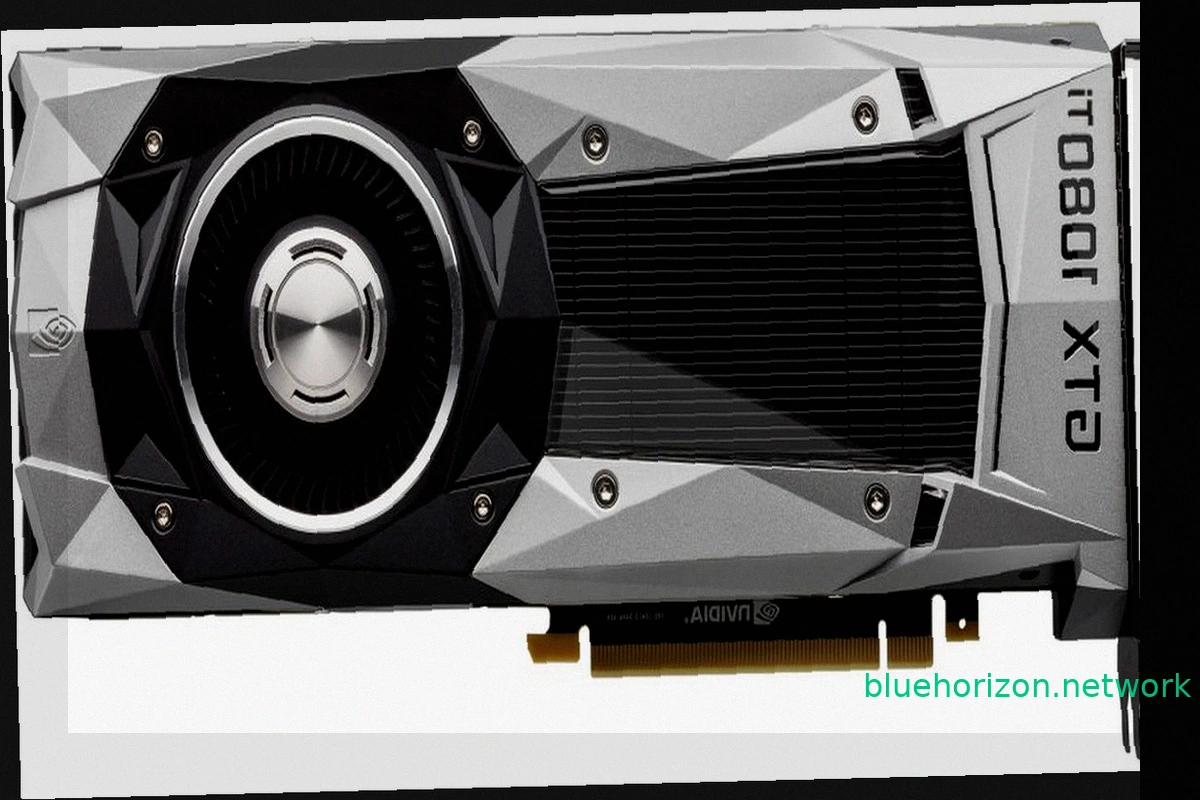
NVIDIA TITAN XP and GTX 1000 Series Achieve Windows XP Compatibility with Unofficial Forceware 382.69 Drivers
While modern PC components like RTX 50 graphics cards, Ryzen X3D CPUs, and high-speed RAM drive up costs, older hardware offers a budget-friendly alternative. A peculiar development now brings a degree of compatibility between older GPUs and Windows XP: the GTX 1000 series, including the TITAN
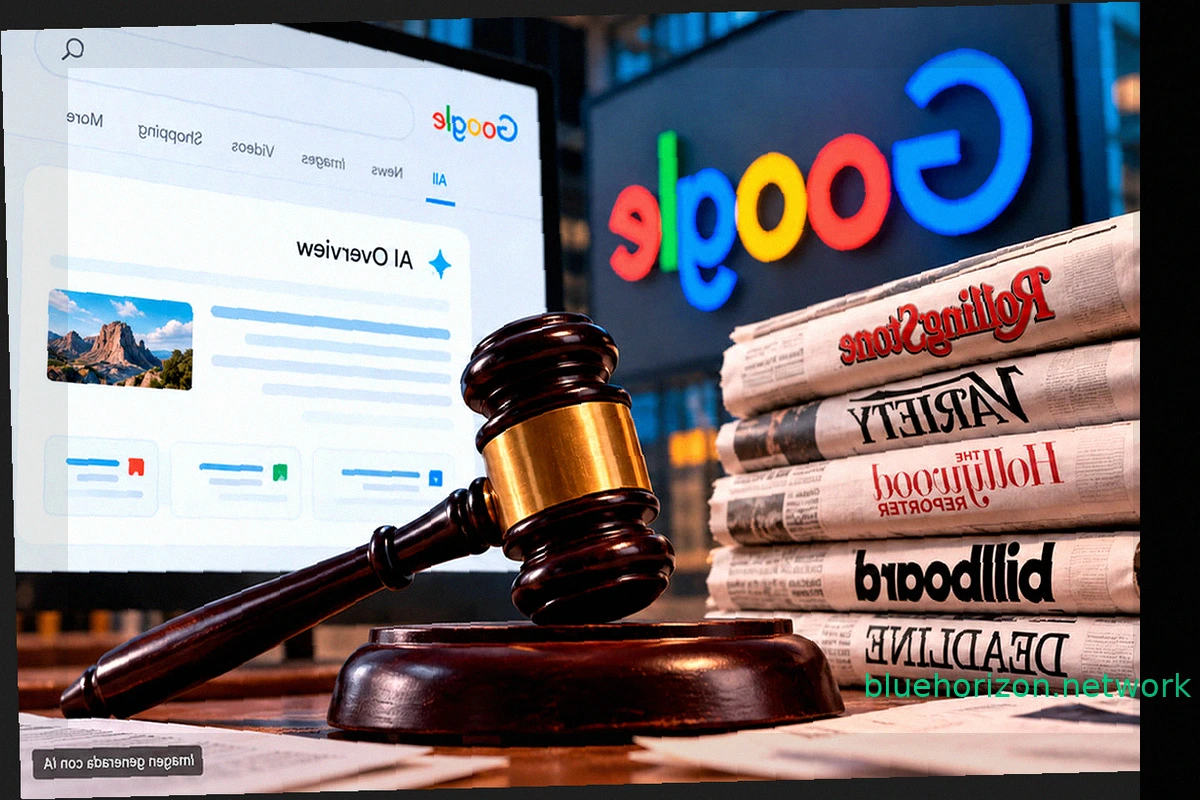
Google Wins AI Overviews Legal Battle Against Publishers
Google secured a significant court victory in the United States against publishers accusing the company of using their content to power AI Overviews. The core of the lawsuits was that these AI-generated summaries reduce website traffic. Federal Judge Amit P. Mehta of the District Court of Colu

Germany Launches Gaming-Focused Electricity Tariff with Consumption Rewards
German energy provider SWK Energie has introduced an unusual market segment for electricity: gamers. The company is promoting "meinGAMING," an electricity tariff designed for households with high energy consumption, specifically targeting gamers with powerful computers, streamers, and users wit
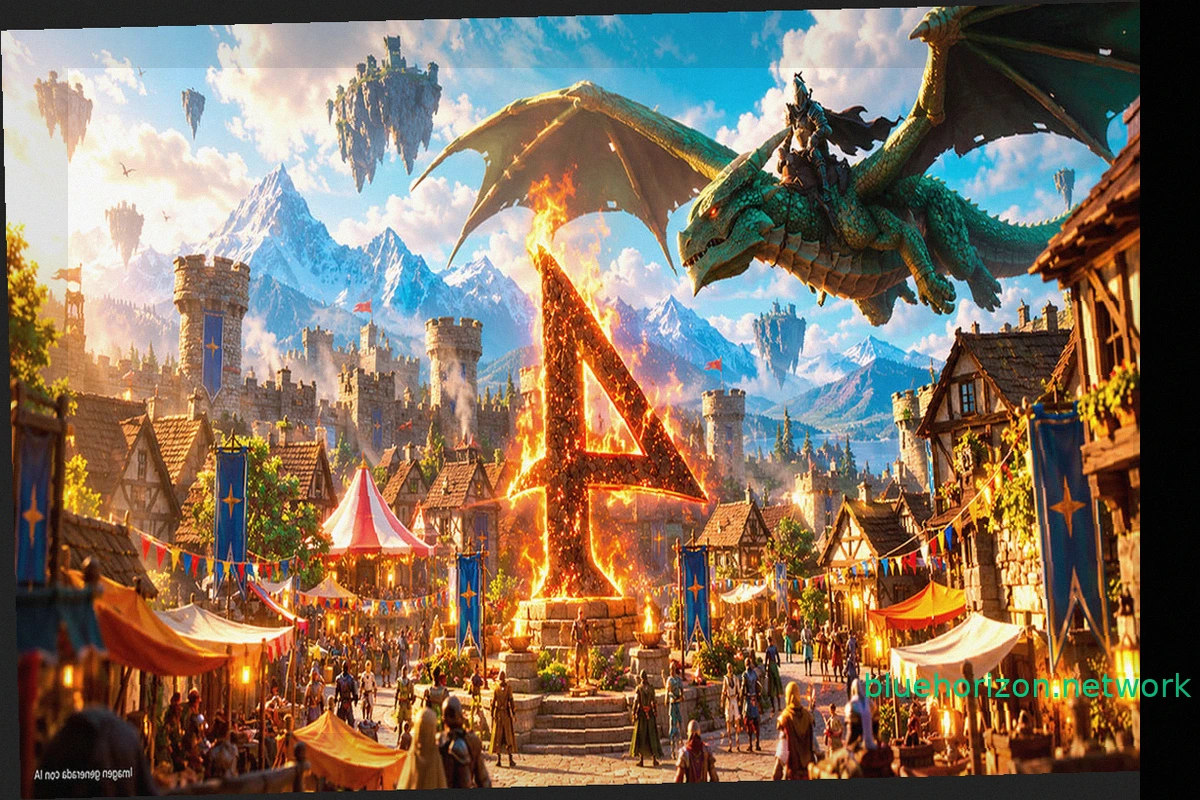
RuneScape 4 Announced: A New MMORPG Built on Unreal Engine
Jagex revealed RuneScape 4 (RS4) at RuneFest 2026. This new MMORPG, currently a working title, will be the fourth generation in the RuneScape franchise. The significant technological shift for this installment is its development on the Unreal Engine. While the specific version isn't confirmed, it
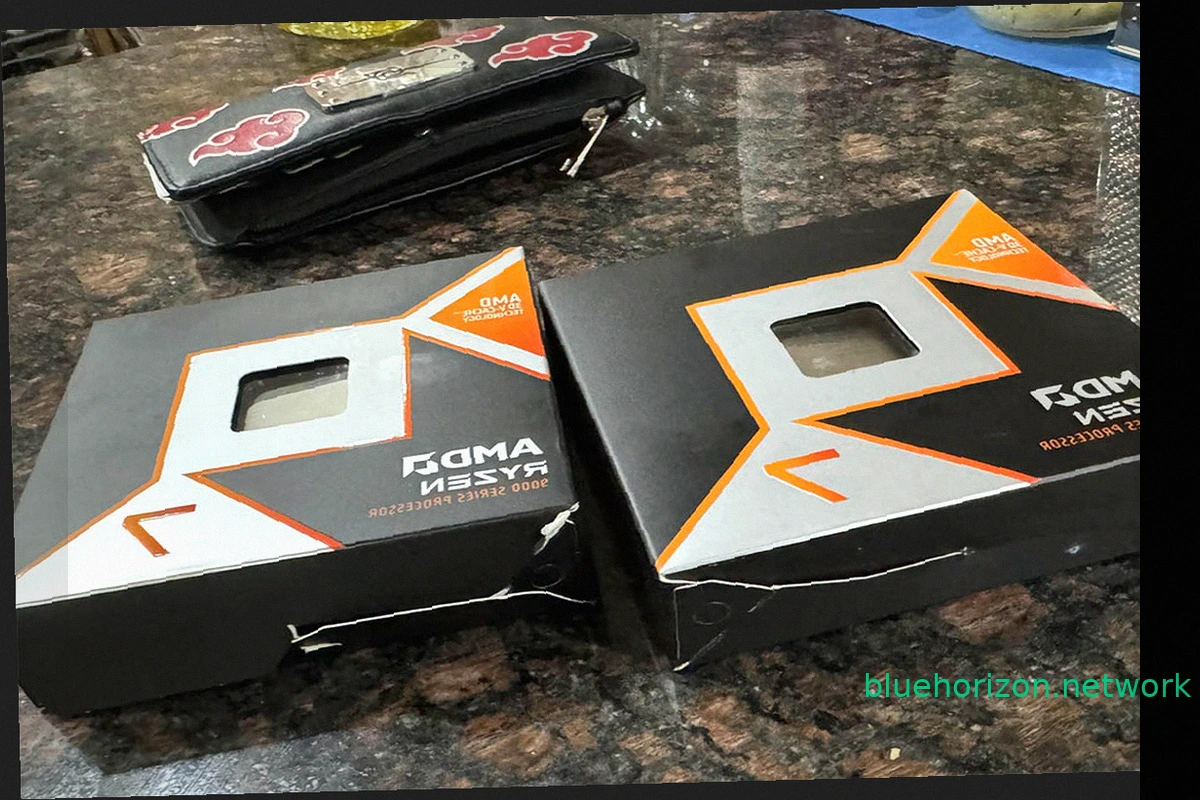
Ryzen 9850X3D Order Mix-Up: User Receives Intel Core i3-3220s Instead
AMD's gaming dominance, solidified by the Ryzen 7 7800X3D and its successor the 9800X3D, left Intel without comparable options. The subsequent release of the slightly faster Ryzen 9850X3D further cemented this lead. These processors are highly sought after by gamers. However, a recent Amazon o