Samsung Pays Customers to Keep Galaxy S26 Ultra to Curb Returns: A Strategy to Mitigate Mobile Division Crisis
Samsung is adopting an unusual strategy with its Galaxy S26 Ultra: instead of managing typical returns, it's offering financial compensation to some users to keep their phones. This practice, applied after a customer has initiated the return process, suggests that the challenge lies less in the initial sale and more in post-purchase satisfaction.
The situation arises when a user, after receiving the device, identifies a problem or simply finds it doesn't meet their expectations – a common scenario in the premium segment. The question is: why is Samsung acting this particular way?
Samsung Offers Compensation for Not Returning the Galaxy S26 Ultra: An Economic Strategy
In response to return requests, Samsung, in certain cases, is offering up to $250 to persuade customers to retain their Galaxy S26 Ultra. It's crucial to note that these offers are not pre-purchase promotions but post-sale incentives, applied once the transaction has already been completed.
The core of this strategy lies in the economics of returns. For Samsung, each return not only means the loss of a sale but also incurring multiple costs: reverse logistics, device inspection, potential refurbishment, and often, the inability to resell it as new.
In an environment of escalating production costs, especially for components like memory and chips, every returned unit translates into a significant financial loss. This situation is a clear example of the impact of the current 'chipflation'.
Cost Reduction Amid Pressure in the Mobile Division
Therefore, the company opts for a pragmatic solution: a smaller monetary compensation proves more economical than the costs associated with a return. It is, in essence, a measure to minimize losses, and a smart decision in the current context of component scarcity and rising prices. Furthermore, it enhances customer perception, as a previously dissatisfied user might change their mind with this incentive.
This scenario also reveals the current state of the market. The Galaxy S26 Ultra appears to sell well, but with tight margins. When a company of Samsung's stature adopts such measures, it indicates significant pressure on the balance between cost and profit. This is not a common strategy, especially for a premium and sought-after product.
Ultimately, this move by Samsung is not an isolated incident but a clear signal of the industry's direction. Manufacturing high-end hardware is increasingly expensive, and managing returns is becoming a significant challenge.
The question is unavoidable: what implications will this have for future generations of devices? Will this practice extend to other giants with similar margins, such as Google or Apple? As for Chinese brands, they will likely raise prices or face closures. We are in a period where the memory crisis will lead to a brutal culling of companies. Those whose numbers aren't in order will feel it, as consumers are at their limit and unforgiving.
Fresh materials — Technology News
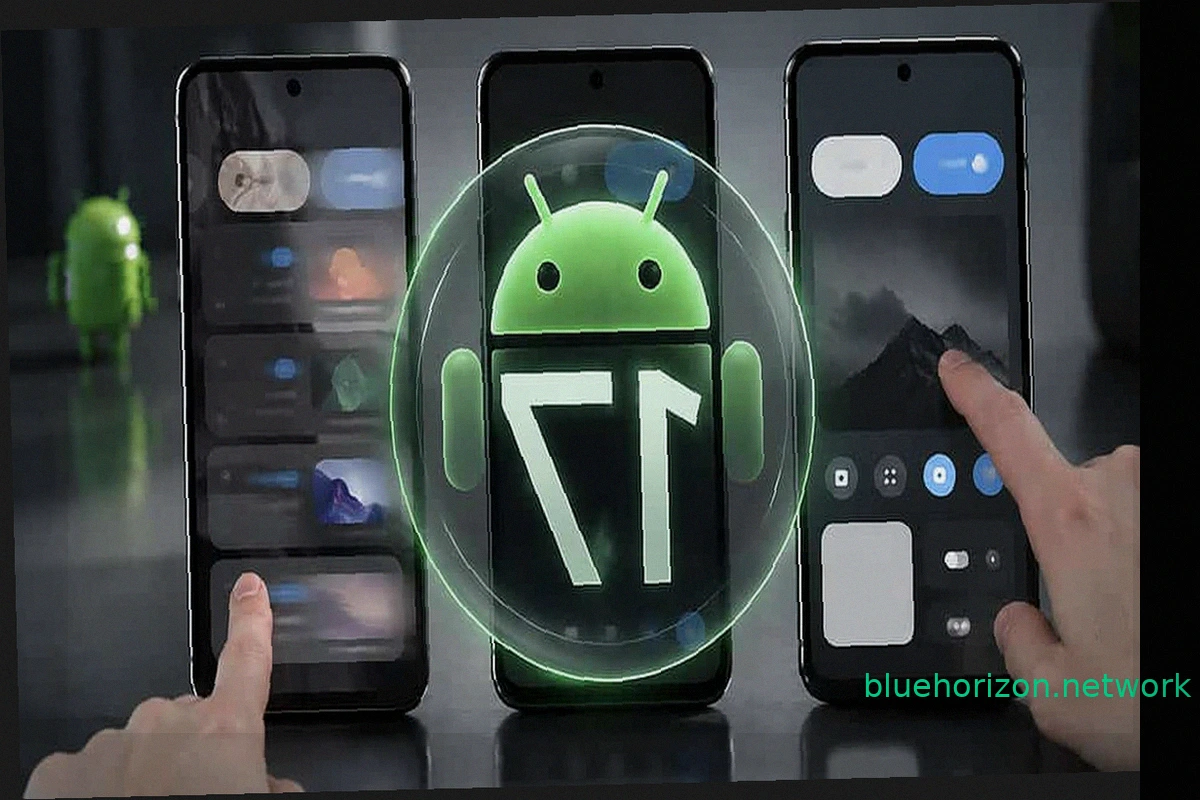
Google Pixel Devices Hit by Nightmare Bug: September Update Locks Out Some Users
Updating your phone should be a simple process: install, restart, and continue. But imagine completing the update, entering your usual unlock pattern, and the phone not even letting you finish it. Your photos and messages remain, but you're locked out. This is the predicament some Google Pixel
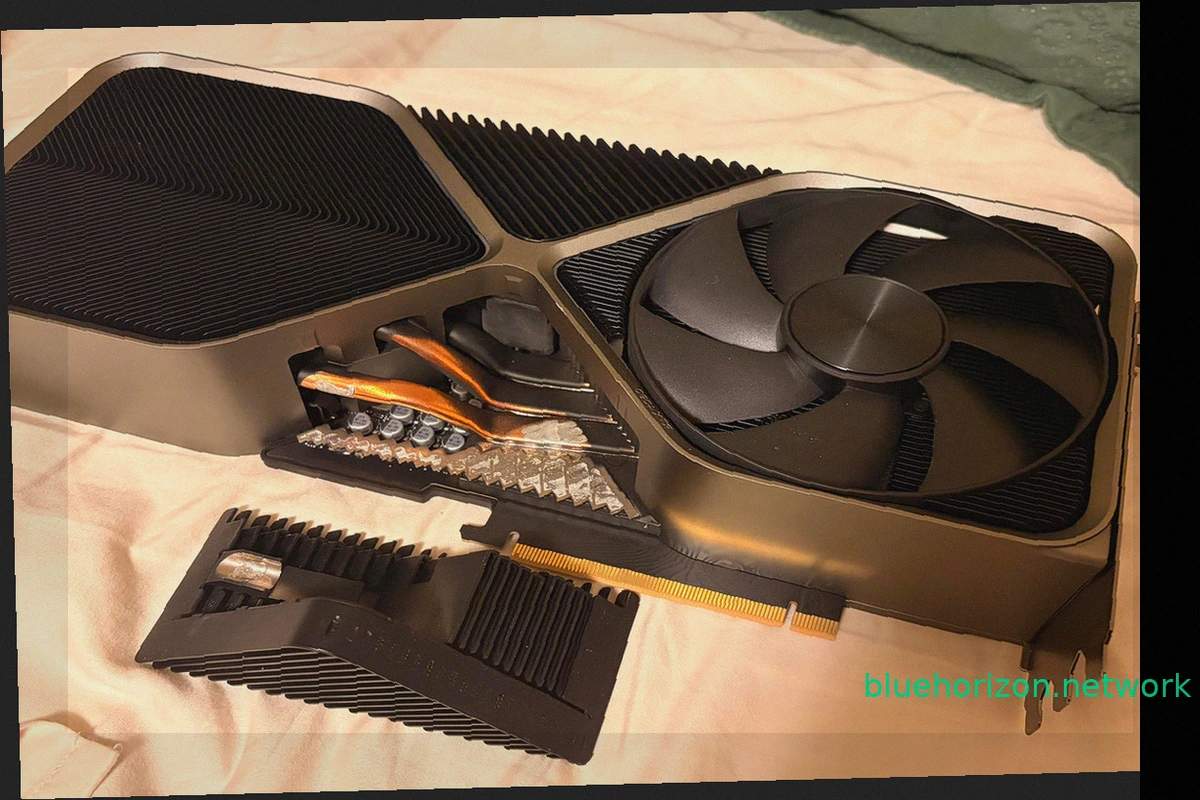
NVIDIA GeForce RTX 4090 Founders Edition Loses Part of Its Heatsink After Three Years
A NVIDIA GeForce RTX 4090 Founders Edition has presented an unusual problem, not with its power connector, but with its heatsink. This incident is unique, as a portion of the graphics card's massive heatsink literally detached while its owner was moving the computer. This wasn't a decorative c

Russian Missiles Strike Infrastructure of 1337x, Second Largest Torrent Tracker, Hitting Piracy
Russian missile attacks have damaged infrastructure belonging to popular torrent trackers like 1337x. Between September 23 and 27, 2026, Russia conducted strikes targeting data centers and communication facilities in Kyiv. These attacks temporarily disrupted internet access for approximately 1
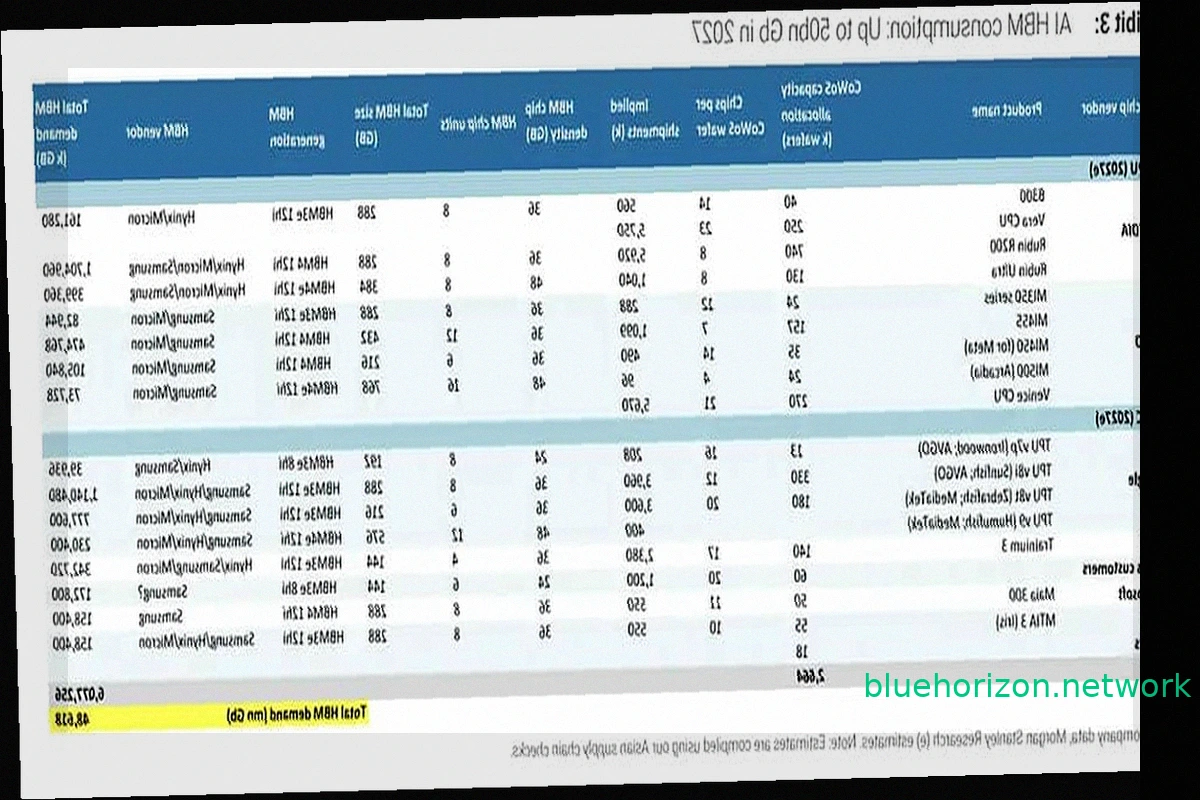
NVIDIA, Google, and AMD Poised to Control 85% of HBM Memory Demand by 2027
The "you'll own nothing and be happy" meme is finding a parallel in hardware, specifically memory. NVIDIA, Google, and AMD are set to command 85.4% of the global High Bandwidth Memory (HBM) demand by 2027, according to Morgan Stanley estimates. These three buyers will largely dictate the pace
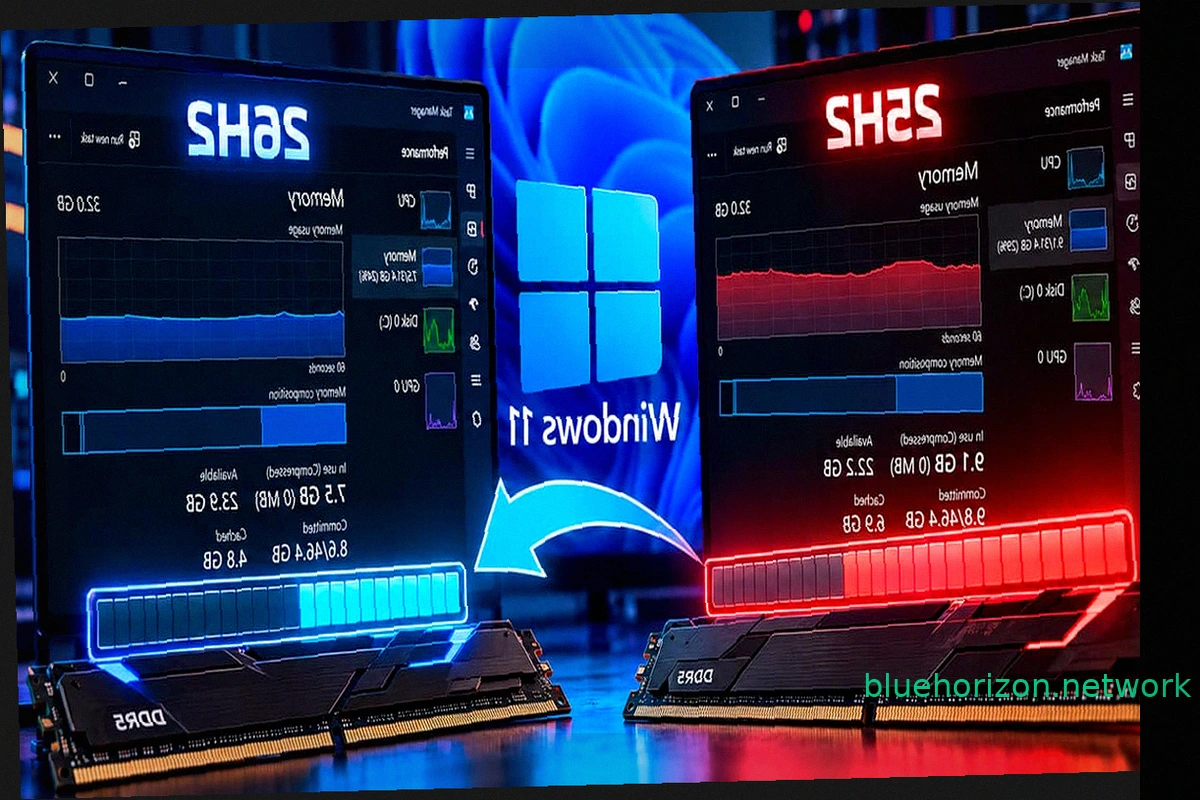
Windows 11 26H2 Reduces RAM Consumption by Up to 2 GB, But 8 GB Machines Still Struggle
Windows 11 26H2 is rolling out optimizations for RAM management. Some users report a noticeable decrease in RAM usage after installing this update, with certain systems showing a reduction of up to 2 GB compared to Windows 11 25H2 upon startup. However, initial findings suggest this improvemen

RTX 5090 fails with DLSS 5 after 48 hours for Chinese streamer
NVIDIA's RTX series introduced Tensor Cores, enabling technologies like DLSS. Early DLSS versions offered a noticeable drop in image quality compared to native resolution. DLSS 2 brought significant improvements, and DLSS 3 achieved parity or even superiority over native rendering. DLSS 4 cont