Samsung Turns to Chinese CSOT for Mid-Range OLED Panels to Reduce Costs
Reports from Korea indicate that Samsung is turning to OLED panels from Chinese manufacturer CSOT for its mid-range smartphones, aiming to cut production costs. This move doesn't signal a decline in the quality of Chinese panel manufacturing, which boasts excellent producers, but rather directly impacts Samsung Display, Samsung's internal subsidiary specialized in screen production for various devices.
These reports detail that Samsung will no longer exclusively rely on Samsung Display for certain mid-range and Fan Edition models. Instead, it has opted for OLED panels from CSOT, a Chinese company that is part of the TCL group.
Samsung Purchases 15 Million OLED Panels from Chinese Manufacturer CSOT
According to these reports, Samsung has already acquired 15 million OLED panels from CSOT. The Samsung Galaxy A57 is expected to be the first mid-range smartphone to incorporate these panels, a trend that will extend to future Fan Edition models. It's important to note that a reduction in Samsung's manufacturing costs doesn't necessarily translate to a lower final price for consumers, but rather improves Samsung's profit margins. Supply chain estimates suggest that CSOT's panels are 20% cheaper than those produced by Samsung Display.
Considering the current context, this decision is logical. DRAM and NAND memory prices have escalated dramatically and are projected to continue rising until 2026. Compared to Q1 2025, the cost of memory for a smartphone with 8GB RAM and 256GB internal storage could have surged by nearly 200%. Historically representing 10-15% of a smartphone's total manufacturing cost, memory now accounts for between 30% and 40%. RAM is expected to double in price during the second quarter of this year, while NAND could increase by up to 60%.
For a mid-range smartphone, this cost increase is highly impactful. Therefore, it is plausible that Samsung has been compelled to use CSOT panels to protect its profit margins and prevent an excessive price increase for its devices, driven by the surge in memory prices.
Memory Crisis Breaks Samsung Display's Monopoly
In its 2025 financial results, Samsung had already indicated that its mobile division would face constant cost pressures in 2026. Recently, the CEO of Samsung Display added that rising raw material and energy prices, linked to oil price increases, further complicate hardware costs. Thus, Samsung is not only dealing with more expensive memory but also a less favorable industrial environment for in-house component manufacturing. Consequently, it has chosen to purchase OLED panels from CSOT, as it is more cost-effective to buy them than to produce them internally.
Furthermore, Chinese manufacturers surpassed 50% market share in OLED shipments during 2025, demonstrating their growing volume and cost competitiveness, especially in the crucial mid-range segment. This suggests that Samsung is prioritizing the competitiveness of its mobile division over safeguarding the interests of its display subsidiary. Reports indicate that Samsung Display reacted negatively and attempted to internally oppose this decision.
In essence, to maintain its leadership in the mobile sector, Samsung is choosing to reduce the revenue of its display division by sourcing OLED panels from competitors. The drastic increase in RAM and storage prices has compelled brands to optimize every euro in production costs. Simply passing these increases onto consumers would weaken demand and impact sales. This also opens a new perspective: rather than a technological defeat for Samsung Display, it signals that Chinese competition has reached a quality-price level capable of penetrating even Samsung's internal operations.
Fresh materials — Technology News

Google Wins AI Overviews Legal Battle Against Publishers
Google secured a significant court victory in the United States against publishers accusing the company of using their content to power AI Overviews. The core of the lawsuits was that these AI-generated summaries reduce website traffic. Federal Judge Amit P. Mehta of the District Court of Colu
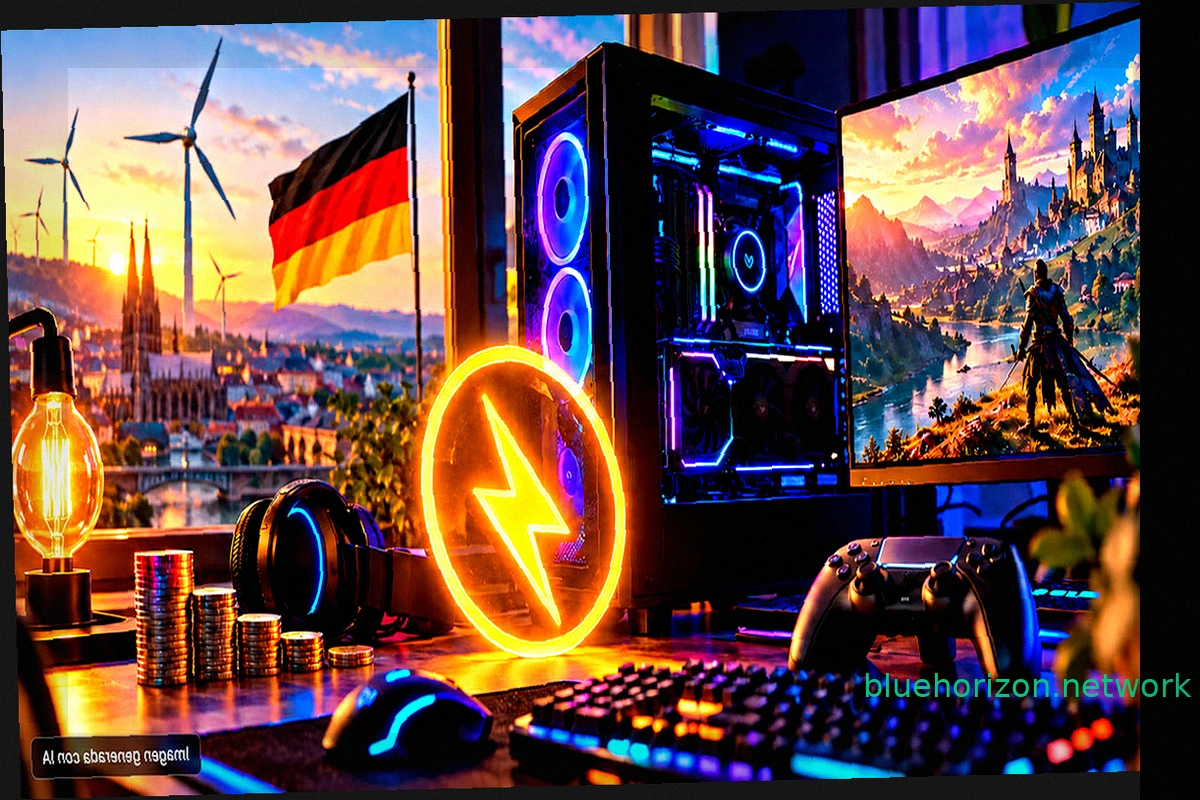
Germany Launches Gaming-Focused Electricity Tariff with Consumption Rewards
German energy provider SWK Energie has introduced an unusual market segment for electricity: gamers. The company is promoting "meinGAMING," an electricity tariff designed for households with high energy consumption, specifically targeting gamers with powerful computers, streamers, and users wit

RuneScape 4 Announced: A New MMORPG Built on Unreal Engine
Jagex revealed RuneScape 4 (RS4) at RuneFest 2026. This new MMORPG, currently a working title, will be the fourth generation in the RuneScape franchise. The significant technological shift for this installment is its development on the Unreal Engine. While the specific version isn't confirmed, it
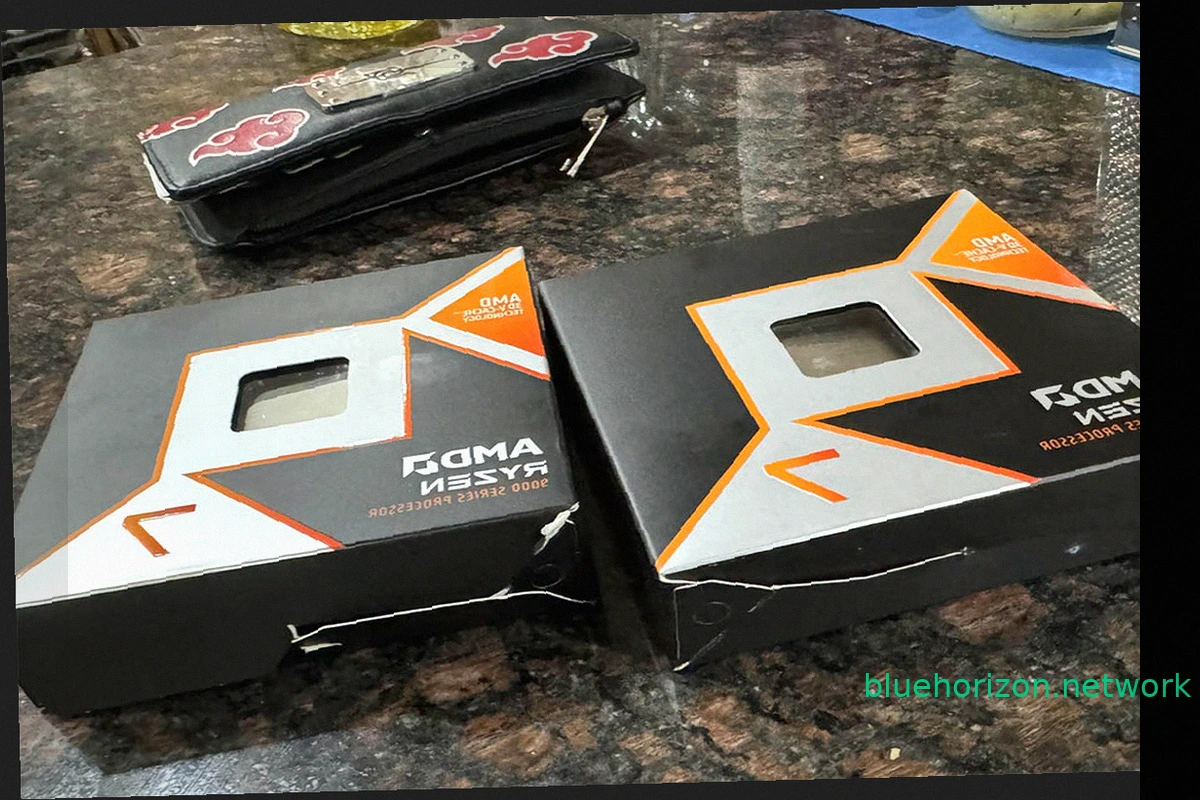
Ryzen 9850X3D Order Mix-Up: User Receives Intel Core i3-3220s Instead
AMD's gaming dominance, solidified by the Ryzen 7 7800X3D and its successor the 9800X3D, left Intel without comparable options. The subsequent release of the slightly faster Ryzen 9850X3D further cemented this lead. These processors are highly sought after by gamers. However, a recent Amazon o

Google Pixel Devices Hit by Nightmare Bug: September Update Locks Out Some Users
Updating your phone should be a simple process: install, restart, and continue. But imagine completing the update, entering your usual unlock pattern, and the phone not even letting you finish it. Your photos and messages remain, but you're locked out. This is the predicament some Google Pixel
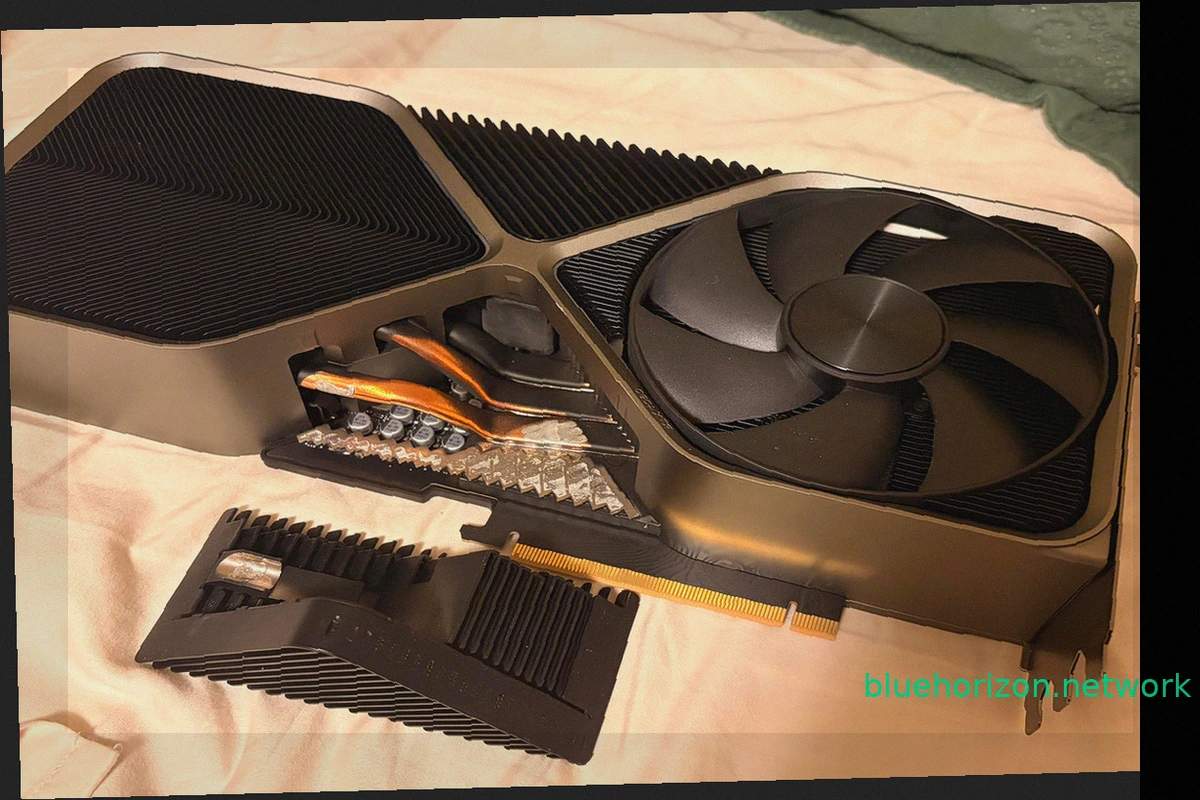
NVIDIA GeForce RTX 4090 Founders Edition Loses Part of Its Heatsink After Three Years
A NVIDIA GeForce RTX 4090 Founders Edition has presented an unusual problem, not with its power connector, but with its heatsink. This incident is unique, as a portion of the graphics card's massive heatsink literally detached while its owner was moving the computer. This wasn't a decorative c