Sony's PS5 Pro Runs FSR 4-Based Tech on RDNA 3.5, Challenging AMD's PC Restrictions and Preparing Own Frame Generation
Sony has confirmed that its new PSSR 2 technology for the PS5 Pro is not an entirely isolated development, a fact already known. However, what was previously unknown is its direct foundational link to the core of AMD's FSR Redstone (FSR 4). This official news comes from Digital Foundry, reporting on statements from Cerny, highlighting that the console utilizes AI-based upscaling technology equivalent to what AMD is preparing for its next-generation RX 9000 series on PC. Crucially, on PC, this same technology remains exclusively restricted to those new graphics cards.
In contrast, Sony's PS5 Pro operates with RDNA 3.5 architecture. Despite the existence of numerous AMD graphics cards sharing this architecture, AMD does not support them with FSR 4, citing well-known reasons. Sony argues that the technological approach is identical; the real difference, according to the Japanese developers, lies in implementation: they are already deploying this technology in a final product, while AMD keeps it segmented. The question remains: why this disparity?
Sony States PS5 Pro's PSSR 2 Uses INT8 Processing, Challenging AMD's Stance with Users
The key to this new iteration from Sony lies in its operational method. PSSR 2 has evolved towards an INT8 inference-based model, which significantly reduces computational cost and enables neural network execution on more limited hardware, such as the console's RDNA 3.5 GPU.
This implies that the PS5 Pro is running a genuine AI-based upscaling system, highly optimized for efficiency, rather than a classical simplified version. Cerny noted that the system's latency is around 100 microseconds, a figure that enables practical real-time usage without negatively impacting the gaming experience.
This is where AMD's previous statements begin to falter. The company had argued that FSR 4 requires more powerful hardware, compatible exclusively with RDNA 4 for the RX 9000 series, thereby excluding any preceding RDNA 3 GPUs. However, Sony is successfully running an implementation based on the very same SuperSampling core on a GPU that is demonstrably inferior in terms of architecture and raw power compared to many current PC GPUs.
Sony's Customization Enables PSSR 2 to Use INT8 on a Slower GPU Than PC Counterparts
The explanation lies not in technical impossibility, but in model simplification, quantization, and pipeline adaptation. The full FSR 4 for PC utilizes heavier models, higher precision, and an approach less constrained by power consumption or strict latency. PSSR 2, conversely, is an optimized, lighter version tailored for a closed, predictable, and stable console environment.
Starting from the same technological core, different results are achieved based on specific product objectives. It's not that it cannot run on RDNA 3; rather, AMD dictates where and how to deploy it. The next step is already in motion, as Sony, logically, does not intend to stop here.
Mark Cerny has confirmed that the PlayStation 5 Pro will feature its own machine learning-based frame generation solution, positioning Sony directly in competition with DLSS 3 and similar technologies. While no specific release date has been given, development is underway and forms part of the ongoing collaboration with AMD. This reinforces the idea of a shared technological ecosystem evolving in parallel across both consoles and PCs, albeit with distinctly different strategic approaches.
Regardless, Sony's actions demonstrate that AMD possesses the capability to bring FSR 4 and Frame Generation to RDNA 3 GPUs. They could implement it with Redstone, albeit in a more limited, lighter version, which would entail some performance compromises. However, the challenge for AMD is that RDNA 3 hardware, such as the RX 7000 series, is already established in the market, and the company may not have the same engineering resources as NVIDIA to dedicate to such extensive development.
The good news is that, if there was any doubt, the PS5 Pro has confirmed that FSR 4 is feasible on RDNA 3 hardware, even if it requires a more optimized and lighter model.
Fresh materials — Technology News

GTA VI: PlayStation 5 Firmware Update May Force Jailbreak Loss
Grand Theft Auto VI (GTA VI) is poised to create a dilemma for PlayStation 5 owners who wish to maintain their consoles with jailbreak-compatible firmware. According to data surfaced from the PlayStation Store backend by PlayStation Game Size, GTA VI will mandate at least PS5 firmware version
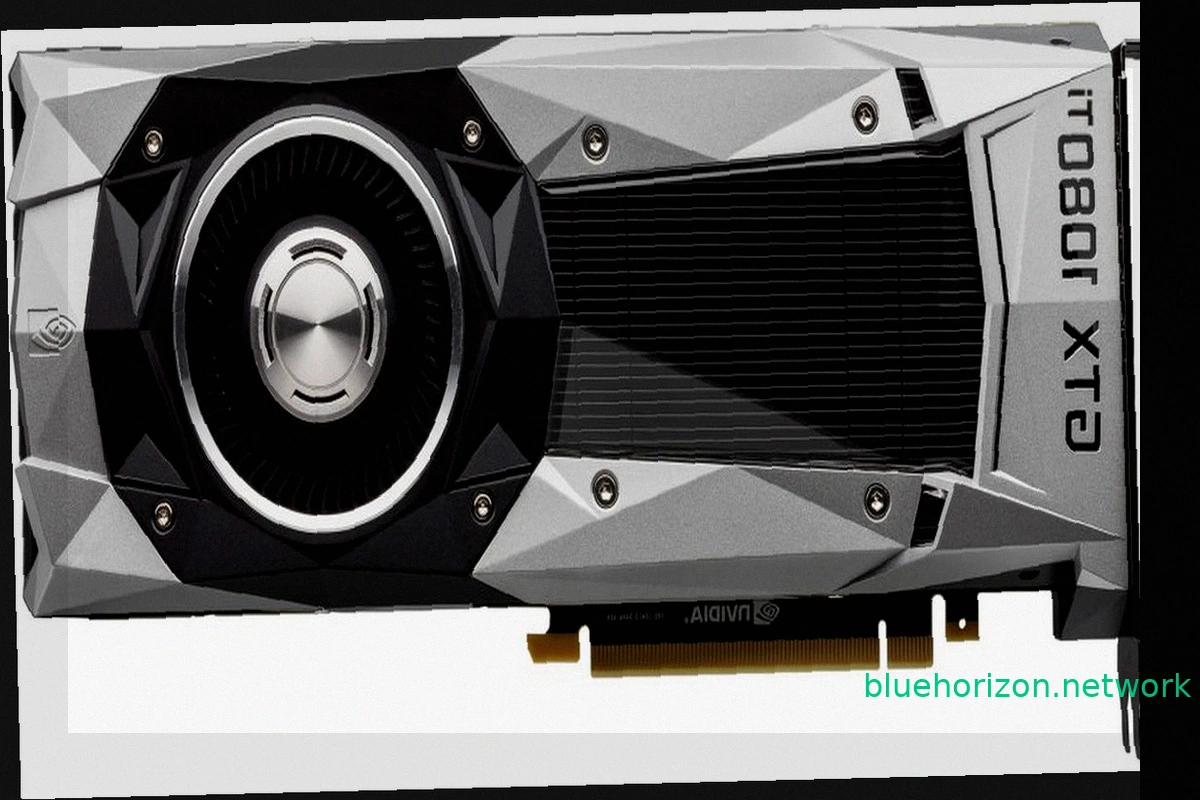
NVIDIA TITAN XP and GTX 1000 Series Achieve Windows XP Compatibility with Unofficial Forceware 382.69 Drivers
While modern PC components like RTX 50 graphics cards, Ryzen X3D CPUs, and high-speed RAM drive up costs, older hardware offers a budget-friendly alternative. A peculiar development now brings a degree of compatibility between older GPUs and Windows XP: the GTX 1000 series, including the TITAN

Google Wins AI Overviews Legal Battle Against Publishers
Google secured a significant court victory in the United States against publishers accusing the company of using their content to power AI Overviews. The core of the lawsuits was that these AI-generated summaries reduce website traffic. Federal Judge Amit P. Mehta of the District Court of Colu
Germany Launches Gaming-Focused Electricity Tariff with Consumption Rewards
German energy provider SWK Energie has introduced an unusual market segment for electricity: gamers. The company is promoting "meinGAMING," an electricity tariff designed for households with high energy consumption, specifically targeting gamers with powerful computers, streamers, and users wit
RuneScape 4 Announced: A New MMORPG Built on Unreal Engine
Jagex revealed RuneScape 4 (RS4) at RuneFest 2026. This new MMORPG, currently a working title, will be the fourth generation in the RuneScape franchise. The significant technological shift for this installment is its development on the Unreal Engine. While the specific version isn't confirmed, it
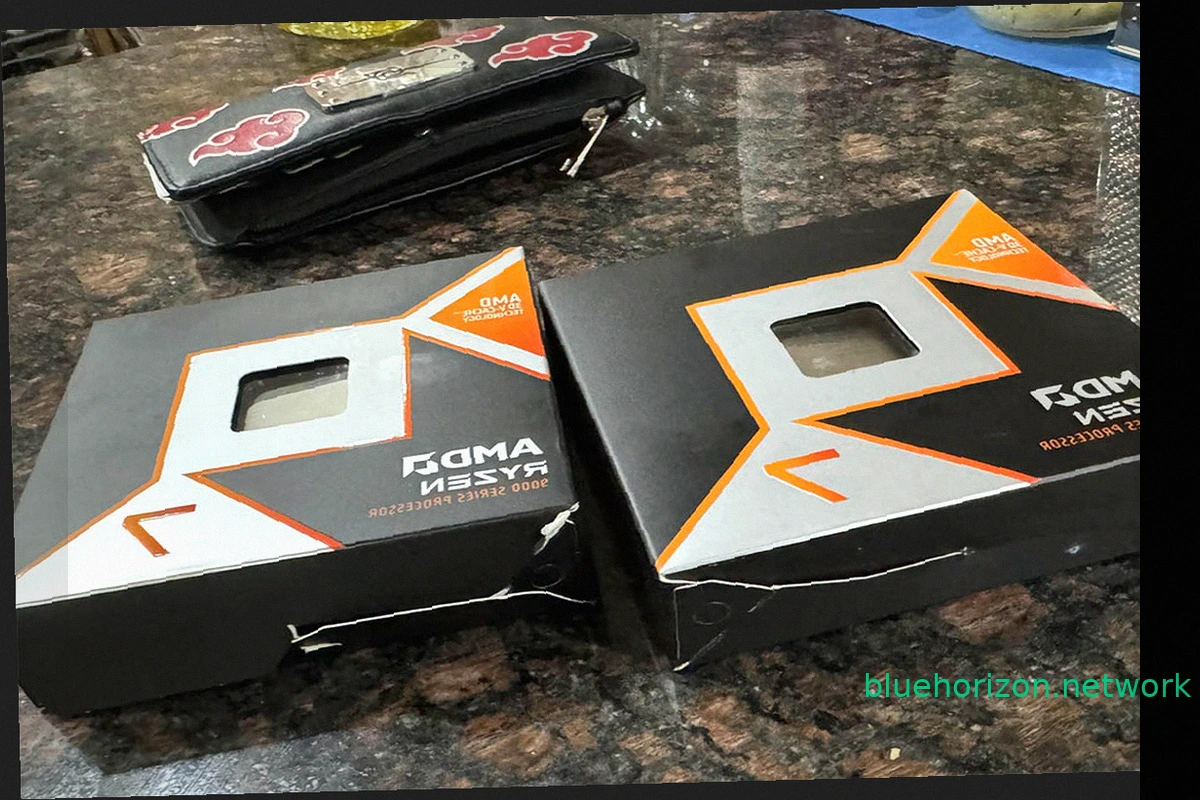
Ryzen 9850X3D Order Mix-Up: User Receives Intel Core i3-3220s Instead
AMD's gaming dominance, solidified by the Ryzen 7 7800X3D and its successor the 9800X3D, left Intel without comparable options. The subsequent release of the slightly faster Ryzen 9850X3D further cemented this lead. These processors are highly sought after by gamers. However, a recent Amazon o