Survey Reveals 71% of Gamers Oppose NVIDIA DLSS 5
Video games increasingly demand more powerful PC hardware, and current-generation consoles are visibly struggling to keep up. Comparing console versions, like Xbox Series X's Crimson Desert, to their PC counterparts reveals clear compromises in visual quality. This trend, coupled with rising PC component costs and ever-growing game requirements, has made gamers increasingly reliant on upscaling technologies such as DLSS, FSR, and XeSS. However, NVIDIA has recently disappointed its user base. Expectations for DLSS 5 centered on significant improvements in upscaling, but what was delivered has been largely unpopular, with only a small fraction of players expressing approval.
The initial release of DLSS wasn't well-received by the gaming community; it was a nascent technology that didn't immediately present a superior alternative to existing solutions. Nevertheless, as DLSS evolved and improved, many who initially dismissed it eventually adopted the technology. Today, it's fair to say that the majority of gamers support the use of AI-powered upscaling. A significant factor in this widespread acceptance is the noticeable decline in game optimization, forcing players to rely on such technologies to achieve acceptable frame rates on PC.
Survey Indicates Over 70% of Gamers Oppose DLSS 5
While DLSS 4.5 is the latest widely available version, NVIDIA quickly unveiled DLSS 5, presenting a technology that deviates significantly from traditional upscaling. DLSS 5 alters various graphical elements, including character and environment design, as well as lighting. While improvements to lighting were somewhat appreciated, the changes to character models have been widely criticized. A PC Gamer survey confirms this discontent, revealing that 71% of players are against DLSS 5.
Breaking down the opposition, 37% of respondents expressed ethical concerns, stating they would never use DLSS 5 regardless of its visual performance. Another 34% found the visual quality of DLSS 5 unacceptable and would likewise refuse to use it. On the other end of the spectrum, a mere 10% (representing 468 out of over 4,500 total votes) were fully convinced and in favor of the technology.
Breakdown of the Remaining 29%: Conditional Acceptance and Full Support
Within the remaining group, another 10% (453 votes) indicated they would use DLSS 5 only if they perceived a graphical improvement to their liking. This conditional acceptance highlights the subjective nature of the 'enhancements,' as many have criticized the changes, often likening them to an AI filter applied to character faces. Finally, 9% of respondents stated they would use DLSS 5 selectively, only in specific games where its implementation yields favorable results, consistent with NVIDIA's own demos showing varied outcomes across different titles.
Indeed, NVIDIA's promotional videos for DLSS 5 generally received negative feedback. The Zorah demo was the most favored, while titles like Resident Evil Requiem and EA SPORTS FC garnered the lowest approval, with less than 15% likes on YouTube. Beyond visual quality, NVIDIA faces a more fundamental challenge: for DLSS 5 to achieve widespread adoption, the company must significantly lower its hardware requirements. Currently, the technology appears to demand GPUs akin to an RTX 5090, effectively limiting its accessibility to a mere 1% or less of the gaming population.
Fresh materials — Technology News

GTA VI: PlayStation 5 Firmware Update May Force Jailbreak Loss
Grand Theft Auto VI (GTA VI) is poised to create a dilemma for PlayStation 5 owners who wish to maintain their consoles with jailbreak-compatible firmware. According to data surfaced from the PlayStation Store backend by PlayStation Game Size, GTA VI will mandate at least PS5 firmware version
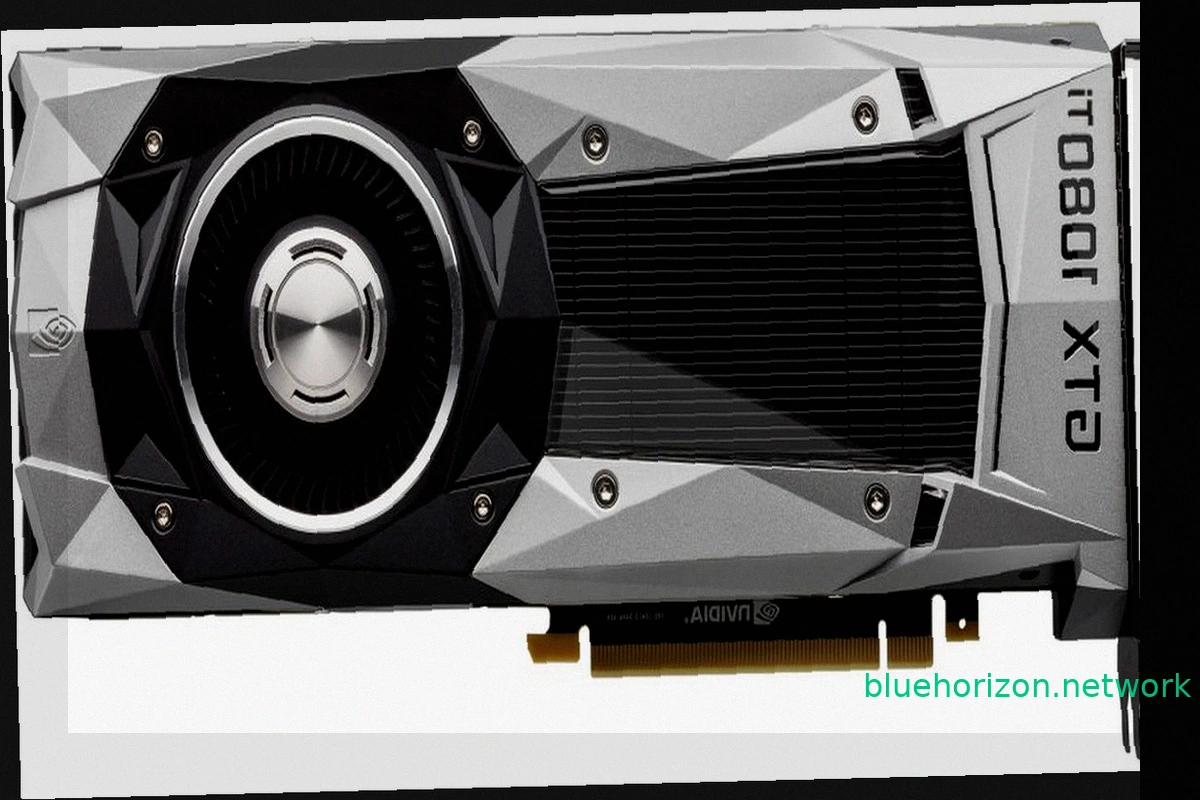
NVIDIA TITAN XP and GTX 1000 Series Achieve Windows XP Compatibility with Unofficial Forceware 382.69 Drivers
While modern PC components like RTX 50 graphics cards, Ryzen X3D CPUs, and high-speed RAM drive up costs, older hardware offers a budget-friendly alternative. A peculiar development now brings a degree of compatibility between older GPUs and Windows XP: the GTX 1000 series, including the TITAN

Google Wins AI Overviews Legal Battle Against Publishers
Google secured a significant court victory in the United States against publishers accusing the company of using their content to power AI Overviews. The core of the lawsuits was that these AI-generated summaries reduce website traffic. Federal Judge Amit P. Mehta of the District Court of Colu

Germany Launches Gaming-Focused Electricity Tariff with Consumption Rewards
German energy provider SWK Energie has introduced an unusual market segment for electricity: gamers. The company is promoting "meinGAMING," an electricity tariff designed for households with high energy consumption, specifically targeting gamers with powerful computers, streamers, and users wit
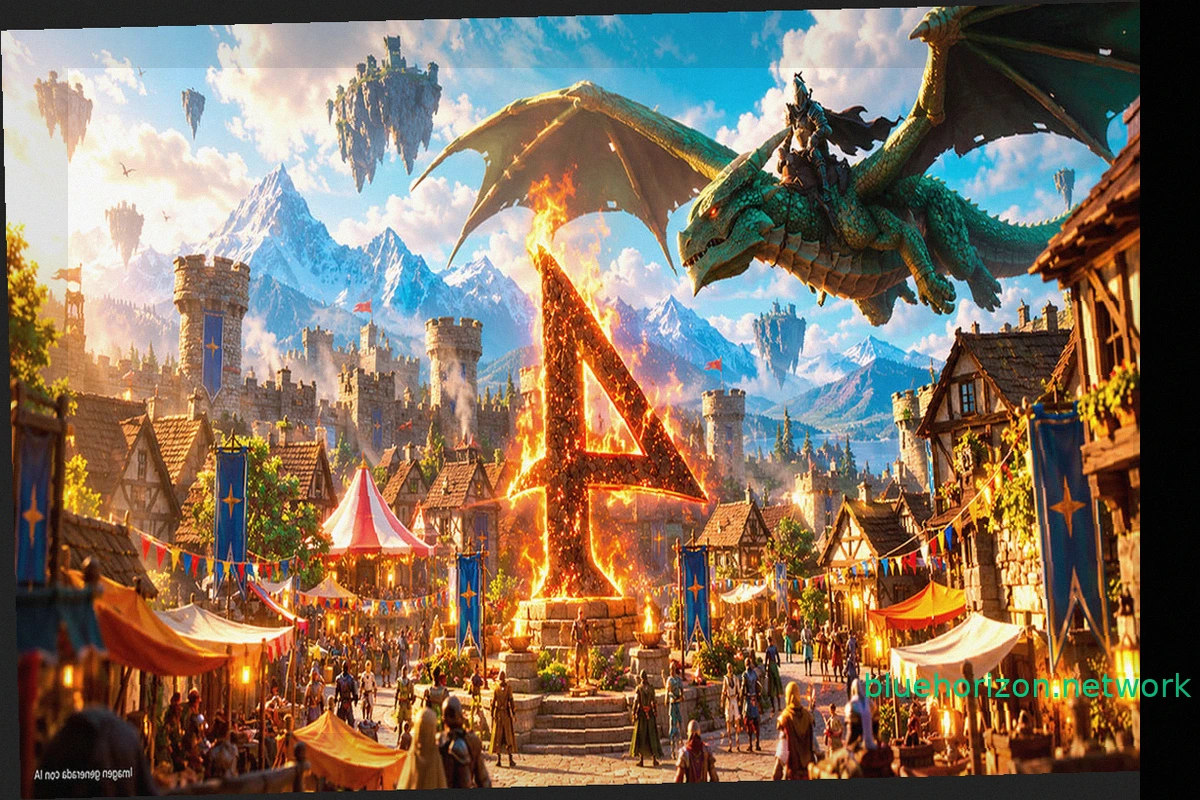
RuneScape 4 Announced: A New MMORPG Built on Unreal Engine
Jagex revealed RuneScape 4 (RS4) at RuneFest 2026. This new MMORPG, currently a working title, will be the fourth generation in the RuneScape franchise. The significant technological shift for this installment is its development on the Unreal Engine. While the specific version isn't confirmed, it
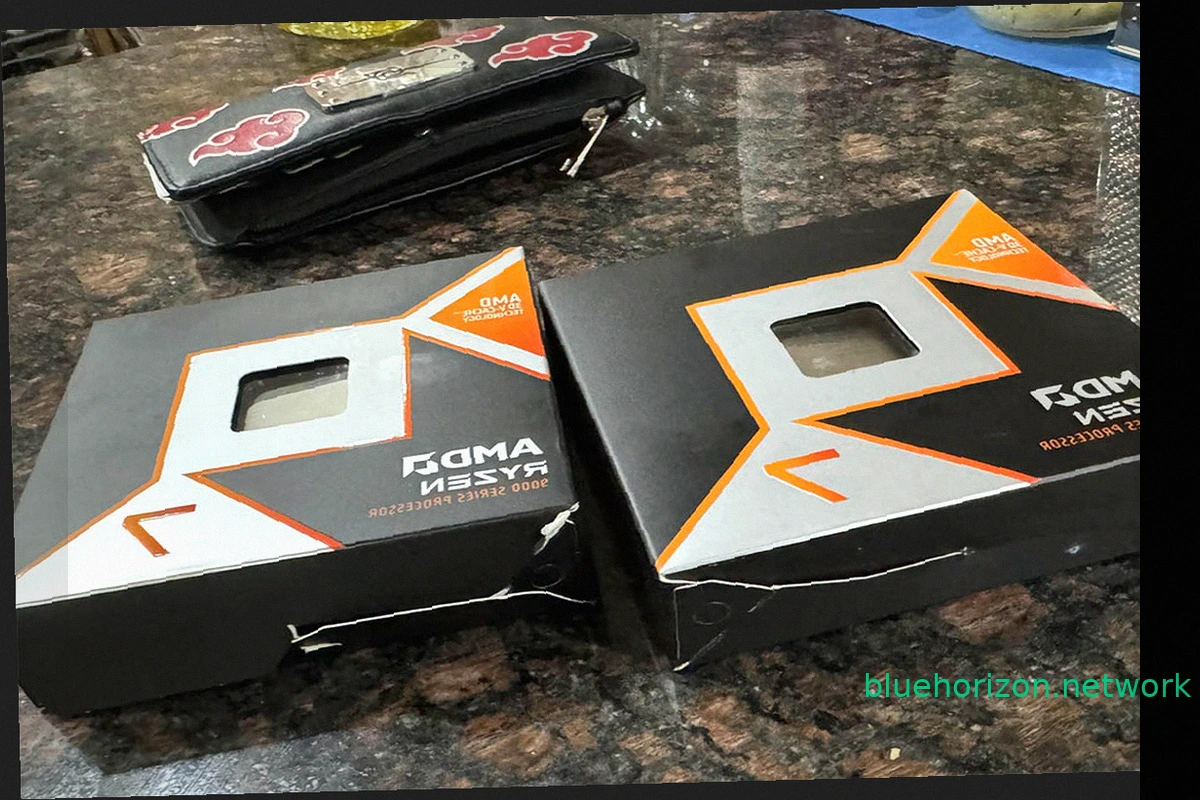
Ryzen 9850X3D Order Mix-Up: User Receives Intel Core i3-3220s Instead
AMD's gaming dominance, solidified by the Ryzen 7 7800X3D and its successor the 9800X3D, left Intel without comparable options. The subsequent release of the slightly faster Ryzen 9850X3D further cemented this lead. These processors are highly sought after by gamers. However, a recent Amazon o