The MacBook Neo is a Resounding Success: Apple Records Its Best Mac Debut Among First-Time Buyers
As previously anticipated, the MacBook Neo has burst onto the market, setting a new record as the most successful Mac launch ever for first-time buyers. Tim Cook, Apple's CEO, confirmed this milestone via his official X account, highlighting that Mac has achieved its best launch week among new customers. The MacBook Neo is undeniably behind this achievement, with shipping times already extending to two to four weeks, signaling exceptionally strong initial demand.
It's worth noting that Tim Cook did not explicitly attribute this record solely to the MacBook Neo. Its launch coincided with that of the new MacBook Airs, featuring the Apple M5 SoC, and the MacBook Pros with the Apple M5 Pro and M5 Max. While the record pertains to the overall Mac launch, it's clear that the MacBook Neo is the primary driver behind this achievement. This is because it's Apple's first laptop designed to be affordable, aiming to attract new users, particularly those migrating from Windows and Chromebooks, into the Apple ecosystem.
The MacBook Neo: Unmatched Value at 699 Euros

The MacBook Neo is an ultrabook featuring a 13-inch Liquid Retina IPS panel. This display offers a native resolution of 2,408 x 1,506 pixels at 60 Hz, with a pixel density of 219 ppi and a peak brightness of 500 nits. It is powered by the Apple A18 Pro mobile SoC, which includes a 6-core Arm CPU (2 performance + 4 efficiency cores), a 6-core GPU with Ray Tracing support, and a 16-core NPU. This is paired with 8 GB of unified RAM providing a bandwidth of 60 GB/s. It supports hardware acceleration for H.264, HEVC, ProRes, and ProRes RAW, and includes dedicated engines for video encoding/decoding and ProRes, as well as AV1 decoding.
The MacBook Neo features passive cooling, an SSD available in 256 GB or 512 GB capacities, and a 36.5 Wh battery supporting fast charging via USB-C. This battery promises up to 16 hours of streaming video playback and up to 11 hours of web browsing.
To complete the specifications, it includes two USB-C ports (one USB 3.2 at 10 Gbps and one USB 2.0 at 480 MB/s), along with a 3.5 mm headphone jack. Due to the USB-C port configuration, it can only support a single external monitor at a maximum native resolution of 4K at 60 Hz. It features a butterfly-mechanism keyboard without backlighting, a Multi-Touch trackpad, Touch ID (exclusive to the 512 GB model), and Wi-Fi 6E + Bluetooth 6.0 wireless connectivity. All of this is integrated into a chassis that is just 12.7 mm thick and weighs 1.23 kilograms.
A Standard Difficult for Competitors to Match

Indeed, with the MacBook Neo, Apple seems to have shifted from being perceived as an overpriced brand to one that offers exceptional value for money. For instance, considering a well-known Spanish retailer, a best-selling 13 to 14-inch laptop in a similar price range is the Lenovo IdeaPad Flex 5. It retails for 749 euros, featuring a 2022 AMD Ryzen 7 5825U processor, 16 GB of RAM, a 512 GB SSD, and a 14-inch Full HD+ display with 300 nits of brightness.
This Lenovo, according to reports, offers between 12 and 15 hours of battery life for video playback at low brightness, and between 7 and 9 hours of real-world use (web browsing and office tasks). The remarkable thing is that, despite utilizing a mobile chip, the MacBook Neo significantly outperforms the competition in terms of performance.
Using Geekbench 6 as a benchmark, the Apple A18 Pro is 78% faster in single-core performance, while the multi-core difference narrows to 23%. This means the Neo is not only more powerful but also more efficient, all at a lower price point. For these reasons, the MacBook Neo has achieved a new milestone for Apple: attracting PC users dissatisfied with their current machines, offering them the chance to experience something innovative and superior, even if it means adapting to a new operating system. At a price of 699 euros, the MacBook Neo represents an excellent option for anyone seeking a laptop for office and multimedia use.
Fresh materials — Technology News

GTA VI: PlayStation 5 Firmware Update May Force Jailbreak Loss
Grand Theft Auto VI (GTA VI) is poised to create a dilemma for PlayStation 5 owners who wish to maintain their consoles with jailbreak-compatible firmware. According to data surfaced from the PlayStation Store backend by PlayStation Game Size, GTA VI will mandate at least PS5 firmware version
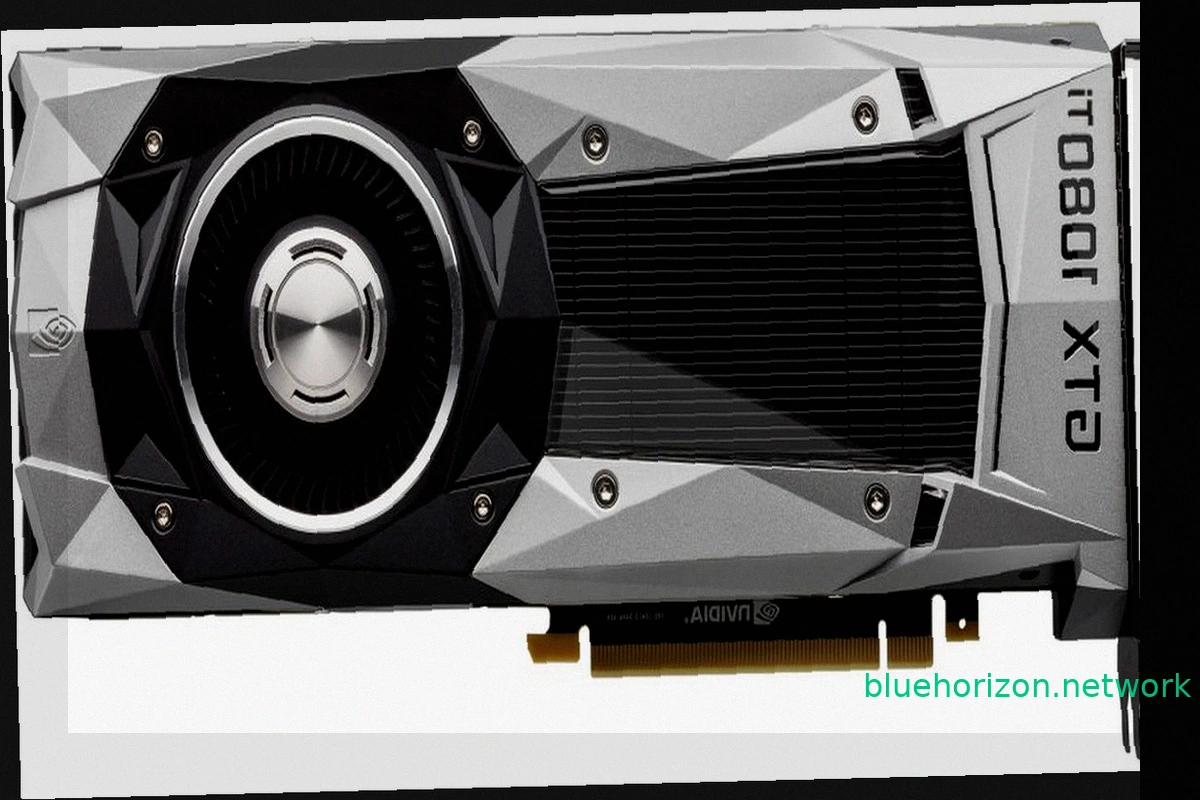
NVIDIA TITAN XP and GTX 1000 Series Achieve Windows XP Compatibility with Unofficial Forceware 382.69 Drivers
While modern PC components like RTX 50 graphics cards, Ryzen X3D CPUs, and high-speed RAM drive up costs, older hardware offers a budget-friendly alternative. A peculiar development now brings a degree of compatibility between older GPUs and Windows XP: the GTX 1000 series, including the TITAN

Google Wins AI Overviews Legal Battle Against Publishers
Google secured a significant court victory in the United States against publishers accusing the company of using their content to power AI Overviews. The core of the lawsuits was that these AI-generated summaries reduce website traffic. Federal Judge Amit P. Mehta of the District Court of Colu

Germany Launches Gaming-Focused Electricity Tariff with Consumption Rewards
German energy provider SWK Energie has introduced an unusual market segment for electricity: gamers. The company is promoting "meinGAMING," an electricity tariff designed for households with high energy consumption, specifically targeting gamers with powerful computers, streamers, and users wit

RuneScape 4 Announced: A New MMORPG Built on Unreal Engine
Jagex revealed RuneScape 4 (RS4) at RuneFest 2026. This new MMORPG, currently a working title, will be the fourth generation in the RuneScape franchise. The significant technological shift for this installment is its development on the Unreal Engine. While the specific version isn't confirmed, it
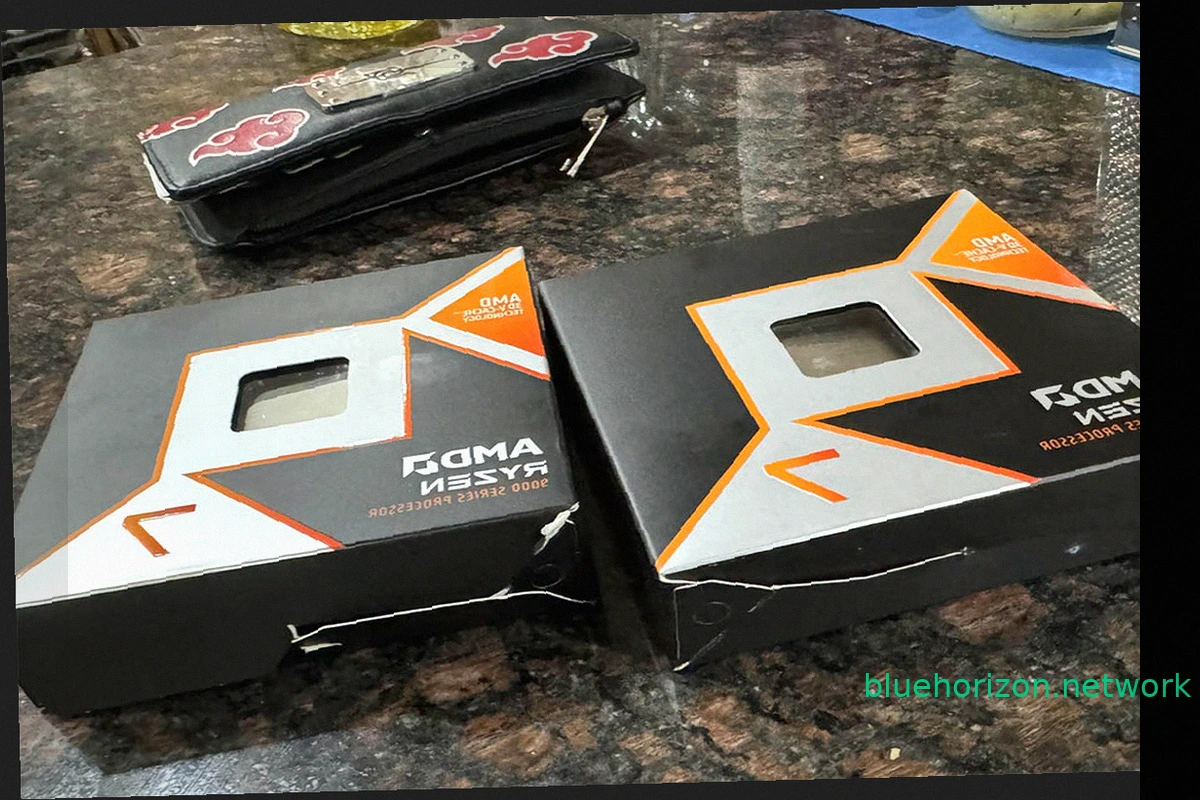
Ryzen 9850X3D Order Mix-Up: User Receives Intel Core i3-3220s Instead
AMD's gaming dominance, solidified by the Ryzen 7 7800X3D and its successor the 9800X3D, left Intel without comparable options. The subsequent release of the slightly faster Ryzen 9850X3D further cemented this lead. These processors are highly sought after by gamers. However, a recent Amazon o