Valve's RAM Struggle: Steam Machine Delays & Public Plea for Memory
At GDC 2026, Valve made a noteworthy statement regarding the current scarcity of RAM, openly appealing to anyone with large volumes of memory to contact them for acquisition. This situation has caused significant delays in all their upcoming hardware launches, including the Steam Machine, and it's rumored that even Half-Life 3 could be affected by this shortage.
Initially, Valve had set the launch of its Steam Machine, Steam Frame VR glasses, and the new Steam Controller for early 2026. However, these dates have been progressively postponed, first to the first half of 2026, and now simply to "2026," without a defined launch window. The primary reason for these persistent delays is the severe lack of available memory, coupled with its increasing cost. This forces Valve to re-evaluate its pricing strategy and even the memory configurations for its devices.
Valve Faces a Growing Challenge: Scarce, Costly, and Highly Sought-After Memory
For context, the Steam Machine is designed to require 16 GB of RAM, along with 8 GB of VRAM for the GPU, and between 512 GB and 2 TB of NAND flash memory for SSD storage. Extrapolating from the estimated 250,000 Steam Deck units sold in its first week, if the Steam Machine were to replicate this initial demand, Valve would need a massive quantity of memory: at least 4 million GB of RAM (equivalent to 4 petabytes), 2 million GB of VRAM, and between 128 million and 500,000 TB of NAND Flash storage. These figures are solely for the initial launch phase.
It's evident that Valve is striving to accumulate the largest possible memory capacity, not only to withstand potential success during the console's launch but also to maintain stock over time. Accumulating memory is also crucial for averaging out purchasing prices. Although the company may currently be buying memory at its highest possible cost, it had previously acquired memory at bargain prices. Valve aims to balance these costs to prevent the 'console' from failing on its debut simply due to an elevated price point.
Furthermore, the Steam Frame glasses also rely heavily on memory, requiring 16 GB of RAM and between 256 GB and 1 TB of NAND storage. Valve's strategy is to ensure that the launch of both products is not hampered by a lack of availability or unstable pricing in the months following their release.
Valve Publicly Highlights the Difficult RAM Market Impacting its Steam Machine
The exact launch date for the Steam Machine and Steam Frame remains uncertain. Valve has indicated that it will only make an announcement once it has secured all the necessary RAM and has been able to adjust prices accordingly. This challenging market situation may also have impacted other manufacturers, such as ASUS and MSI, who were reportedly planning to launch their own Steam Machine variants with custom designs and even more powerful hardware, but these plans might now be on hold. It has even been mentioned that Steam Decks have been discontinued due to RAM shortages.
In essence, this situation mirrors the strategy seen with the launch of the portable Steam Deck. Following its release, other manufacturers like ASUS launched their ROG Ally, MSI introduced its Claw, and Lenovo presented its Legion Go. There are now many manufacturers who have opted to directly launch similar handheld devices running SteamOS, or popularizing Linux-based solutions such as Bazzite.
Fresh materials — Technology News

Google Pixel Devices Hit by Nightmare Bug: September Update Locks Out Some Users
Updating your phone should be a simple process: install, restart, and continue. But imagine completing the update, entering your usual unlock pattern, and the phone not even letting you finish it. Your photos and messages remain, but you're locked out. This is the predicament some Google Pixel
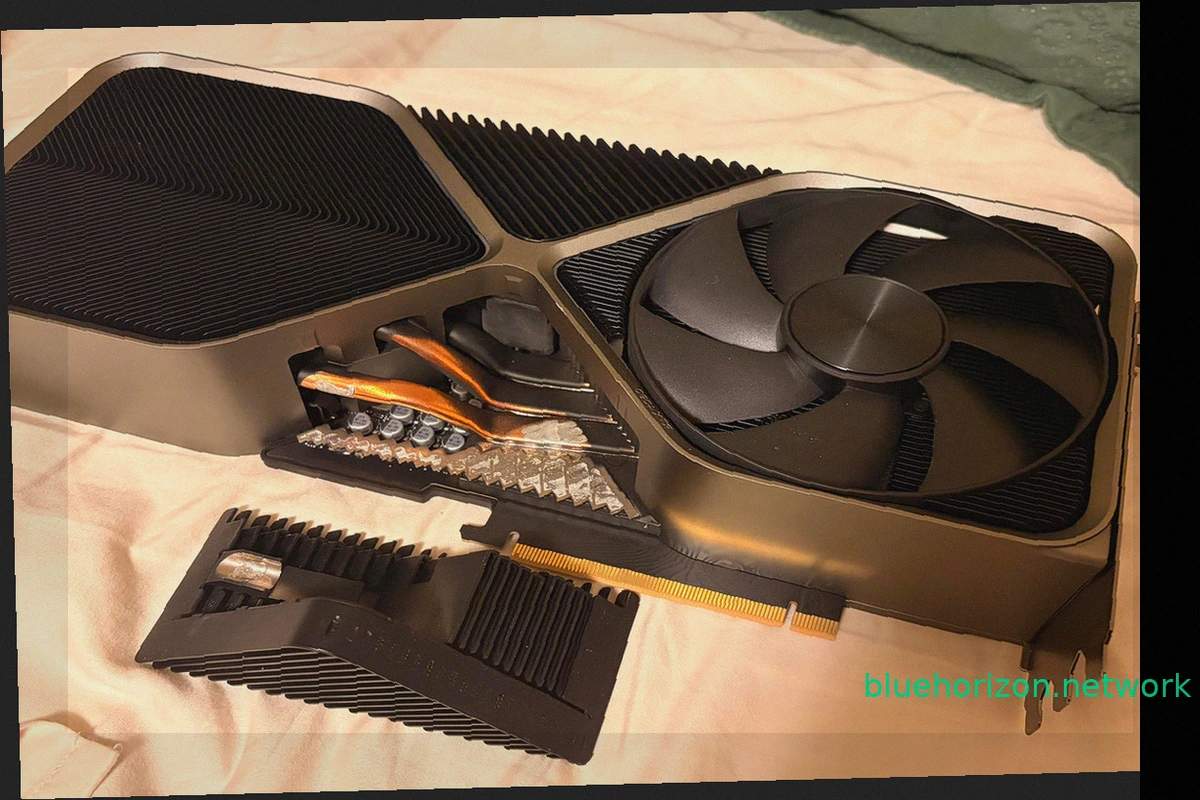
NVIDIA GeForce RTX 4090 Founders Edition Loses Part of Its Heatsink After Three Years
A NVIDIA GeForce RTX 4090 Founders Edition has presented an unusual problem, not with its power connector, but with its heatsink. This incident is unique, as a portion of the graphics card's massive heatsink literally detached while its owner was moving the computer. This wasn't a decorative c

Russian Missiles Strike Infrastructure of 1337x, Second Largest Torrent Tracker, Hitting Piracy
Russian missile attacks have damaged infrastructure belonging to popular torrent trackers like 1337x. Between September 23 and 27, 2026, Russia conducted strikes targeting data centers and communication facilities in Kyiv. These attacks temporarily disrupted internet access for approximately 1
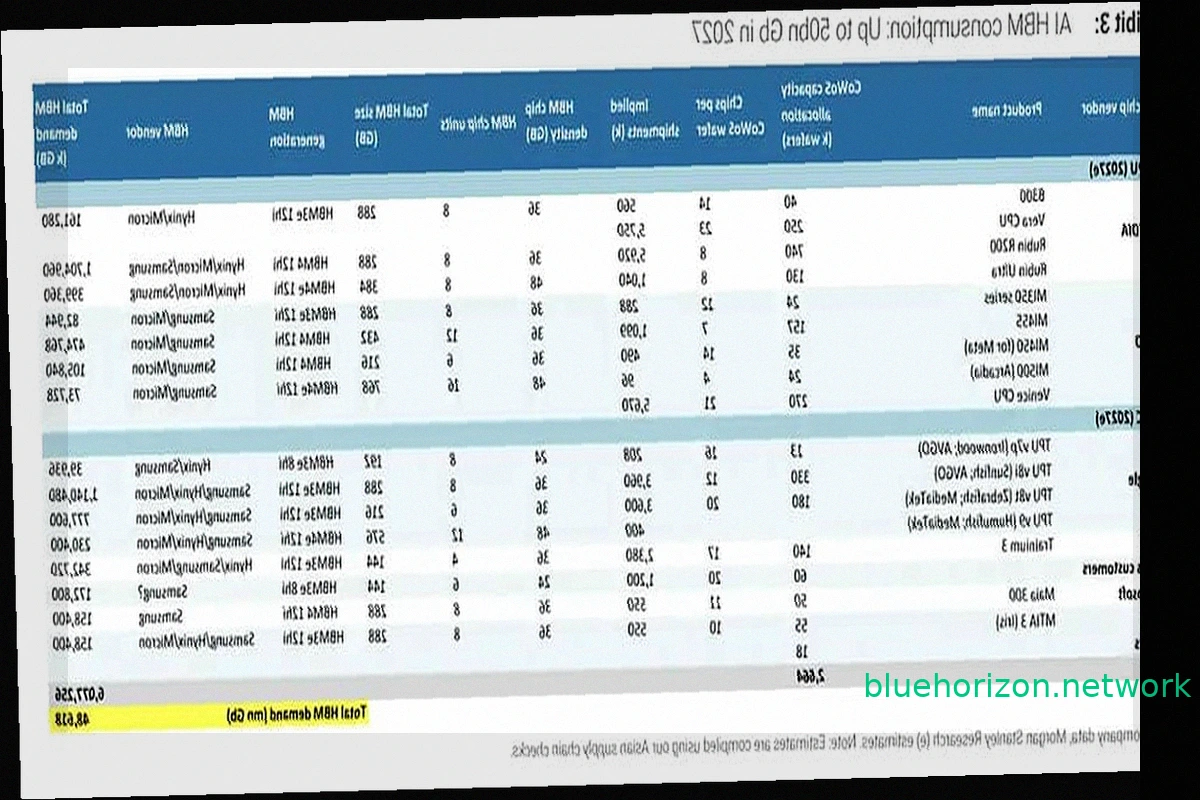
NVIDIA, Google, and AMD Poised to Control 85% of HBM Memory Demand by 2027
The "you'll own nothing and be happy" meme is finding a parallel in hardware, specifically memory. NVIDIA, Google, and AMD are set to command 85.4% of the global High Bandwidth Memory (HBM) demand by 2027, according to Morgan Stanley estimates. These three buyers will largely dictate the pace
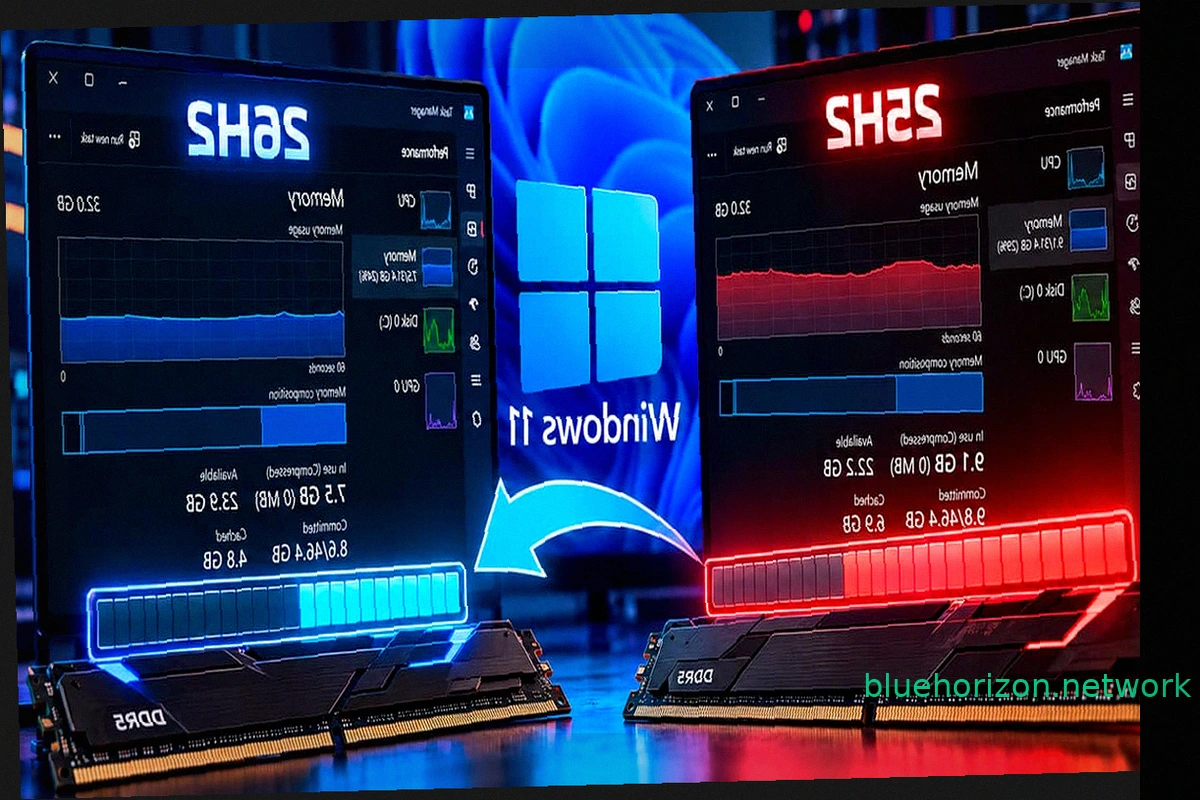
Windows 11 26H2 Reduces RAM Consumption by Up to 2 GB, But 8 GB Machines Still Struggle
Windows 11 26H2 is rolling out optimizations for RAM management. Some users report a noticeable decrease in RAM usage after installing this update, with certain systems showing a reduction of up to 2 GB compared to Windows 11 25H2 upon startup. However, initial findings suggest this improvemen

RTX 5090 fails with DLSS 5 after 48 hours for Chinese streamer
NVIDIA's RTX series introduced Tensor Cores, enabling technologies like DLSS. Early DLSS versions offered a noticeable drop in image quality compared to native resolution. DLSS 2 brought significant improvements, and DLSS 3 achieved parity or even superiority over native rendering. DLSS 4 cont