Why are astronauts using aging tech? NASA spaceflight expert has the answers
In an era of rapid technological advancement, it might seem counterintuitive that NASA astronauts often embark on missions equipped with hardware that isn't the latest and greatest. From flight computers to communication systems, some components aboard spacecraft can be years, if not decades, behind consumer-grade technology. But according to NASA spaceflight experts, this isn't an oversight; it's a deliberate and critical strategy driven by paramount concerns.
Reliability Over Novelty
The primary reason for opting for older, proven technology is reliability. In the unforgiving vacuum of space, where repairs are incredibly complex and failures can have catastrophic consequences, stability is king. New technologies, while exciting, often come with unknown failure modes and require extensive debugging. Older components, having been used in numerous previous missions or simulations, have a well-documented performance history. Every glitch, every stress point, every operational quirk is understood, allowing engineers to design around potential weaknesses and ensure peak performance under extreme conditions.
Rigorous Testing and Certification
Before any piece of equipment can fly into space, it undergoes an incredibly rigorous testing and certification process. This isn't just a quick check; it involves subjecting components to extreme temperatures, radiation, vacuum, vibration, and shock—conditions far beyond what they would experience on Earth. This process can take years. By the time a new technology has completed this gauntlet, a newer version might already exist on the market. However, switching to the 'latest' version would mean restarting the entire testing protocol from scratch, which is impractical given mission timelines and safety requirements. The tested and certified 'older' tech is therefore the safer, more expedient choice.
Cost-Effectiveness and Procurement Cycles
Space missions are astronomically expensive, and every component contributes to the overall budget. Developing and qualifying brand-new, space-rated technology is a monumental undertaking that can cost billions. Leveraging existing, proven hardware significantly reduces research and development costs. Furthermore, the procurement cycles for space hardware are lengthy. Companies that produce space-grade components often do so in smaller batches, focusing on robustness rather than rapid obsolescence. This means that by the time a system is fully designed, built, and integrated, the components chosen might already be several generations old compared to consumer electronics, but they are still the most cost-effective and reliable options available for space application.
Conclusion
Ultimately, NASA's choice to utilize 'aging tech' isn't about being behind the times; it's a testament to the meticulous planning and unwavering commitment to astronaut safety and mission success. In the realm of space exploration, where the stakes are incredibly high, the allure of cutting-edge technology takes a back seat to the undeniable power of reliability, exhaustive testing, and fiscal prudence. This pragmatic approach ensures that every piece of hardware, regardless of its 'age,' is the most dependable choice for navigating the challenges of the cosmos.
Fresh materials — Technology News

GTA VI: PlayStation 5 Firmware Update May Force Jailbreak Loss
Grand Theft Auto VI (GTA VI) is poised to create a dilemma for PlayStation 5 owners who wish to maintain their consoles with jailbreak-compatible firmware. According to data surfaced from the PlayStation Store backend by PlayStation Game Size, GTA VI will mandate at least PS5 firmware version
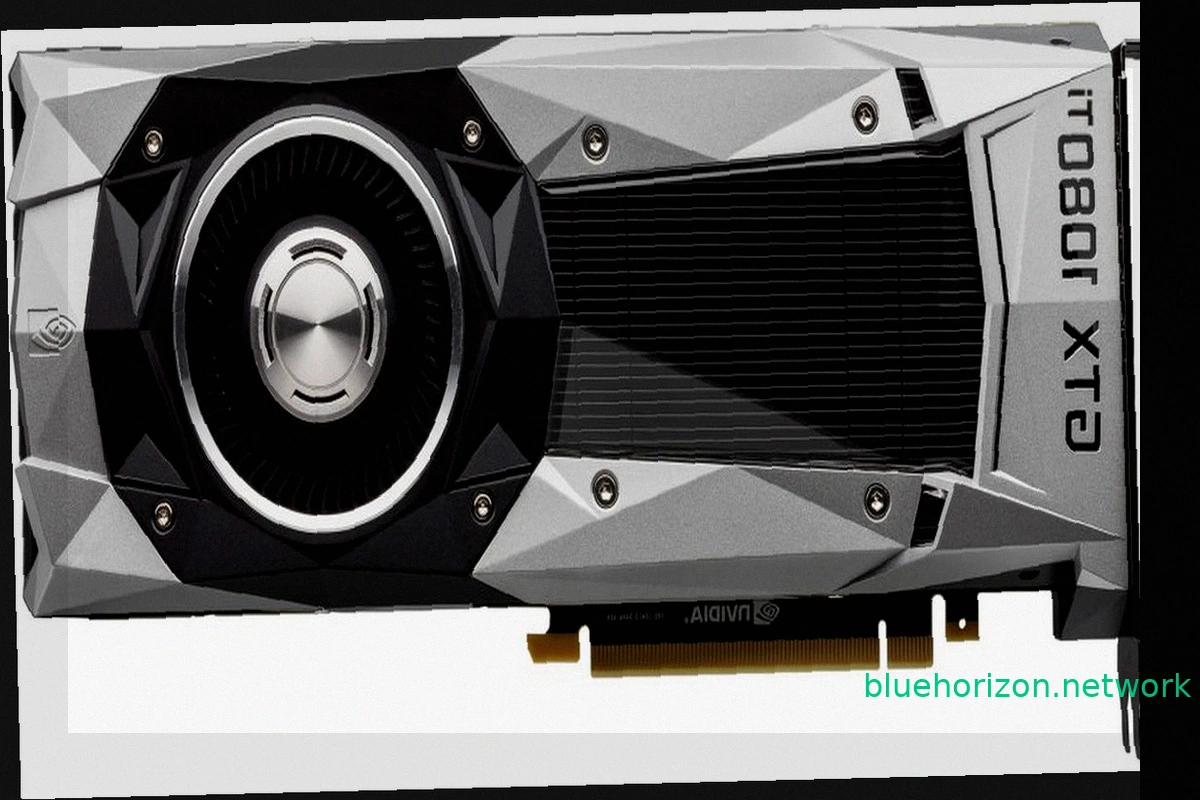
NVIDIA TITAN XP and GTX 1000 Series Achieve Windows XP Compatibility with Unofficial Forceware 382.69 Drivers
While modern PC components like RTX 50 graphics cards, Ryzen X3D CPUs, and high-speed RAM drive up costs, older hardware offers a budget-friendly alternative. A peculiar development now brings a degree of compatibility between older GPUs and Windows XP: the GTX 1000 series, including the TITAN

Google Wins AI Overviews Legal Battle Against Publishers
Google secured a significant court victory in the United States against publishers accusing the company of using their content to power AI Overviews. The core of the lawsuits was that these AI-generated summaries reduce website traffic. Federal Judge Amit P. Mehta of the District Court of Colu
Germany Launches Gaming-Focused Electricity Tariff with Consumption Rewards
German energy provider SWK Energie has introduced an unusual market segment for electricity: gamers. The company is promoting "meinGAMING," an electricity tariff designed for households with high energy consumption, specifically targeting gamers with powerful computers, streamers, and users wit
RuneScape 4 Announced: A New MMORPG Built on Unreal Engine
Jagex revealed RuneScape 4 (RS4) at RuneFest 2026. This new MMORPG, currently a working title, will be the fourth generation in the RuneScape franchise. The significant technological shift for this installment is its development on the Unreal Engine. While the specific version isn't confirmed, it
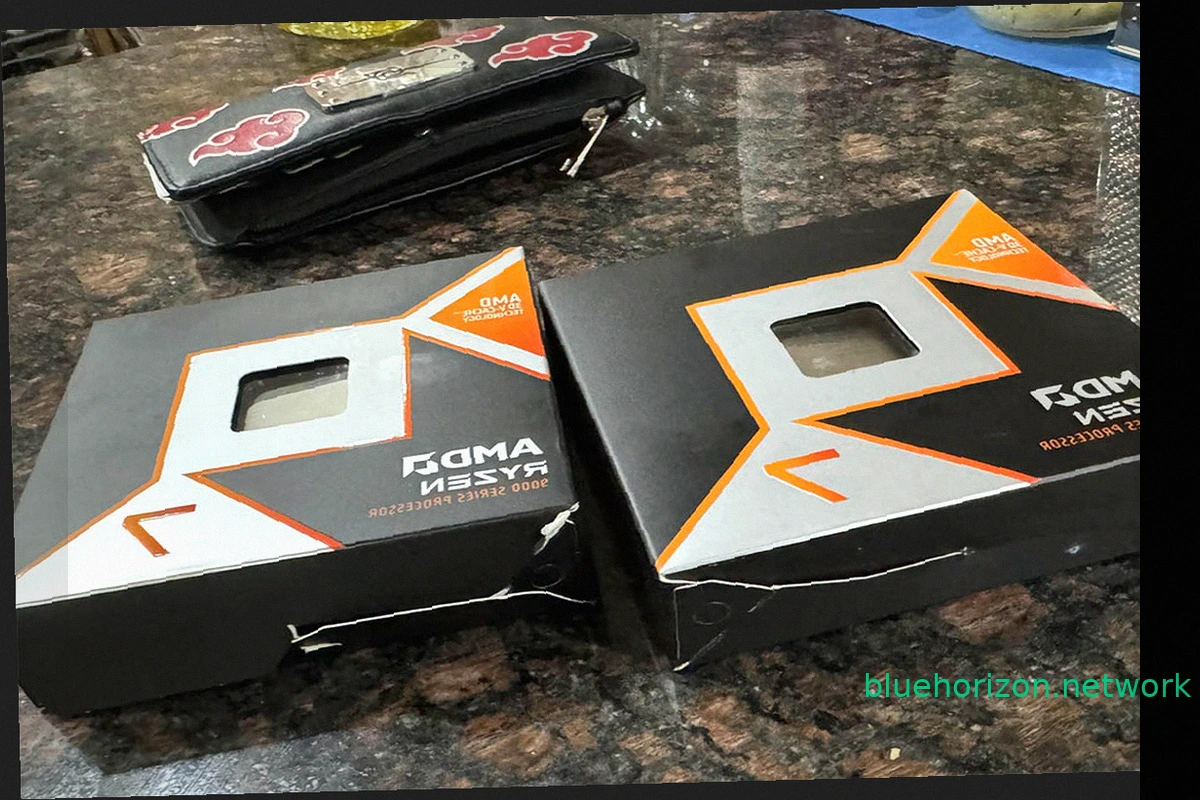
Ryzen 9850X3D Order Mix-Up: User Receives Intel Core i3-3220s Instead
AMD's gaming dominance, solidified by the Ryzen 7 7800X3D and its successor the 9800X3D, left Intel without comparable options. The subsequent release of the slightly faster Ryzen 9850X3D further cemented this lead. These processors are highly sought after by gamers. However, a recent Amazon o