Windows 11 Not Only Reduces RAM Consumption, But Also Improves Gaming Responsiveness to Minimize Bottlenecks
Microsoft's upcoming changes for Windows 11 are set to transform the OS more profoundly than initially anticipated. We're not talking about mere aesthetic redesigns or superficial new features. Instead, Microsoft has decided to address a critical area: core performance when Windows 11 is under heavy load. The goal is to consume less RAM, improve responsiveness in games and applications, and crucially, eliminate the feeling of sluggishness when numerous programs are open.
The essence of these improvements lies in how Windows manages its own resources, which has been a persistent challenge. Microsoft has now chosen to act on this front. While the saying goes 'better late than never,' it remains to be seen just how significant these belated changes from Redmond will prove to be.
Microsoft Aims to Make Windows 11 More Efficient
Windows 11 has consistently struggled with a clear issue: memory usage and background process management. Now, following numerous criticisms, Microsoft has fine-tuned its OS to intelligently prioritize foreground applications while significantly reducing resource consumption for all background processes.
This means that even with many applications open, the system will focus on what's important, ceasing to waste CPU and RAM on tasks not needed at that moment. This is further complemented by direct memory consumption optimization, as Windows now more aggressively frees up resources when it detects they are not being utilized, thereby reducing the overall RAM footprint of Windows 11.
This is particularly important for systems with 8 GB or 16 GB of RAM, where Windows 11 often ran with tighter resources than desired. Less occupied RAM means more actual headroom for games, browsers, or any demanding software, which many users will appreciate, especially amidst the current memory market challenges.
Windows 11 to Feature Lower Latency Under Heavy PC Demands
Another key point is the improved responsiveness of the OS under heavy load, when the PC is truly pushed to its limits. Reports indicate that Microsoft has tweaked the task scheduler to reduce latency when the CPU and RAM are near their capacity. In real-world terms, this translates to fewer stutters, less lag, and a greater sense of fluidity when gaming, rendering, or simply engaging in heavy multitasking.
And this brings us to the fourth point, which, although it sounds more abstract, is arguably the most important: the overall feeling of responsiveness. We're not talking about higher FPS or a raw increase in benchmarks, but rather something more noticeable in daily use – simple things like fewer freezes, reduced waiting times for software or games to launch, and an interface that responds better even when the system is pushed to its limits.
Ultimately, this represents Microsoft finally addressing one of Windows 11's major shortcomings since its launch, a fix that users have, coincidentally, been requesting for years. With the increasing demands of applications, constant multitasking, and the advent of Artificial Intelligence, optimizing resource usage is no longer optional.
In conclusion, Windows 11 is set to consume less RAM, exhibit lower latency, respond better, and offer greater fluidity – essentially becoming what it should have been since its market debut. We'll have to wait and see if Microsoft delivers on these promises and if the changes are truly noticeable.
Fresh materials — Technology News

GTA VI: PlayStation 5 Firmware Update May Force Jailbreak Loss
Grand Theft Auto VI (GTA VI) is poised to create a dilemma for PlayStation 5 owners who wish to maintain their consoles with jailbreak-compatible firmware. According to data surfaced from the PlayStation Store backend by PlayStation Game Size, GTA VI will mandate at least PS5 firmware version
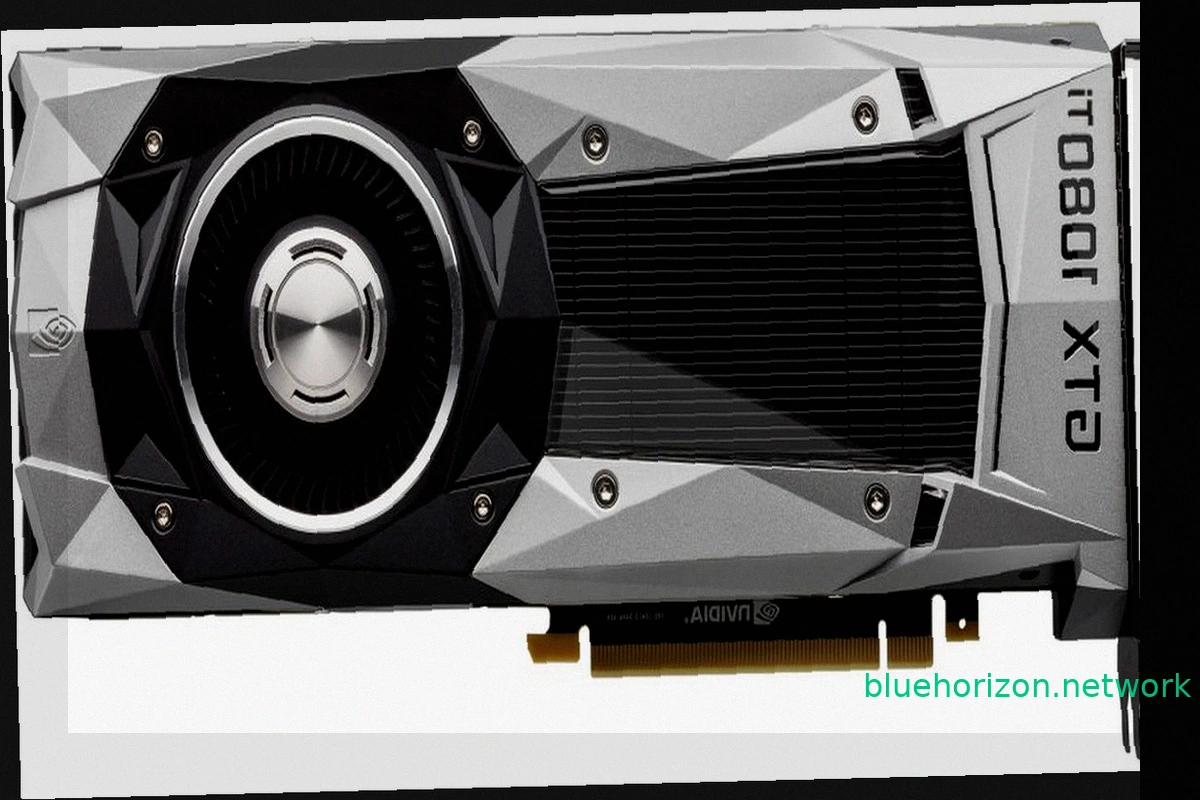
NVIDIA TITAN XP and GTX 1000 Series Achieve Windows XP Compatibility with Unofficial Forceware 382.69 Drivers
While modern PC components like RTX 50 graphics cards, Ryzen X3D CPUs, and high-speed RAM drive up costs, older hardware offers a budget-friendly alternative. A peculiar development now brings a degree of compatibility between older GPUs and Windows XP: the GTX 1000 series, including the TITAN

Google Wins AI Overviews Legal Battle Against Publishers
Google secured a significant court victory in the United States against publishers accusing the company of using their content to power AI Overviews. The core of the lawsuits was that these AI-generated summaries reduce website traffic. Federal Judge Amit P. Mehta of the District Court of Colu

Germany Launches Gaming-Focused Electricity Tariff with Consumption Rewards
German energy provider SWK Energie has introduced an unusual market segment for electricity: gamers. The company is promoting "meinGAMING," an electricity tariff designed for households with high energy consumption, specifically targeting gamers with powerful computers, streamers, and users wit

RuneScape 4 Announced: A New MMORPG Built on Unreal Engine
Jagex revealed RuneScape 4 (RS4) at RuneFest 2026. This new MMORPG, currently a working title, will be the fourth generation in the RuneScape franchise. The significant technological shift for this installment is its development on the Unreal Engine. While the specific version isn't confirmed, it
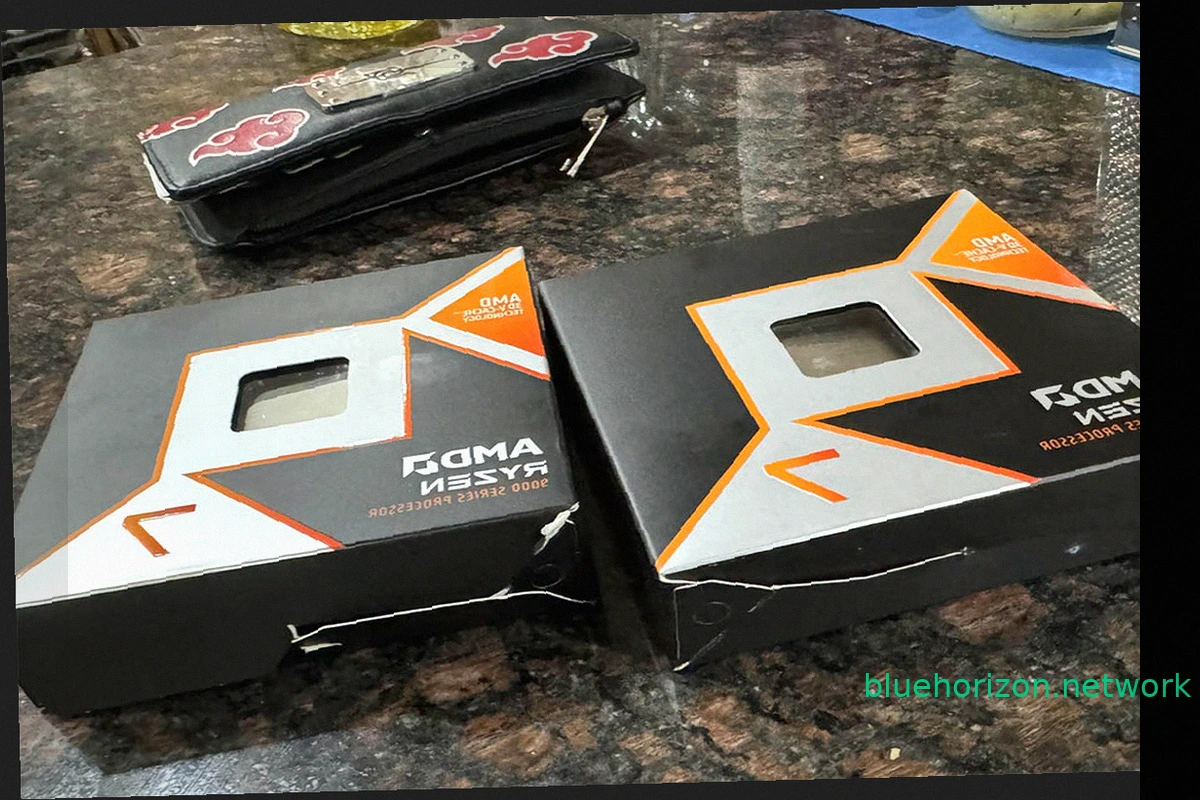
Ryzen 9850X3D Order Mix-Up: User Receives Intel Core i3-3220s Instead
AMD's gaming dominance, solidified by the Ryzen 7 7800X3D and its successor the 9800X3D, left Intel without comparable options. The subsequent release of the slightly faster Ryzen 9850X3D further cemented this lead. These processors are highly sought after by gamers. However, a recent Amazon o