Windows 11 Update: Support for Gaming Monitors Up to 5,000 Hz
When assembling a PC specifically for gaming, it's crucial to pair it with peripherals that can fully leverage the computer's hardware capabilities. For competitive gaming, investing in high-end peripherals is often paramount, necessitating a monitor with an exceptionally high refresh rate, alongside a responsive mouse and keyboard. While existing monitors typically offer refresh rates ranging from 144 Hz, 240 Hz, 360 Hz, 480 Hz, 540 Hz, and even up to 720 Hz (currently the fastest available options), Microsoft has taken a significant leap forward. The company has decided to dramatically expand this limit, allowing Windows 11 to support displays with refresh rates reaching an astonishing 5,000 Hz.
Selecting the ideal monitor requires understanding your primary priorities, whether they involve professional applications, general productivity, or gaming. For tasks demanding the most accurate color calibration, it is recommended to choose a display with 100% or near-100% color coverage, ideally complemented by a calibrator to ensure color precision. When it comes to gaming, your decision will hinge on personal preference: you can either prioritize superior image quality or opt for maximum visual fluidity.
Microsoft Removes 1,000 Hz Limit in Windows 11, Enabling Support for 5,000 Hz Monitors
For single-player video games, a high-resolution monitor, such as a 4K display running at 60 Hz or perhaps 120 Hz, is often sufficient, as refresh rates beyond this typically offer minimal additional benefit in this genre. Conversely, for competitive video games, particularly fast-paced shooters, a higher refresh rate provides a substantial advantage, ensuring greater fluidity and making it easier to acquire targets and land shots. While 144 Hz or 240 Hz monitors are commonly adopted, some enthusiasts demand even faster performance. The quickest commercially available monitors currently reach 720 Hz, with ASUS pioneering this technology, later joined by Acer and LG. Microsoft has now rolled out the Windows 11 update KB5079391, which enables the operating system to support monitors with refresh rates up to an incredible 5,000 Hz.
Although the concept of a 5,000 Hz monitor may seem far-fetched today, technological advancements are occurring at an unprecedented pace. While not yet available for general purchase, 1,000 Hz monitors were already showcased at CES 2026 earlier this year. Among these, the Philips Evnia 27M2N5500XD stands out, capable of achieving 540 Hz at a resolution of 2560 x 1440 pixels, or an impressive 1000 Hz when scaled down to 1280 x 720 pixels. Another display reaching this high refresh frequency is the AOC AGON Pro AGP277QK, which utilizes a 27-inch IPS panel and features Dual Mode. This allows users to choose between 1440p at 2K or 720p at 1,000 Hz, mirroring the functionality of the Philips model. A TCL CSOT display also demonstrated 4K resolution at 1,000 Hz.
2,000 Hz Monitors Expected as Early as 2030
This is merely the initial phase. Considering the rapid evolution where the maximum refresh rate has nearly doubled in three years—from 540 Hz in 2023 to 1,000 Hz in 2026—Microsoft's decision to support 5,000 Hz displays makes logical sense for future-proofing. In fact, industry projections anticipate that several brands will release 2,000 Hz monitors as soon as 2030.
As one might expect, these extraordinary advancements are partly made possible by technologies like NVIDIA's MFG (Multi Frame Generation), which is currently at its x6 iteration, meaning it can generate six times more frames per second (though with certain trade-offs upon activation). Beyond enhanced monitor support, the KB5079391 update for Windows 11 introduces a host of other new features. These include the addition of image descriptions in PC Copilot+ using the Narrator function, the capability to activate or deactivate SAC (System Audio Components), and various improvements implemented across account settings, File Explorer, and other miscellaneous system configurations.
Fresh materials — Technology News
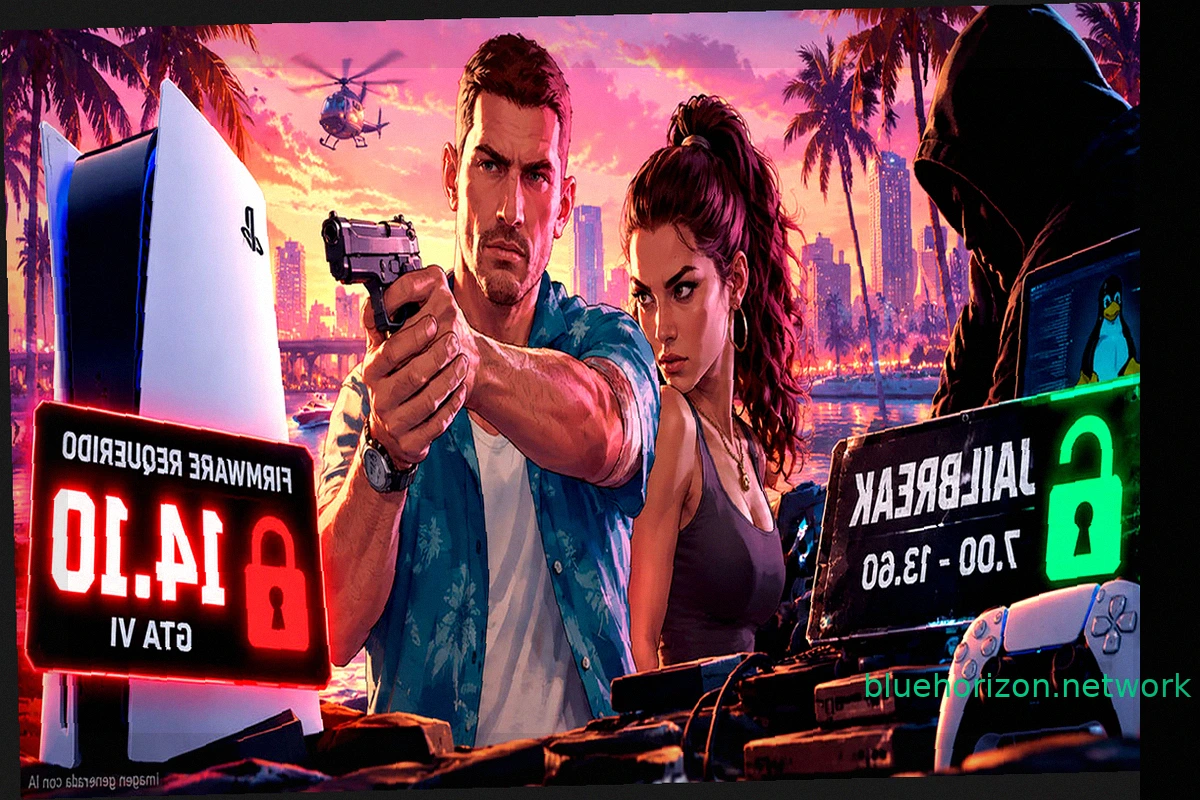
GTA VI: PlayStation 5 Firmware Update May Force Jailbreak Loss
Grand Theft Auto VI (GTA VI) is poised to create a dilemma for PlayStation 5 owners who wish to maintain their consoles with jailbreak-compatible firmware. According to data surfaced from the PlayStation Store backend by PlayStation Game Size, GTA VI will mandate at least PS5 firmware version
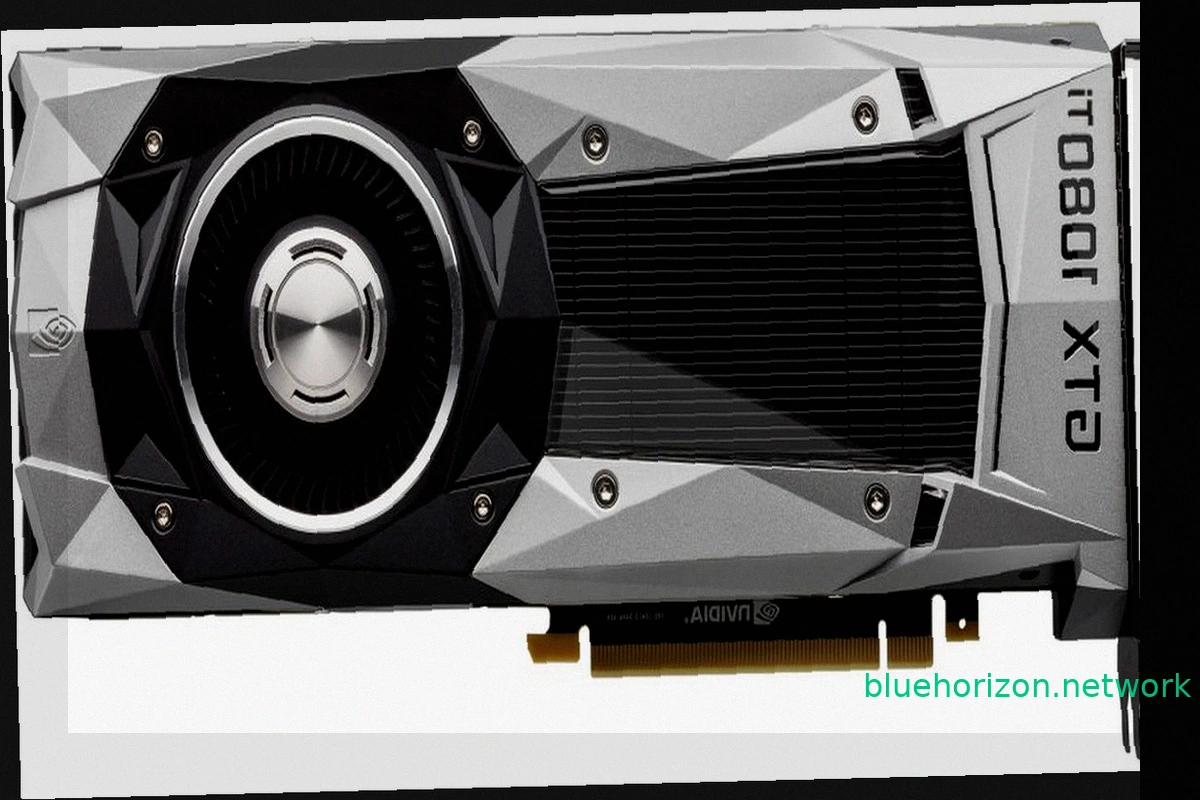
NVIDIA TITAN XP and GTX 1000 Series Achieve Windows XP Compatibility with Unofficial Forceware 382.69 Drivers
While modern PC components like RTX 50 graphics cards, Ryzen X3D CPUs, and high-speed RAM drive up costs, older hardware offers a budget-friendly alternative. A peculiar development now brings a degree of compatibility between older GPUs and Windows XP: the GTX 1000 series, including the TITAN

Google Wins AI Overviews Legal Battle Against Publishers
Google secured a significant court victory in the United States against publishers accusing the company of using their content to power AI Overviews. The core of the lawsuits was that these AI-generated summaries reduce website traffic. Federal Judge Amit P. Mehta of the District Court of Colu
Germany Launches Gaming-Focused Electricity Tariff with Consumption Rewards
German energy provider SWK Energie has introduced an unusual market segment for electricity: gamers. The company is promoting "meinGAMING," an electricity tariff designed for households with high energy consumption, specifically targeting gamers with powerful computers, streamers, and users wit
RuneScape 4 Announced: A New MMORPG Built on Unreal Engine
Jagex revealed RuneScape 4 (RS4) at RuneFest 2026. This new MMORPG, currently a working title, will be the fourth generation in the RuneScape franchise. The significant technological shift for this installment is its development on the Unreal Engine. While the specific version isn't confirmed, it
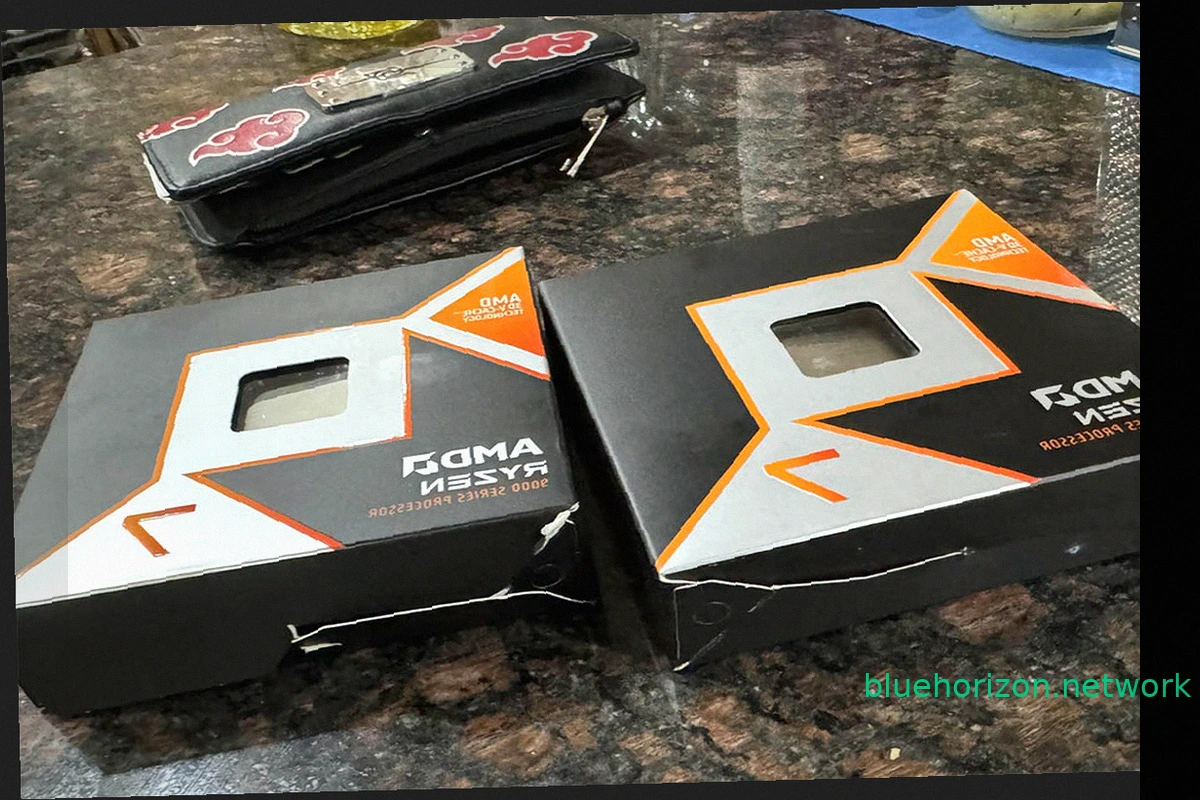
Ryzen 9850X3D Order Mix-Up: User Receives Intel Core i3-3220s Instead
AMD's gaming dominance, solidified by the Ryzen 7 7800X3D and its successor the 9800X3D, left Intel without comparable options. The subsequent release of the slightly faster Ryzen 9850X3D further cemented this lead. These processors are highly sought after by gamers. However, a recent Amazon o