
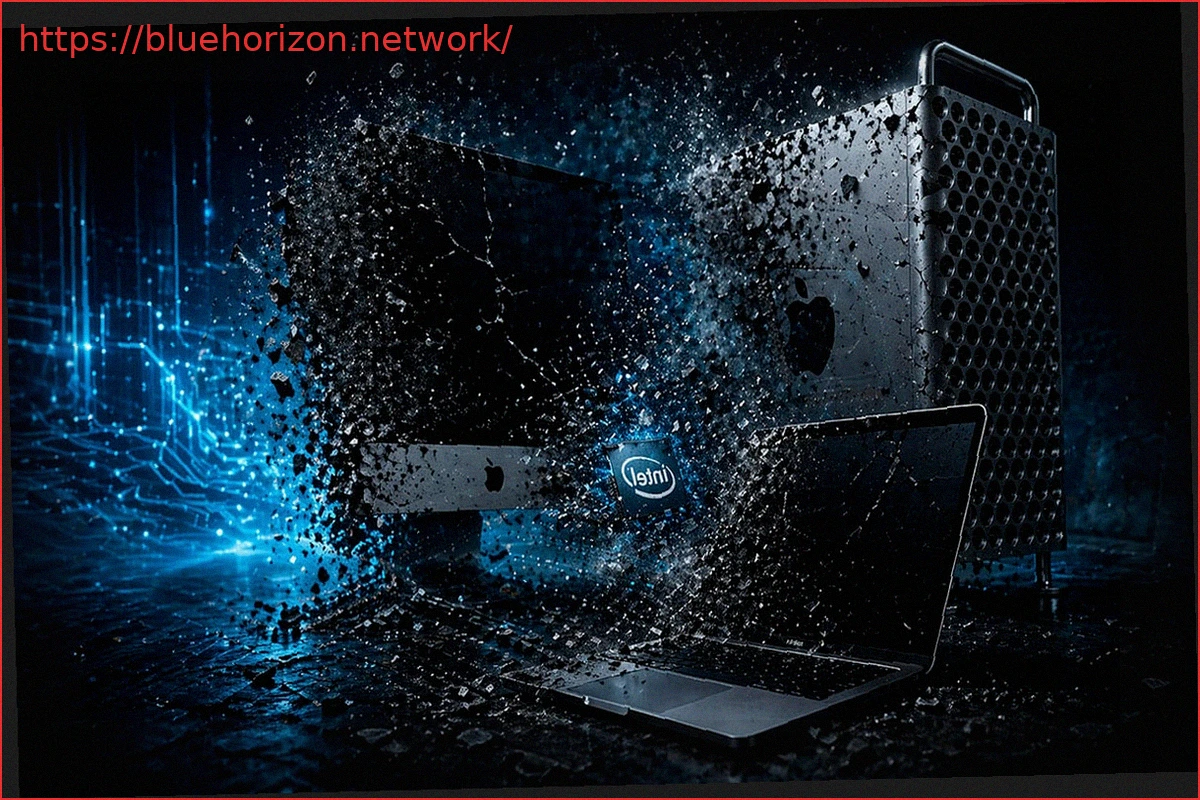
For owners of Mac computers with Intel processors, there’s significant news: Apple has announced that the major update macOS 27 will not support these devices. macOS 26, also known as macOS Tahoe, will be the final major macOS version compatible with Intel CPU-based machines. This development, while perhaps surprising to some, was anticipated. The shift was initially announced in 2025, and with WWDC 2026 approaching in June, it’s expected that macOS 27 will be unveiled as exclusive to Macs equipped with Apple Silicon SoCs.
It’s important to note that this does not mean these machines will become unusable or obsolete overnight. They simply will not receive the upgrade to macOS 27 and its associated enhancements. macOS 26 will continue to receive security updates for the next three years, ensuring users’ devices remain secure. Apple is not marking these devices for programmed obsolescence in 2026, but rather providing users with until 2029 to transition to an Apple Silicon Mac before their current Intel-based Macs become potentially insecure.
Intel Macs Dropped from macOS 27, But Rosetta 2 Will Persist
While Intel processor Macs won’t gain access to the new operating system version, Rosetta 2 will remain functional after the release of macOS 27. Rosetta 2 is the emulation layer that allows applications designed for Intel’s x86 processors to run on Apple Silicon Arm SoCs. Apple’s official support documentation states that Rosetta will be available in macOS 27. However, starting with macOS 28, only a limited version will be available, aimed at some older, unmaintained games that rely on Intel frameworks. This marks a more significant impact for users running Intel applications on Apple Silicon Macs, who will begin facing issues with macOS 28.
It’s also worth remembering that macOS 26 had already significantly reduced compatibility with Intel processors. The last models with full support are the 16-inch MacBook Pro (2019), 13-inch MacBook Pro (2020), iMac (2020), and Mac Pro (2019). Many older Intel Macs were phased out even before this final transition. Therefore, macOS 27 signifies the definitive end of Intel processors’ lifecycle in Apple computers.
If you own an Intel-powered Mac, everything will continue to function as usual. All your current applications will keep working, and your device will continue to receive security patches to protect against future vulnerabilities. However, the operating system will no longer incorporate any new features or changes introduced in macOS 27. For users with Apple Silicon Macs who still rely on older software originally compiled for Intel processors, Rosetta has moved beyond a transition phase into a retirement phase. This necessitates updating applications, plugins, extensions, and associated components. If updates are not available, with the arrival of macOS 28, users will need to replace such software with versions designed for Apple Silicon SoCs.