
Elizabeth Warren has once again placed Artificial Intelligence at the forefront of economic discussion with rather incendiary statements, not about what the technology can do, but about the immense amount of money, debt, and expectations accumulating around it. Warren, the Democratic Senator from Massachusetts, has a long history of involvement in financial regulation, consumer protection, and criticism of Wall Street. Therefore, her “bubble” discourse directly links the current AI frenzy to what happened before the 2008 crisis.
The event was organized by the Vanderbilt Policy Accelerator, and the theme was clear: what would happen if a potential AI bubble bursts, and how would we need to rebuild afterward. If the topic is already controversial, putting Warren in front of a microphone is guaranteed fire, and she did not disappoint.
Warren Slams Tech Companies, Indirectly Stating AI is a Bubble Set to Burst
We’ve said it many times, but is AI a bubble or not, driven by the need to win the race at any cost? Opinions vary widely, and financial analyses abound, but as always, experience is an advantage if you want to dissect the present while looking to the future, and Warren is very clear on this, stating:
“I know a bubble when I see one.”
Warren does not deny that Artificial Intelligence has potential. In fact, she begins by admitting that this technology can bring new capabilities and inventions. The problem, according to her, lies in the financial behavior being orchestrated around it: large tech companies spending enormous sums to dominate the market, with revenue projections that have yet to materialize.
“The parallels to the 2008 financial crisis are striking.”
This striking phrase hides brutal macroeconomic data where hardware and software are consuming everything. In fact, the comparison to 2008 occupies a significant portion of her speech. Warren recalls that before that crisis, there was also euphoria, deregulation, opaque financial products, and many ignored warnings.
Then came the blow: nearly $20 trillion in household wealth disappeared, millions of people lost their jobs, homes, or savings, and Wall Street received a $700 billion bailout. Clearly, Warren expressed herself fully:
“The reckless behavior of a few billionaires and Big Tech CEOs has turned a promising technology into a risk for our entire financial system.”
AI Services Will Become More Expensive, Are Unsustainable, and Not Accessible to Many
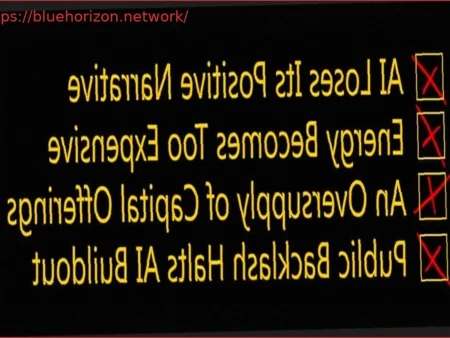
The most critical point arises when discussing AI’s financial figures. According to Warren, companies in the sector are on track to spend trillions of dollars on data centers, chips, and infrastructure. To justify this investment, the industry would need to generate about $2 trillion annually in revenue by 2030. In 2025, according to her speech, it generated $20 billion, and the trend is not that bullish.
“The mismatch between investment and demand is spectacular, and not in a good way.”
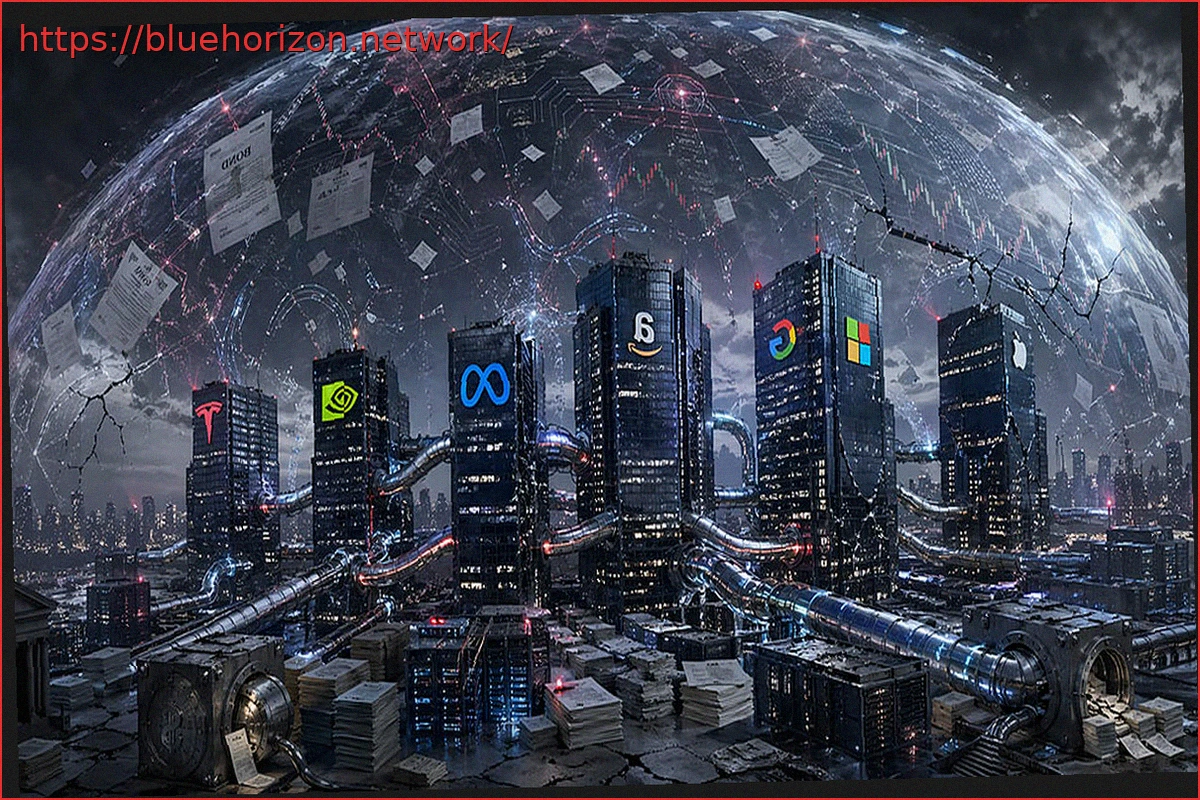
She also points to the role of debt. Warren states that AI companies are resorting to massive loans, private credit funds, and complex structures, while large banks finance the system directly and indirectly.
“AI companies have a growing addiction to debt.”
The final warning is simple to understand: if revenues do not rise fast enough, these companies may be unable to repay their debts. And if the first major stumble occurs, fear could spread throughout the financial system.
“The first major stumble will cause everyone to rush for the exit. A crash in the AI industry threatens our entire economy.“
For Warren, the risk would not end in Silicon Valley. It could affect retirements, credit, employment, small businesses, and sectors not even directly related to AI. Her closing remarks are against public bailouts. Warren accuses AI companies of knowing the risks and yet preparing the ground to ask for guarantees or taxpayer money if everything goes wrong. If she is right, a technological collapse is looming that will drag down more sectors; if they succeed, it will be the greatest revolution humanity has ever seen. Perhaps it will be both: first a collapse after impossible investments, then recovery, stabilization, and expansion.