NVIDIA представила свои первые процессоры RTX Spark для компьютеров Windows. Эти чипы, ранее известные как NVIDIA N1X, призваны конкурировать с предложениями от Intel, AMD, Qualcomm и даже Apple, и будут работать под управлением Windows 11 на архитектуре Arm. Отличительной особенностью RTX Spark является интеграция графического процессора NVIDIA Blackwell, что выводит производительность на новый уровень, сравнимый с традиционными игровыми и профессиональными ноутбуками.
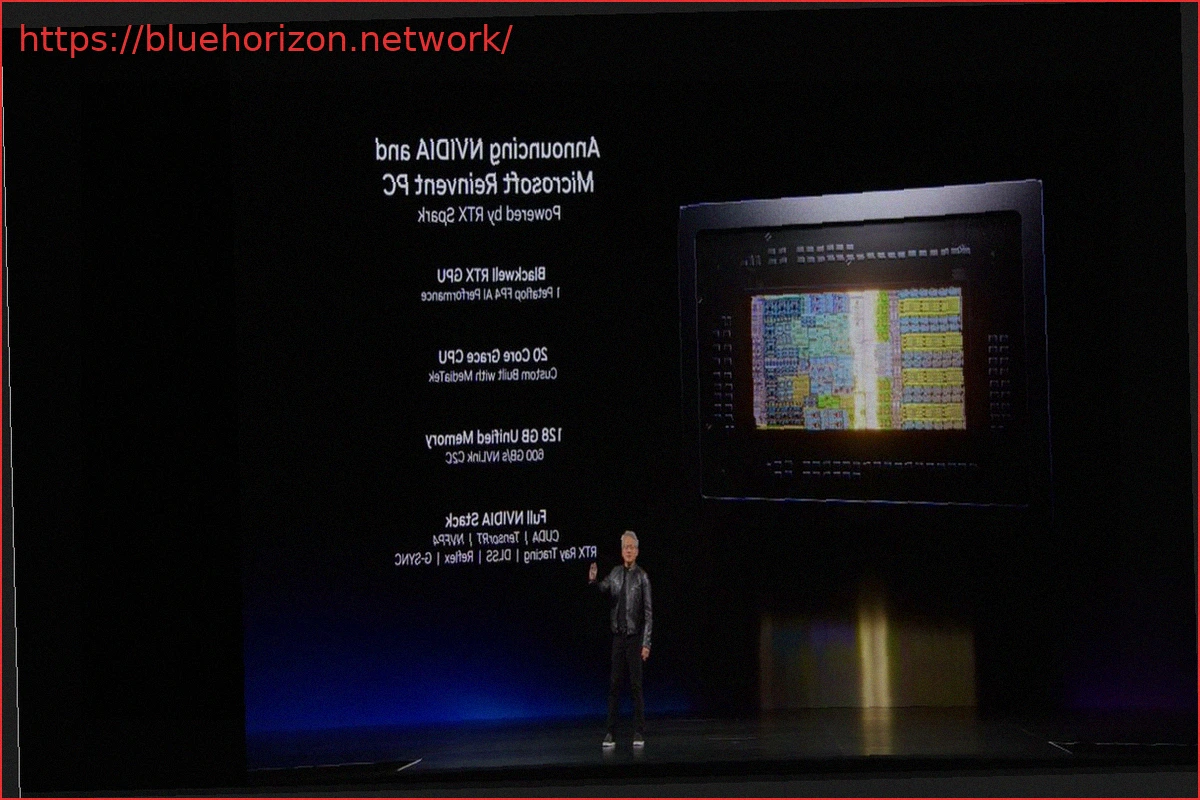
Технические характеристики RTX Spark включают 20-ядерный CPU NVIDIA Grace на архитектуре Arm, объединенный с GPU NVIDIA Blackwell RTX с 6144 ядрами CUDA. Эти компоненты соединены с помощью межсоединения NVLink-C2C. NVIDIA сотрудничала с MediaTek в разработке пользовательского дизайна CPU, что подчеркивает серьезные намерения компании на рынке полных процессорных решений, а не только дискретных видеокарт.
Ключевым преимуществом RTX Spark является его способность обрабатывать задачи искусственного интеллекта локально. NVIDIA заявляет, что процессоры смогут запускать языковые модели объемом до 120 миллиардов параметров с контекстом до 1 миллиона токенов, а также генерировать видео в 4K с помощью ИИ. Производительность в сфере ИИ достигает 1 петафлопса. Система поддерживает до 128 ГБ унифицированной оперативной памяти и полностью совместима с экосистемой CUDA/RTX. Кроме того, RTX Spark позволит рендерить 3D-сцены объемом более 90 ГБ, редактировать видео в формате 12K 4:2:2 и играть в AAA-игры с трассировкой лучей, DLSS и Reflex на разрешении 1440p с частотой более 100 FPS.
Программное обеспечение — ключ к успеху
Microsoft активно адаптирует Windows 11 для поддержки этой новой платформы. Планируются улучшения в планировщике задач (Workload Profile Scheduling), поддержка Microsoft Power and Thermal Framework для управления энергопотреблением и температурой, оптимизации для унифицированной памяти и улучшения эмулятора Prism, позволяющего запускать x86-приложения на Windows on Arm. Успех RTX Spark во многом будет зависеть от количества нативно поддерживаемых Arm-приложений по сравнению с теми, которые полагаются на эмуляцию.
В области создания контента NVIDIA анонсировала тесное сотрудничество с Adobe. Photoshop и Premiere получат оптимизацию для RTX Spark, обещая удвоение производительности в задачах, связанных с ИИ, редактированием, цветокоррекцией и эффектами. Premiere будет использовать новый конвейер обработки видео, задействующий унифицированную память, GPU Blackwell и TensorRT. Photoshop получит оптимизацию для композитинга, фильтров, HDR и современных кистей.
Microsoft также подчеркивает поддержку нативного программного обеспечения на Arm, включая Blender, DaVinci Resolve, Maxon Cinema4D, Redshift, Topaz Photo, CapCut, Cubase, Bitwig Studio, Affinity и MATLAB, а также инструменты для разработки и ИИ, такие как GitHub Copilot, Claude Code, ComfyUI, Cursor, TensorRT, PyTorch, llama.cpp, Hugging Face, Unsloth и Kohya.
В сфере игр Microsoft отмечает прогресс в поддержке античитов, таких как Easy Anti-Cheat и BattlEye, доступность приложения Xbox на ПК и появление таких игр, как League of Legends, VALORANT, PUBG: Battlegrounds, Alan Wake 2, Naraka: Bladepoint и War Thunder. Ожидается, что выход NVIDIA на рынок Arm-процессоров стимулирует разработчиков к большей поддержке этой платформы.
Первые устройства с NVIDIA RTX Spark выйдут осенью
Первые устройства на базе NVIDIA RTX Spark появятся этой осенью от таких производителей, как ASUS, Dell, HP, Lenovo, Microsoft Surface и MSI. Позднее к ним присоединятся Acer и GIGABYTE. Microsoft также анонсировала Surface Laptop Ultra — первый ноутбук Surface с GPU NVIDIA Blackwell RTX, который обещает до 128 ГБ унифицированной памяти, поддержку CUDA, 1 петафлопс производительности в ИИ и возможность локального запуска моделей с 120 миллиардами параметров.
Новые процессоры RTX Spark будут доступны не только в ноутбуках, но и в мини-ПК, а также в полноразмерных настольных компьютерах. NVIDIA не предоставила сравнительных данных производительности с конкурентами (Intel, AMD, Apple, Qualcomm) или информацию о ценах, но ожидается, что устройства будут относиться к премиальному сегменту.
NVIDIA RTX Spark: First NVIDIA Processors for Windows on Arm
NVIDIA has unveiled its first RTX Spark processors for Windows PCs. These chips, previously rumored as NVIDIA N1X, are designed to compete with offerings from Intel, AMD, Qualcomm, and even Apple, and will run on Windows 11 for Arm. A key distinguishing feature of RTX Spark is the integrated NVIDIA Blackwell GPU, which elevates performance to levels comparable with conventional gaming and professional laptops.
Technically, NVIDIA RTX Spark combines a 20-core NVIDIA Grace CPU on Arm architecture with an NVIDIA Blackwell RTX GPU featuring 6,144 CUDA Cores. These components are interconnected using NVLink-C2C. NVIDIA collaborated with MediaTek on the custom CPU design, signaling a serious commitment to the full PC chip market, not just discrete graphics cards.
A major draw for RTX Spark is its local AI processing capability. NVIDIA claims that RTX Spark will enable the execution of language models with up to 120 billion parameters and contexts of up to 1 million tokens, as well as AI video generation in 4K. The processors deliver up to 1 petaflop of AI performance and support up to 128 GB of unified RAM, with full compatibility with the CUDA/RTX ecosystem. Additionally, RTX Spark will handle rendering 3D scenes exceeding 90 GB, editing 12K 4:2:2 video, and playing AAA titles at 1440p above 100 FPS with ray tracing, DLSS, and Reflex.
Software Will Be Crucial for Performance
Microsoft, for its part, is adapting Windows 11 to make this platform viable. The company is implementing improvements to the task scheduler via Workload Profile Scheduling, supporting the Microsoft Power and Thermal Framework for power and thermal management, optimizing for unified memory, and enhancing Prism, the emulator that allows running x86 32-bit and 64-bit applications on Windows on Arm. This is vital, as RTX Spark uses Arm architecture, meaning the platform’s success will heavily depend on how many applications run natively versus relying on emulation, which is still a significant number.
In content creation, NVIDIA has announced a close collaboration with Adobe. Photoshop and Premiere will be optimized for RTX Spark, promising up to twice the performance in AI workflows, editing, color, and effects. Premiere will feature a new video pipeline leveraging unified memory, the Blackwell GPU, and TensorRT, while Photoshop will receive optimizations for GPU-accelerated compositing, live filters, HDR, and modern brushes. These improvements are expected to arrive with the first RTX Spark devices.
There is also a clear focus on the native Arm software ecosystem. Microsoft highlights applications such as Blender, DaVinci Resolve, Maxon Cinema4D, Redshift, Topaz Photo, CapCut, Cubase, Bitwig Studio, Affinity, and MATLAB, alongside AI and development tools like GitHub Copilot, Claude Code, ComfyUI, Cursor, TensorRT, CUDA-accelerated PyTorch, llama.cpp, Hugging Face, Unsloth, and Kohya.
For gaming, Microsoft points to advancements with native anti-cheats like Easy Anti-Cheat and BattlEye, support for the Xbox app on PC, and the arrival of titles such as League of Legends, VALORANT, PUBG: Battlegrounds, Alan Wake 2, Naraka: Bladepoint, and War Thunder. It’s clear that NVIDIA’s entry into the Arm space will significantly change developer passivity.
First NVIDIA RTX Spark Devices Arriving This Autumn
The first NVIDIA RTX Spark devices will arrive this autumn from ASUS, Dell, HP, Lenovo, Microsoft Surface, and MSI, with Acer and GIGABYTE models to follow. Microsoft has also announced the Surface Laptop Ultra, the first Surface laptop featuring an NVIDIA Blackwell RTX GPU. These devices boast up to 128 GB of unified memory, CUDA support, 1 petaflop of AI compute, and the ability to run models with up to 120 billion parameters locally.
The surprise is perhaps even greater because we will see not only laptops with NVIDIA RTX Spark processors but also mini-PCs and even conventional desktop computers with mid-tower cases. NVIDIA has entered the market aiming for broad expansion across all computer segments, not solely focusing on laptops.
It’s also noteworthy that NVIDIA did not provide any performance comparisons against Intel, AMD, Apple, or Qualcomm. The company also offered no details regarding pricing, though it is evident that these devices, targeting the premium market, will be expensive.