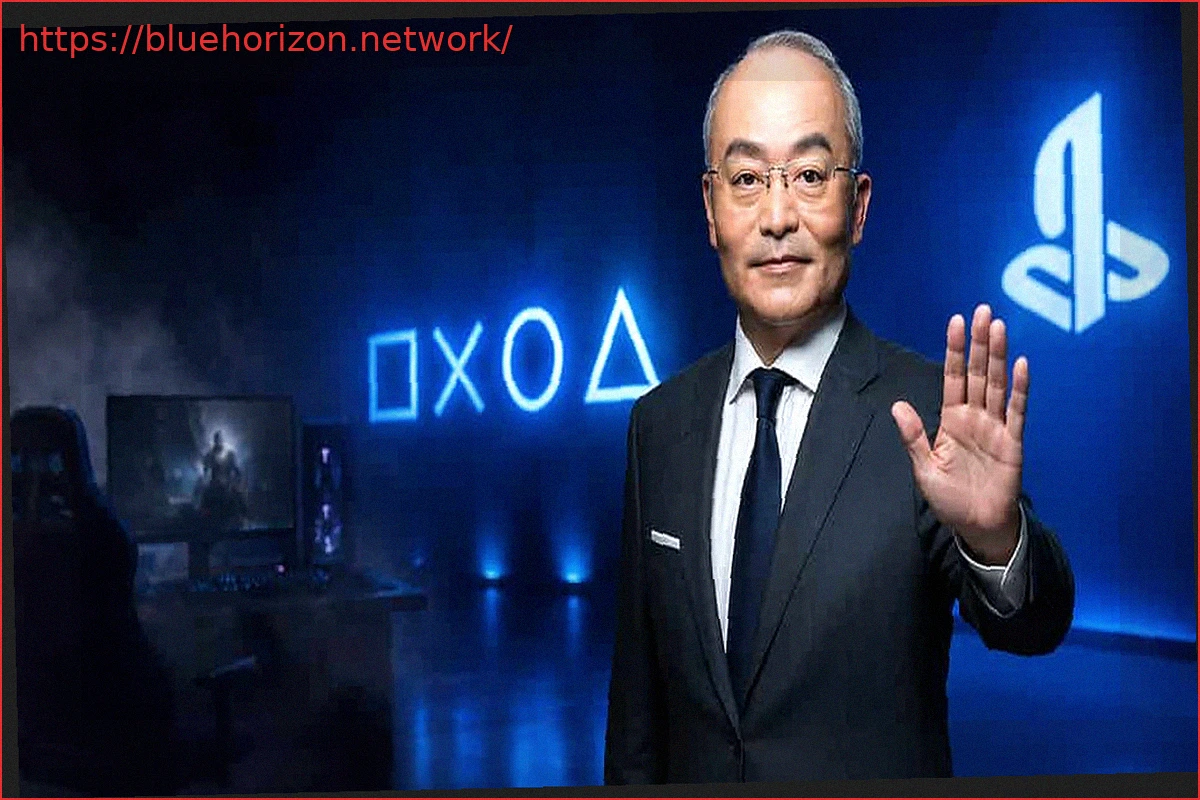
Sony is actively pursuing PC gamers lost during the COVID-19 pandemic and is positioning the upcoming PS6 as the central response. The company envisions the future console not merely as a more powerful device tethered to a living room TV, but as a versatile platform incorporating advanced technology and diverse usage scenarios. This approach is designed to appeal to gamers using desktops, personal monitors, and other setups where PC gaming experienced significant growth in recent years.
During the Game & Network Services Segment Small Meeting, investors directly questioned Sony about its strategy to reclaim users who migrated to PC gaming during COVID-19 and whether the company sees room for substantial changes to its next-generation platform to drive business growth. Sony’s response evidently satisfied attendees.
Sony Pledges to Reclaim PC Gamers Lost During the Pandemic with its New PS6
Sony’s answer was clear and unambiguous. The company acknowledged that PlayStation has long been associated with living room gaming, yet in recent years, a growing number of users worldwide have shifted to gaming on dedicated monitors rather than TVs.
This observation highlights a crucial point: Sony is focusing not just on raw performance, teraflops, or game libraries, but also on user habits, an area where companies like Nintendo excel. During the pandemic, the PC became a central hub for work, leisure, communication, and gaming for many. Consequently, PlayStation became more strongly associated with the classic console-under-the-TV concept, while PCs gained prominence on desks, in bedrooms, and in personalized gaming setups. The emergence of devices like the Steam Deck further complicates the landscape for Sony.
In response, the Japanese company explained that it is selling peripherals such as monitors and speakers to dismantle the fixed perception that “PlayStation equals the living room” and to expand the contexts in which its platform is used. This aligns with products like the INZONE monitors, headphones, speakers, and the PlayStation Portal. All these offerings aim to reposition PlayStation away from the image of a family console placed next to the television and closer to users who game in their personal space, with their own displays, audio setups, and daily routines.
Focus on Approach Over Hardware and Price for Now
Sony’s most impactful statement concerns the next generation: rather than simply serving as a PC alternative, the company aims to offer a unique PlayStation value proposition.
While Sony did not explicitly mention the PS6 by name in its response, referring to it as the “next-generation platform,” the message clearly points to the generational leap following the PS5. The objective is not to sell a console in a box that competes with a PC component by component (a subtle nod to Valve’s Steam Machine from Japan with affection), but rather to deliver an experience that integrates hardware, services, accessories, a game library, and more flexible gaming styles.
The company further stated that this next generation will feature technological advancements and an expansion of usage styles, providing a seamless experience that can be naturally enjoyed beyond the living room.
The phrase “beyond the living room” encapsulates Sony’s new strategic direction for gaming. Sony recognizes that the PC gained ground as user habits shifted. Therefore, the next PlayStation must respond with greater power, enhanced usage formats, and a proposition less confined to the traditional TV, regardless of its OLED, 4K, or 165Hz capabilities.
The PS6, or whatever Sony ultimately names its new platform, will need to win back the players who moved to PC without merely becoming another PC. This means avoiding a direct copy of Valve’s approach, Project Helix, or mimicking Nintendo. The specifics of how they will achieve this appear to be the most valuable information at Sony’s headquarters currently, even more so than the PS6’s hardware or price.