Windows 11 26H2 Reduces RAM Consumption by Up to 2 GB, But 8 GB Machines Still Struggle
Windows 11 26H2 is rolling out optimizations for RAM management. Some users report a noticeable decrease in RAM usage after installing this update, with certain systems showing a reduction of up to 2 GB compared to Windows 11 25H2 upon startup. However, initial findings suggest this improvemen
Windows 11 26H2 is rolling out optimizations for RAM management. Some users report a noticeable decrease in RAM usage after installing this update, with certain systems showing a reduction of up to 2 GB compared to Windows 11 25H2 upon startup. However, initial findings suggest this improvement isn't uniform across all computers.
The optimization's impact is most evident on machines with ample memory, such as those with 32 or 48 GB. In contrast, systems equipped with just 8 GB of RAM remain near their limit, sometimes hitting 96% memory utilization. This means the optimization is practically unnoticed by the average user, while those already struggling with limited memory see no benefit. This is particularly relevant as laptops with 8 GB of RAM have become common, an economical solution amid rising RAM prices and competition from devices like MacBook Air.
Windows 11 26H2 Can Lower RAM Usage by Approximately 2 GB
One user on Reddit shared that their system, which previously used around 6.9 GB of RAM at startup, now consumes 4.8 to 5 GB after installing Windows 11 26H2, a reduction close to 2 GB. This observation was made on a machine with 48 GB of memory, so the performance impact is minimal for a system already well-equipped.
Similar results were noted by another user on X. Comparing Windows 11 25H2 and 26H2, they saw RAM usage drop from 9.1 GB to 7.5 GB, freeing up about 1.6 GB of RAM. This machine has 32 GB of memory, reinforcing the pattern that the most significant improvements are currently seen on configurations with more generous RAM capacities.
Within the Reddit thread, other users have reported RAM reductions of up to 3 GB, while some noticed no change at all. Significant discrepancies were also observed between computers with the same Windows 11 26H2 version. For example, one 16 GB PC might idle around 4 GB of RAM, while another 16 GB laptop could use nearly 10 GB. This highlights how background services, startup applications, manufacturer software, and hardware configuration can influence memory usage.
8 GB Machines Continue to Suffer: Windows 11 Can Consume Up to 96% of RAM
The situation is drastically different for systems with limited memory, specifically those with only 8 GB of RAM. One user's screenshot showed Windows 11 26H2 using 7.4 of 7.7 GB of available RAM, which is approximately 96% of usable memory, leaving only 333 MB free. In this scenario, the update did not offer a discernible reduction in RAM consumption compared to the previous version. Running even one or two background applications on such a system could easily lead to memory exhaustion and performance issues.
This is particularly critical because systems with 8 GB of RAM would benefit most from a 1 or 2 GB reduction in Windows' base RAM usage. With memory nearly full, the system frequently relies on the SSD's page file. This increases latency and can cause stuttering when multiple applications or programs demanding significant RAM are opened, such as Google Chrome. Some users with 16 GB of RAM also reported in the Reddit thread that Windows fills up memory and begins swapping earlier than expected.
This optimization is one of several introduced in Windows 11 26H2. Microsoft is expected to continue refining its operating system with 8 GB and 16 GB devices in mind. As RAM prices continue to rise, 8 GB and 16 GB configurations will become increasingly standard through 2026 and 2027. To retain users against macOS and Linux, Microsoft must prioritize optimizing Windows 11's resource consumption.
Fresh materials — Technology News
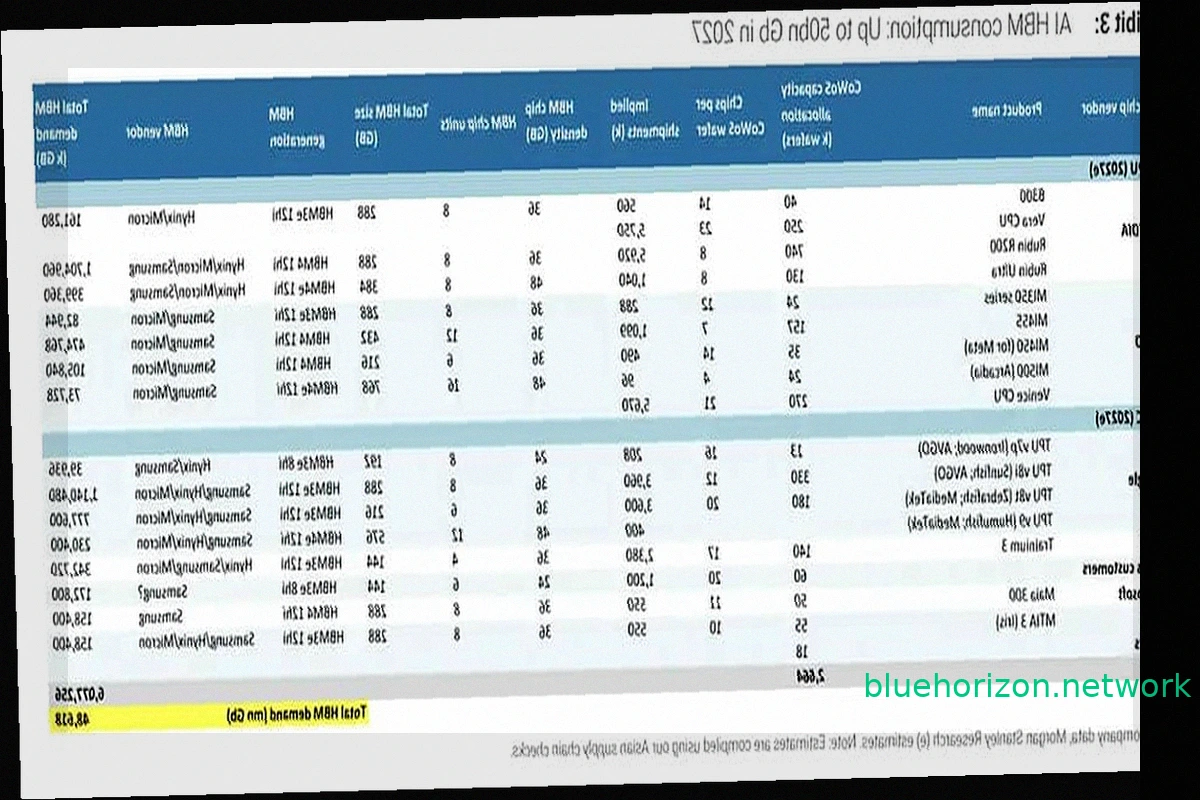
NVIDIA, Google, and AMD Poised to Control 85% of HBM Memory Demand by 2027
The "you'll own nothing and be happy" meme is finding a parallel in hardware, specifically memory. NVIDIA, Google, and AMD are set to command 85.4% of the global High Bandwidth Memory (HBM) demand by 2027, according to Morgan Stanley estimates. These three buyers will largely dictate the pace

RTX 5090 fails with DLSS 5 after 48 hours for Chinese streamer
NVIDIA's RTX series introduced Tensor Cores, enabling technologies like DLSS. Early DLSS versions offered a noticeable drop in image quality compared to native resolution. DLSS 2 brought significant improvements, and DLSS 3 achieved parity or even superiority over native rendering. DLSS 4 cont
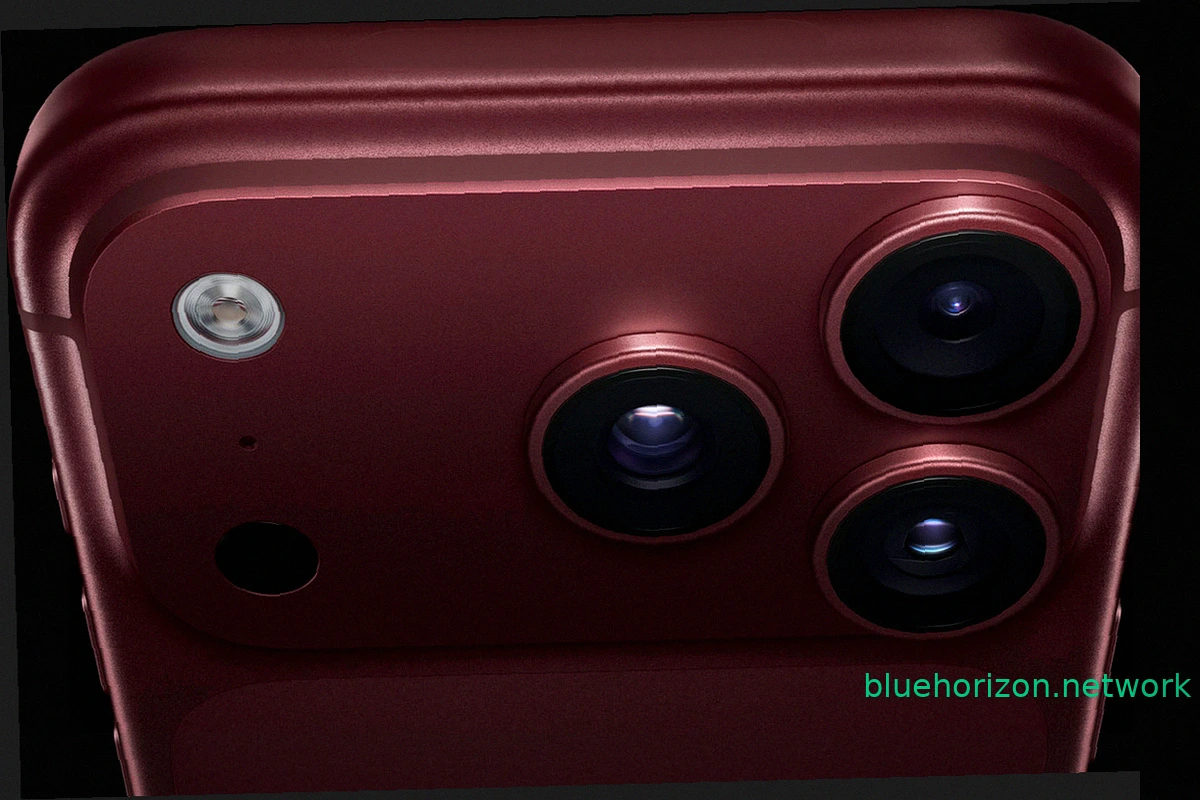
iPhone 18 Pro's Vapor Emulator Matches GTX 1650 Performance in GTA V
Apple set the standard for modern smartphones with its first iPhone in 2007, a benchmark that Android platforms later strived to meet in terms of performance. This led to a competitive era where advancements in mobile technology were consistently matched and surpassed by rivals. Today, Apple ap
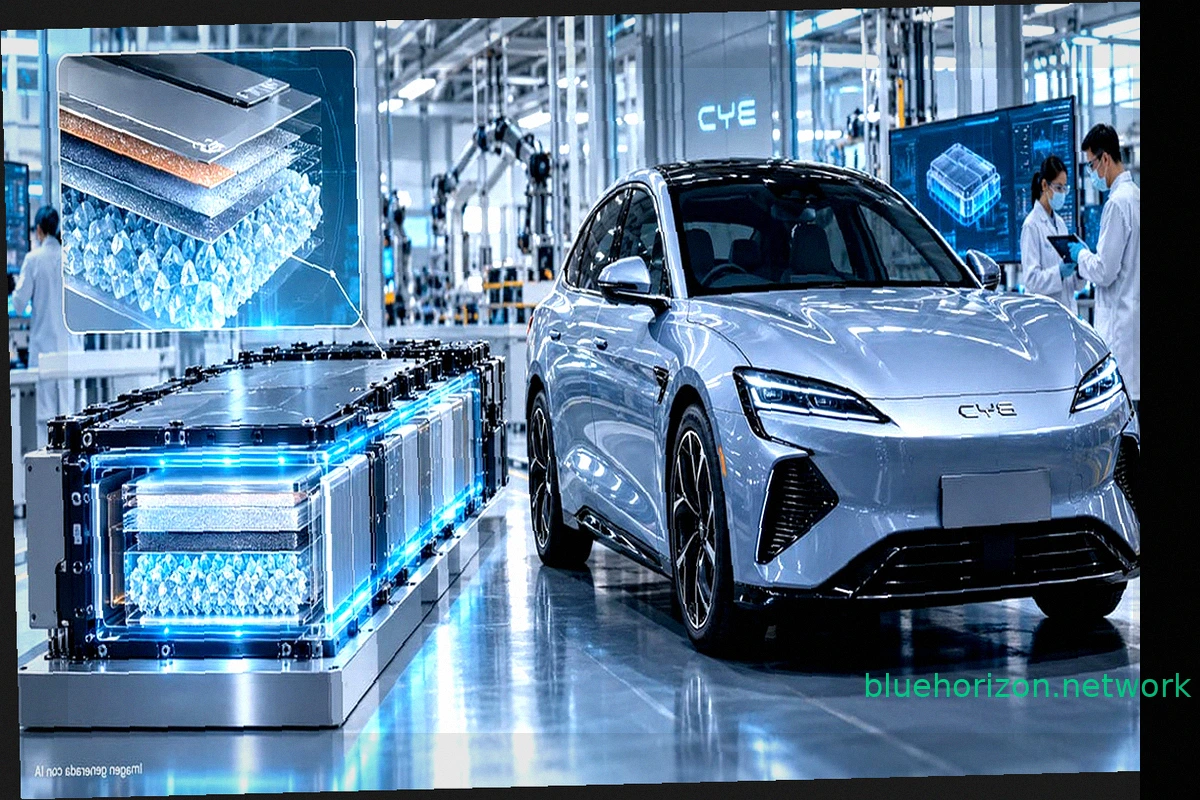
BYD to Launch Electric Cars with Solid-State Batteries in 2027: Increased Range, Faster Charging
Chinese manufacturer BYD is set to integrate its first solid-state batteries into electric cars in 2027. This technology represents a major generational leap for electric vehicles. Stella Li, BYD's executive vice president, stated the company is technologically and commercially advanced, confi
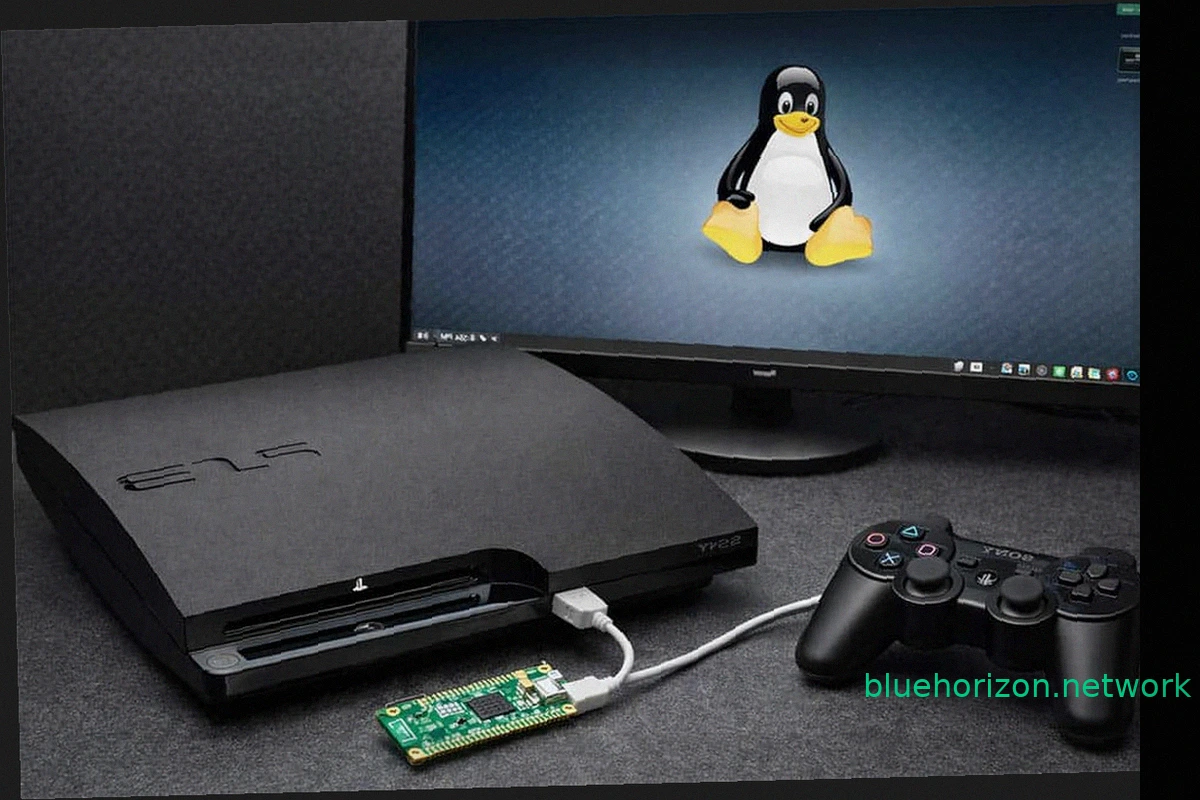
Hackers Comprometen el Gestor de Arranque de PS3: Firmware Personalizado al Alcance
Tras 20 años desde su lanzamiento, la comunidad de hackers ha descubierto una nueva vulnerabilidad en la PlayStation 3. Un grupo ha accedido al gestor de arranque (bootloader) de los modelos PS3 Slim y Super Slim, permitiendo teóricamente la instalación de firmware personalizado. Las consol
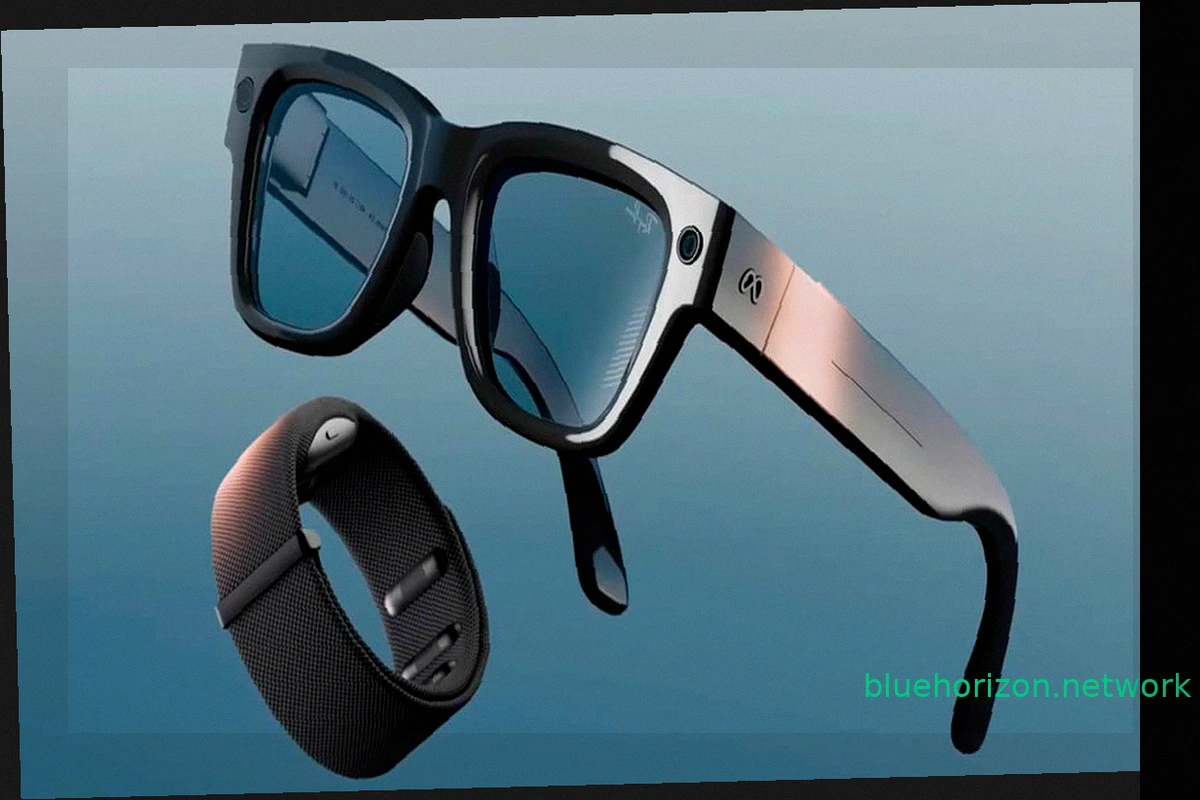
AI Glasses Trend: Shipments Surge 263% in H1 2026
The market for AI-powered glasses is experiencing unprecedented growth. Global shipments of these devices increased by 263% in the first half of 2026 compared to the same period in 2025, according to Counterpoint Research. Notably, this surge is driven by glasses without augmented reality disp