
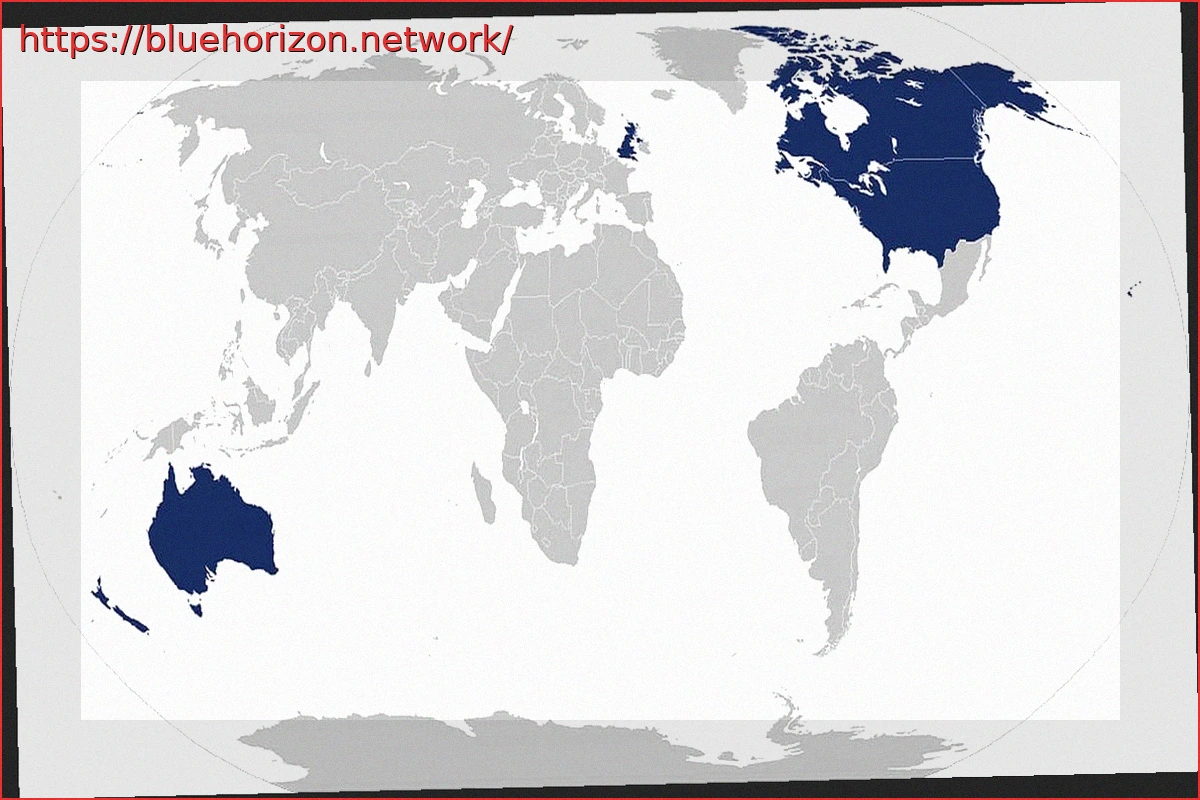
The Five Eyes intelligence alliance, comprising five leading cybersecurity nations, has issued a written warning directly impacting businesses, governments, and technology providers. They state that Artificial Intelligence (AI) is already escalating cybersecurity risks, and the window for response is rapidly shrinking. The United States, the United Kingdom, Canada, Australia, and New Zealand are not referring to a distant problem but a shift that could occur within months, with frontier AI models capable of significantly altering both offensive and defensive cybersecurity capabilities.
The alert is signed by the U.S. NSA, CISA, the UK’s NCSC, New Zealand’s NCSC, the Canadian Centre for Cyber Security, and the Australian Cyber Security Centre. In a concise document, they explain that these advanced AI models can surpass current industry expectations and transform cybersecurity capabilities, with a timeline now measured in months rather than years.
Five Eyes Confirms AI is Reshaping Cybersecurity at an Unprecedented Pace
The primary risks lie in speed, scale, and automation. While AI can undoubtedly enhance defenses, it can also empower attackers to discover vulnerabilities, prepare attacks, chain exploitation steps, and dramatically reduce the time between identifying and exploiting a weakness. Consequently, Five Eyes emphasizes a critical point: delayed patching will become increasingly perilous, especially when dealing with novel vulnerabilities, unknown flaws, and zero-day exploits that lack immediate solutions upon their discovery.
The practical recommendations of the alert are directed towards businesses, public organizations, and technology providers, who are the most significantly affected due to their importance and scale. The five agencies urge them to reduce their attack surface, limit unnecessary access, scrutinize systems connected to the internet, and isolate anything that does not need to be exposed. These are fundamental common-sense measures, as broader general actions are limited.
They also advocate for accelerated patching, the retirement of old or unsupported systems, and the recognition of legacy technology as a genuine liability for any organization relying on it. The document also addresses manufacturers and suppliers with a clear directive: secure-by-design and secure-by-default must become standard practices, not mere presentation promises. The gap between this request and its actual implementation remains substantial.
The Challenge of Legacy and New Software
Security must be intrinsically integrated into product design and enabled by default. Leaving it as an optional configuration increases risk from the outset. This may seem obvious, but those working in systems and cybersecurity likely experience increased stress from such recurring issues.
Furthermore, the concept of defense-in-depth is crucial, meaning organizations should not rely on a single tool, layer, or miraculous solution. Five Eyes stresses the need to strengthen identity, authentication, permissions, segmentation, response plans, internal testing, and team training. This approach acknowledges that incidents are inevitable, and the key differentiator will be the ability to detect, contain, and recover quickly, given the accelerated pace of AI-driven threats.
The other aspect of the warning is that Artificial Intelligence should also be leveraged for improved defense, earlier vulnerability detection, enhanced software quality, anomaly detection, and faster incident response. In essence, Five Eyes does not solely portray AI as a threat but unequivocally states that those who continue with slow patching, outdated systems, and poorly controlled access will face increasingly limited margins for error.
Five Eyes Cybersecurity AI Alert: Attacks in Months, Patching Race, Businesses & Governments Vulnerable
The Five Eyes intelligence alliance has issued a serious warning regarding the escalating risks posed by Artificial Intelligence in cybersecurity. They anticipate that sophisticated AI-driven attacks could materialize within months, necessitating a rapid and intensive patching process that will put businesses and governments in a precarious position.
Five Eyes, a consortium of five of the world’s most advanced cybersecurity intelligence agencies, has formally communicated a critical alert. This warning directly targets businesses, government entities, and technology providers, highlighting that AI is accelerating cybersecurity threats. The time available to react to these evolving risks is diminishing rapidly. Representatives from the United States, the United Kingdom, Canada, Australia, and New Zealand are not discussing a future concern but a present reality that could fundamentally alter the cybersecurity landscape within months, driven by frontier AI models capable of impacting both offensive and defensive strategies.
The joint advisory is endorsed by prominent organizations including the U.S. NSA, CISA, the UK’s NCSC, New Zealand’s NCSC, the Canadian Centre for Cyber Security, and the Australian Cyber Security Centre. This concise document asserts that advanced AI models are poised to exceed current industry expectations, leading to significant shifts in cybersecurity offensive and defensive capacities. The projected timeline for these changes is now measured in months, rather than years.
Five Eyes Confirms AI is Revolutionizing Cybersecurity at an Unmanageable Speed
The principal dangers are identified as the speed, scale, and automation that AI introduces. While AI offers significant potential for improved security, it equally empowers malicious actors. Attackers can leverage AI to more efficiently identify flaws, orchestrate attacks, link exploitation stages, and drastically shorten the window between discovering a vulnerability and successfully exploiting it. Consequently, the Five Eyes alliance is exerting pressure on a specific imperative: delayed patching will become increasingly hazardous, particularly when confronted with new types of vulnerabilities, previously unknown flaws, and zero-day exploits that have no immediate countermeasures.
The practical implications of this alert are directed towards businesses, public sector organizations, and technology vendors, who are the primary stakeholders due to their operational importance and the scope of their digital infrastructure. The five agencies are calling for critical actions such as reducing the attack surface, limiting unnecessary access privileges, thoroughly auditing internet-connected systems, and isolating any assets that do not require public exposure. These are fundamental principles of good security practice, as the general scope for immediate mitigation is limited.
They also urge for expedited patching cycles, the decommissioning of outdated or unsupported systems, and the recognition of legacy technology as a significant burden for any organization that depends on it. The document also specifically addresses manufacturers and providers, emphasizing the necessity for secure-by-design and secure-by-default principles to become standard operational procedures, rather than mere marketing claims. The challenge lies in bridging the gap between this recommendation and its practical implementation.
The Persistent Problems of Old and New Software Vulnerabilities
Security must be an integral component from the initial design phase of a product and active by default. When security is relegated to an optional configuration that requires user intervention, the inherent risk is elevated from the outset. While this may seem self-evident, professionals in systems and cybersecurity are frequently frustrated by the prevalence of such oversights.
Adding to this is the concept of defense-in-depth, which translates to not relying on a single tool, security layer, or a solitary “magic bullet” solution. Five Eyes advocates for strengthening identity and access management, robust authentication protocols, granular permissions, network segmentation, comprehensive incident response plans, rigorous internal testing, and continuous team training. This proactive approach assumes that security incidents will occur, and the crucial factor will be the ability to detect, contain, and recover swiftly, particularly given the accelerated threat landscape driven by AI.
The flip side of the warning is the imperative to utilize Artificial Intelligence for enhanced defensive capabilities. This includes proactively detecting vulnerabilities, improving software quality, monitoring for anomalous behavior, and responding more rapidly to security breaches. In summary, Five Eyes does not present AI solely as a threat but unequivocally states that organizations that continue with slow patching practices, outdated systems, and poorly managed access controls will face increasingly limited options and elevated risks.
Five Eyes alerta sobre IA en ciberseguridad: ataques en meses, parches urgentes y gobiernos y empresas en jaque
La alianza de inteligencia Five Eyes ha emitido una seria advertencia sobre los crecientes riesgos de la inteligencia artificial en ciberseguridad. Prevén ataques en cuestión de meses, lo que obligará a parches rápidos y pondrá en alerta máxima a empresas y gobiernos.
Five Eyes, una coalición de cinco de las principales agencias de inteligencia de ciberseguridad del mundo, ha comunicado formalmente una alerta crítica. Esta advertencia se dirige directamente a empresas, entidades gubernamentales y proveedores de tecnología, destacando que la IA está acelerando las amenazas a la ciberseguridad. El tiempo disponible para reaccionar a estos riesgos en evolución se está reduciendo rápidamente. Representantes de Estados Unidos, Reino Unido, Canadá, Australia y Nueva Zelanda no hablan de una preocupación futura, sino de una realidad presente que podría alterar fundamentalmente el panorama de la ciberseguridad en cuestión de meses, impulsada por modelos de IA de vanguardia capaces de impactar tanto en estrategias ofensivas como defensivas.
El aviso conjunto está respaldado por organizaciones prominentes como la NSA de EE. UU., CISA, el NCSC del Reino Unido, el NCSC de Nueva Zelanda, el Centro de Ciberseguridad de Canadá y el Centro Australiano de Ciberseguridad. Este conciso documento afirma que los modelos avanzados de IA están preparados para superar las expectativas actuales de la industria, lo que provocará cambios significativos en las capacidades ofensivas y defensivas de la ciberseguridad. El plazo previsto para estos cambios se mide ahora en meses, en lugar de años.
Five Eyes Confirma que la IA está Revolucionando la Ciberseguridad a una Velocidad Inmanejable
Los peligros principales se identifican como la velocidad, la escala y la automatización que aporta la IA. Si bien la IA ofrece un potencial significativo para mejorar la seguridad, también empodera a los actores maliciosos. Los atacantes pueden aprovechar la IA para identificar fallos de manera más eficiente, orquestar ataques, vincular etapas de explotación y acortar drásticamente el período entre el descubrimiento de una vulnerabilidad y su explotación exitosa. En consecuencia, la alianza Five Eyes está ejerciendo presión sobre un imperativo específico: el retraso en los parches se volverá cada vez más peligroso, particularmente cuando se enfrente a nuevos tipos de vulnerabilidades, fallos previamente desconocidos y exploits de día cero que carecen de contramedidas inmediatas.
Las implicaciones prácticas de esta alerta se dirigen a empresas, organizaciones del sector público y proveedores de tecnología, que son los principales interesados debido a su importancia operativa y el alcance de su infraestructura digital. Las cinco agencias solicitan acciones críticas como reducir la superficie de ataque, limitar los privilegios de acceso innecesarios, auditar exhaustivamente los sistemas conectados a Internet y aislar cualquier activo que no requiera exposición pública. Estos son principios fundamentales de buenas prácticas de seguridad, ya que el alcance general para la mitigación inmediata es limitado.
También instan a acelerar los ciclos de parches, la retirada de sistemas obsoletos o sin soporte, y el reconocimiento de la tecnología heredada como una carga significativa para cualquier organización que dependa de ella. El documento también se dirige específicamente a fabricantes y proveedores, enfatizando la necesidad de que los principios de seguro por diseño y seguro por defecto se conviertan en procedimientos operativos estándar, en lugar de meras afirmaciones de marketing. El desafío radica en cerrar la brecha entre esta recomendación y su implementación práctica.
Los Persistentes Problemas de las Vulnerabilidades de Software Antiguas y Nuevas
La seguridad debe ser un componente integral desde la fase inicial de diseño de un producto y estar activa por defecto. Cuando la seguridad se relega a una configuración opcional que requiere la intervención del usuario, el riesgo inherente se eleva desde el principio. Si bien esto puede parecer obvio, los profesionales en sistemas y ciberseguridad se frustran frecuentemente por la prevalencia de tales descuidos.
A esto se suma el concepto de defensa en profundidad, que se traduce en no depender de una sola herramienta, capa de seguridad o una única solución “mágica”. Five Eyes aboga por fortalecer la gestión de identidad y acceso, protocolos de autenticación robustos, permisos granulares, segmentación de red, planes integrales de respuesta a incidentes, pruebas internas rigurosas y capacitación continua del equipo. Este enfoque proactivo asume que ocurrirán incidentes de seguridad, y el factor crucial será la capacidad de detectar, contener y recuperarse rápidamente, particularmente dado el panorama acelerado de amenazas impulsado por la IA.
La otra cara de la advertencia es el imperativo de utilizar la Inteligencia Artificial para mejorar las capacidades defensivas. Esto incluye la detección proactiva de vulnerabilidades, la mejora de la calidad del software, la monitorización de comportamientos anómalos y la respuesta más rápida a las brechas de seguridad. En resumen, Five Eyes no presenta la IA únicamente como una amenaza, sino que afirma inequívocamente que las organizaciones que continúen con prácticas de parches lentas, sistemas obsoletos y controles de acceso mal gestionados se enfrentarán a opciones cada vez más limitadas y a riesgos elevados.