Intel is aiming to compete in the budget laptop market against Apple with a novel approach: the initiative known as Project Firefly. This new project isn’t focused on a spectacular, high-performance CPU or an impressive integrated GPU, but rather on a more practical goal: manufacturing more affordable, standardized, and easily scalable Wildcat Lake laptops by utilizing components from China’s mobile supply chain, which has a long history of high-volume mobile device production. Is this a desperate move or a stroke of genius? Let’s delve into the details to form an informed opinion.
The comparison to the MacBook Neo is fitting in terms of price and form factor. Intel isn’t proposing a traditional premium laptop here, but rather a thin, inexpensive, and repeatable foundation that allows various manufacturers to launch similar devices without extensive redesigns. This represents the most significant challenge Intel can pose to Apple’s end-to-end supply chain.
Intel Project Firefly: How They Plan to Compete with Apple’s Supply Chain to Lower Wildcat Lake Costs and Beat the MacBook Neo
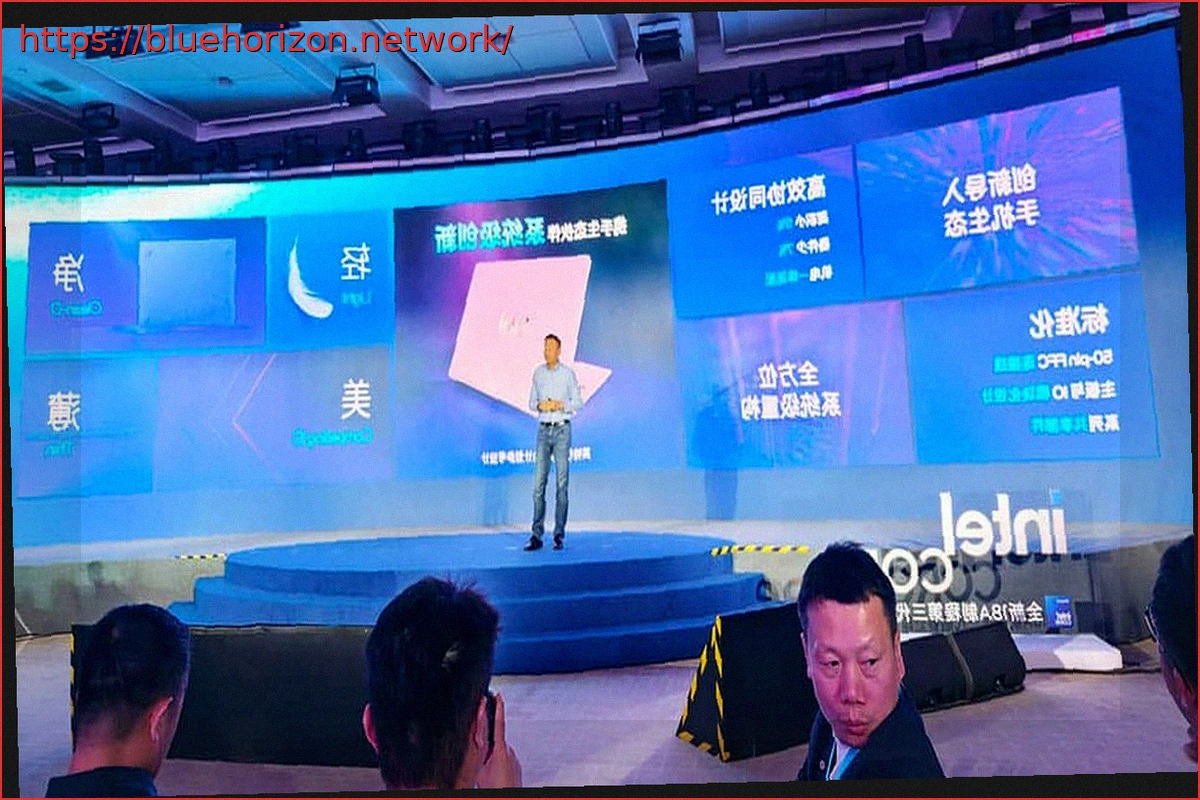
According to an original post by “Golden Pig” on Weibo, following an official presentation attended in China, Intel Project Firefly is designed for the price-sensitive Wildcat Lake platform. The plan involves integrating China’s local mobile supply chain, employing a unified standard interface, and reducing costs for the barebone systems.
Sam Gao, an Intel executive in China, showcased a reference design designated A+, featuring a thickness of 1.1x mm and a “Clean D” design. This indicates a focus on thin laptops, not just cheap and bulky chassis, emphasizing efficiency and ease of manufacturing.
The key aspect lies in standardization. The strategy for partners emphasizes a common approach, featuring a 50-pin FFC connector. This allows for the separation of the motherboard and I/O components in a more modular design, enabling parts reuse across different laptops and simplifying repairs. The initiative also mentions a motherboard that is 5% smaller and requires 7% fewer components, figures that significantly highlight Intel’s focus on manufacturing costs.
Intel will use all its resources to counter Apple’s push with macOS, and their partners with Windows 11
Furthermore, Wildcat Lake is not intended to compete in the same league as Panther Lake but rather to fill the entry-level segment. It’s clearly an entry-level platform, yet it offers the potential for thin and economical devices without succumbing to the common pitfalls of older, low-cost laptops.
Intel is aiming for high volume, recognizing the significant sales potential already demonstrated by the MacBook Pro. The initial wave is expected to feature over 70 designs based on this platform, with partners including ASUS, Colorful, Honor, HP, Lenovo, Changwang, and Mingfan. The first model associated with the project is anticipated to be the Lenovo Lecoo Air 14, while Wildcat Lake devices such as the CHUWI UniBook have already been seen priced from $449, and Honor models around $600.
Therefore, the strategy isn’t about outperforming the MacBook Neo with raw power through advanced architecture, more RAM, and SSDs, but rather about challenging it from below with competitive pricing, broad availability, shared designs, and a much more flexible manufacturing chain.
Intel needs Wildcat Lake to be more than just another series of budget CPUs; it needs to be a platform that manufacturers can quickly transform into actual laptops with fewer parts, lower costs, and reduced industrial friction. This is where Project Firefly could prove its worth, though the ultimate success will depend on whether these affordable devices feel genuinely modern or revert to the typical budget laptop experience that promises much but ages too quickly, similar to the fate of early ChromeBooks, now rebranded with different objectives like Googlebook.