

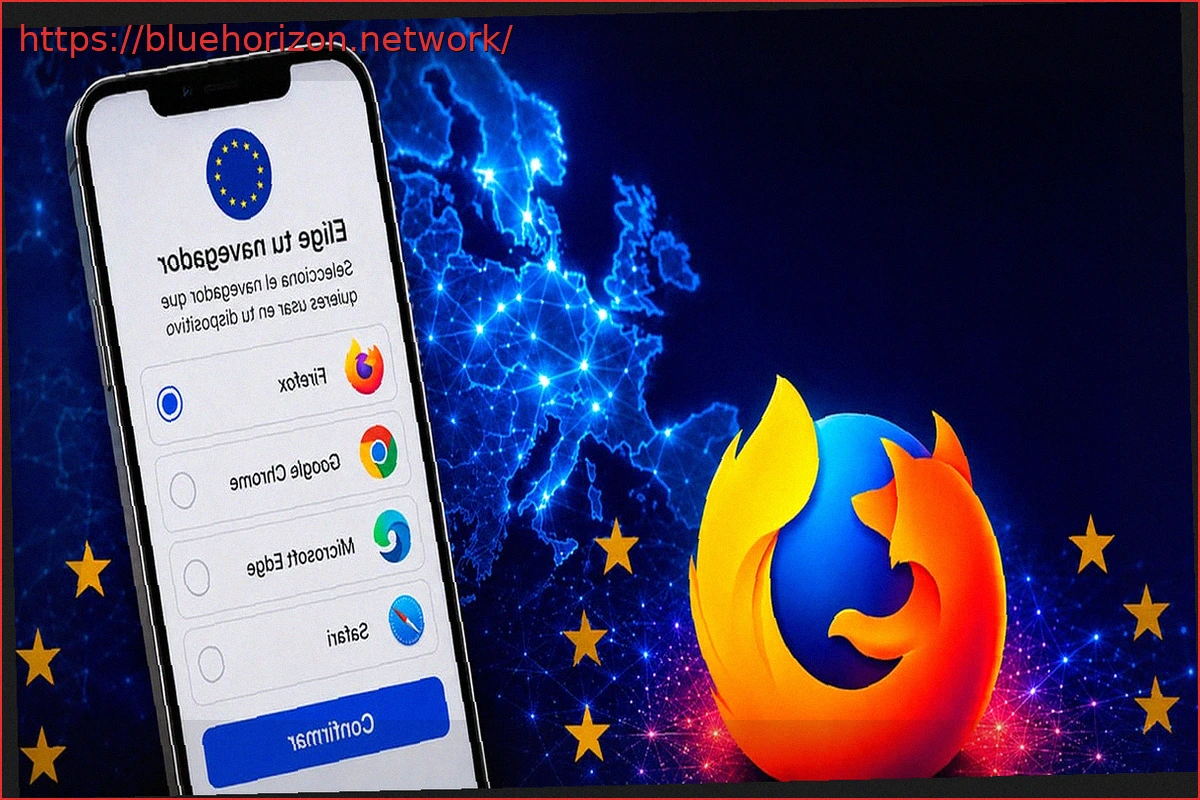
Mozilla Firefox has experienced an unexpected surge in popularity, driven by the European Union’s Digital Markets Act (DMA). According to data released by Mozilla, the browser has been chosen by over six million individuals through the new mandatory web browser choice screens implemented across the EU. The company reports that since these regulations took effect, a new Firefox user selects the browser via one of these screens approximately every 10 seconds. Crucially, the retention rate for these newly acquired users is five times higher compared to those acquired through other download channels.
The core of the DMA’s impact lies in its requirement for large platforms designated as “gatekeepers” – such as Apple, Alphabet/Google, and Microsoft – to reduce the artificial advantages of their proprietary services. In the context of web browsers, this means European users must be presented with choices beyond Safari or Chrome via specific selection screens, rather than being automatically defaulted to the pre-installed browser of their operating system. The European Commission has designated services like Android Mobile, Google Chrome, iOS, Safari, and Windows PC OS under the DMA framework.
Empowering Users to Discover and Choose Alternative Web Browsers Benefits Mozilla Firefox and Others
The most striking effect is observable within Apple’s ecosystem. An academic analysis cited by Mozilla compares daily active Firefox users in the EU against those in 43 non-EU countries. It concludes that 15 months after the introduction of these choice screens on iOS, Firefox usage was 113% higher than it would have been without the DMA. On Android, the estimated growth was more modest, at 12%, indicating that many users remain content with Google Chrome, in contrast to Apple users’ preference for Safari.
A significant difference in impact between iOS and Android has a practical explanation. Apple presents the choice screen when a user launches Safari for the first time. Android, however, displays it during initial device setup or after a factory reset. This makes the change more directly accessible to many existing iPhone and iPad users. In contrast, on Android, it is more dependent on new device setups or initial configurations. Furthermore, Firefox is not the sole beneficiary of these changes.
As of 2024, alternative browsers such as Aloha, Vivaldi, Ecosia, Brave, DuckDuckGo, and Opera have also seen an increase in user numbers within the EU following the implementation of the new choice screens. Aloha, for instance, reported a 250% growth in European users in the month following the DMA’s enforcement. Additionally, DuckDuckGo noted that approximately 40% more users chose their browser on Android thanks to the DMA’s browser selection screen. The next frontier is the desktop. Mozilla argues that the DMA has made significant strides on mobile, but the PC sector remains far less affected. They point out that this leaves hundreds of millions of computers in Europe without a comparable active browser choice experience. The company estimates that around 310 million desktop and laptop computers in the EU are still not providing users with a similar active browser selection experience.