
For years, Sony has leveraged the PC as a secondary commercial avenue for many of its major PlayStation titles, a strategy that also encouraged console purchases. What began as an exception gradually became the norm with releases like Horizon, God of War, Marvel’s Spider-Man, The Last of Us Part I, and Ghost of Tsushima, all initially designed for consoles before being ported to PC. However, in Sony’s latest annual report, the PC is no longer mentioned in PlayStation’s strategic text, unequivocally confirming that games will revert to their former status: PlayStation exclusives.
In the previous report, Sony discussed continuing to bring its first-party games to multiple platforms, including PC. This week, a strong rumor emerged that seemed to align with this shift. In the document covering the fiscal year ending March 31, 2026, this statement is absent, corroborating the rumor and indicating a refocus on other aspects of the PlayStation business.
Sony Departs from PC Gaming to Recommit to PlayStation and its Ecosystem
While there isn’t a direct statement from Sony declaring an end to PC game releases or a public announcement closing this commercial path, the evidence is concrete and derived from omission in the annual reports. The company has removed the explicit reference to PC from its strategy section, following years where its ports had generated additional revenue from games already amortized on consoles. This is another instance where what is unsaid holds as much, if not more, importance than what is stated, whether verbally or in writing.
The new text places a strong emphasis on a PlayStation ecosystem, with Sony highlighting annual single-player releases, a portfolio of live-service games, growth in PS Plus, and the PlayStation Store as key pillars for sustaining the business. Naturally, the PC is completely absent from these discussions, serving as Sony’s confirmation of its direction for games outside the PlayStation platform.
AI as a Secondary Pillar, Costs, Supply Issues, and More
The company also acknowledges the need to control costs, manage the supply chain, and address the scarcity of memory semiconductors, a persistent issue impacting hardware prices.
Artificial Intelligence is now integrated into Sony’s discourse. Sony explains its intention to utilize AI tools to enhance the productivity of development teams, enabling studios to dedicate more time to crafting richer worlds and more refined gameplay experiences. Furthermore, it discusses the application of AI and machine learning for optimizing transactions, personalizing recommendations on the PlayStation Store, and improving the visual fidelity of games.
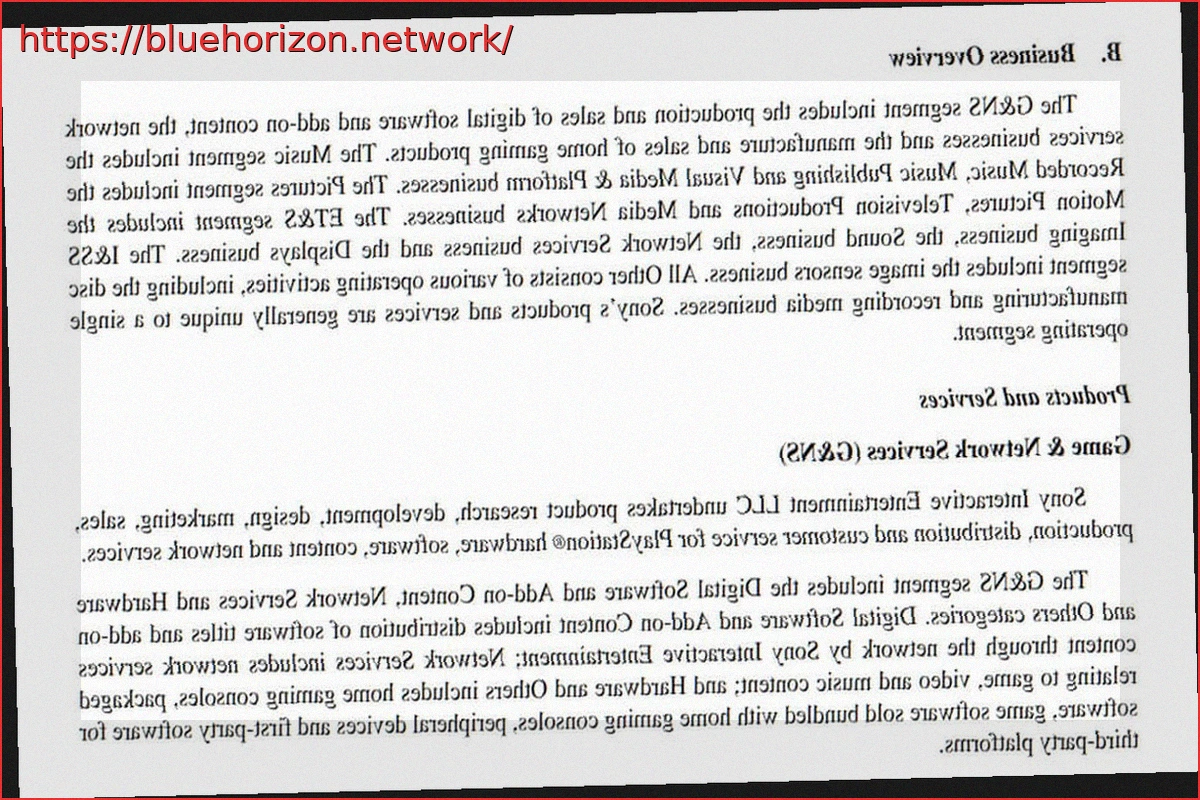
The report also provides business figures. The Games and Network Services division concluded the fiscal year with 4.6857 trillion yen in sales and 463.3 billion yen in operating profit, supported by network services, software sales, and a growing PS5 install base. Within this context, Sony no longer views the PC as a strategic priority but instead reinforces the value of its store, subscriptions, services, and internal tools.