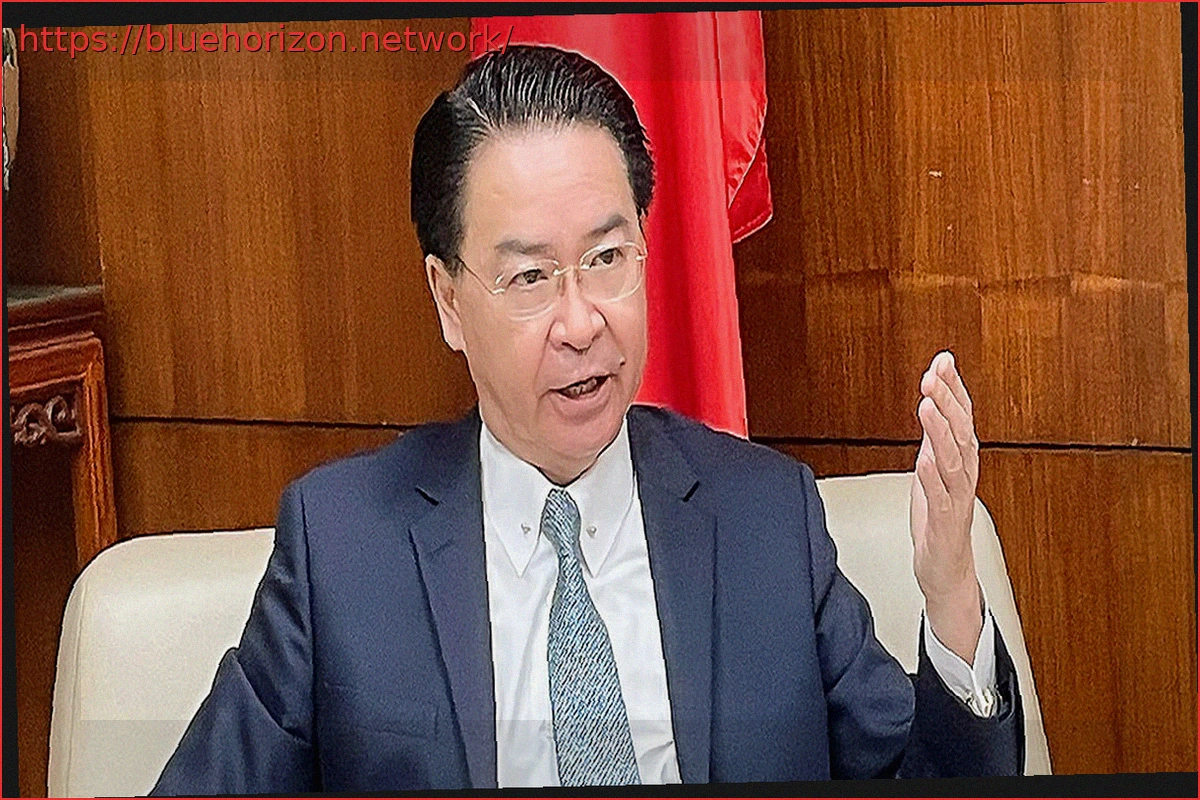
Taiwan has taken a firm stance against the smuggling of AI hardware, conducting 12 raids linked to the illicit shipment of NVIDIA GPU servers to China. Investigations suggest that three tech company executives allegedly used falsified documents to export high-performance equipment to mainland China, Hong Kong, and Macao, bypassing U.S. export restrictions. This action validates suspicions held by the Trump administration’s Department of Commerce and sets an important precedent in the country’s fight against such practices, particularly noteworthy as trade is ostensibly now open.
This case emerges amidst a significant technological blockade surrounding AI, with NVIDIA’s exorbitant hardware prices and its accelerated servers becoming highly scrutinized market commodities. Taiwan is now directly participating in this pursuit, taking a criminal approach.
Taiwan Enters the Fray Against AI Hardware Smuggling: 12 Simultaneous Raids Yield Initial Results
According to the Keelung District Prosecutor’s Office, the suspects are accused of falsifying export declarations to facilitate the movement of AI servers manufactured by Supermicro. The operation involved searches at 12 locations and is part of an investigation focused on the use of fraudulent documentation to circumvent trade controls. In total, over 50 servers are reportedly implicated in the case.
The charges concern high-value equipment intended for Artificial Intelligence workloads, featuring NVIDIA chips. These are not conventional graphics cards or consumer hardware, but rather complete servers designed for data centers, model training, and accelerated workload execution. This distinction is crucial, as U.S. export controls affect not only individual GPUs but also entire systems capable of providing restricted computing power.
China and Neighboring Countries Identified as Destinations, as Previously Stated by the U.S.
The Taiwanese investigation points to shipments destined for China, Hong Kong, and Macao, facilitated by companies and intermediaries who allegedly provided false information to authorities. The prosecution maintains that the documents did not accurately reflect the true destination or the nature of the exported material. Consequently, the case is being treated as document forgery and fraud, beyond mere trade violations.
This move also coincides with a much larger investigation in the United States, where the Department of Justice previously indicted Wally Liaw, co-founder and senior vice president of Supermicro, for an alleged AI hardware smuggling ring valued at $2.5 billion. Taiwanese authorities have indicated that their case was initiated independently, although both matters revolve around the same issue: NVIDIA AI GPU servers ending up in destinations subject to restrictions.
For China, this type of hardware remains critical for maintaining its pace in Artificial Intelligence despite Washington’s limitations. For Taiwan, this case opens a new avenue: prosecuting suspicious shipments from within before the hardware reaches external intermediaries. The race to dominate AI has long since moved beyond fabs and laboratories; it is now also present at customs, in export documents, and on increasingly monitored logistical routes. Does this make sense now that there is free trade in hardware between the U.S. and China?