ASP Cyberattack Exposes 143,000 Aid Recipients' Data
Between July and October 2023, the Île-de-France Region provided €250 in aid to 160,000 low-income households, funded by a €45 million European grant. The ASP processed payment notifications for this assistance. This "Energy Boost" aid was exclusively for households with annual incomes below €14,802 for a single person. Each stolen notification contained the recipient's full name, postal address, beneficiary number, complete banking details, and the amount disbursed.
Following a breach at the sports retailer Basic-Fit, where a message stated that "with an IBAN alone, you can't do anything," it was clarified that adding a name and address allows a fraudster to create a SEPA direct debit mandate in the victim's name and withdraw funds from their account. Scammers may also impersonate ASP agents via phone, mention the exact aid amount, and request bank validation codes. Recipients should disregard any calls, texts, or emails concerning the "Energy Boost" or their banking information. They can also dispute any unauthorized direct debits with their bank within thirteen months.
In 2025, the CNIL received 6,167 data breach notifications, a 9.5% increase from 2024. Half of these were due to hacking. "Breaches are becoming increasingly massive," warned the institution's president in her annual report. The ASP experienced a prior leak in April when an intruder accessed and stole social security numbers and IBANs of vocational training interns from an agency account. The number of affected individuals was not publicly disclosed.
Fresh materials — Tech News

Three TNT Transmitters to Cease Operations November 24th; Affected Households Won't Bear Costs
The shutdown of three TNT transmitters, scheduled for November 24, 2026, follows ARCOM's approval earlier this summer. The audiovisual and digital regulator has now outlined the specifics. For the affected viewers, television reception should continue uninterrupted as channels commit to ensuri

What happens to your data when you entrust it to AI?
We share prompts, documents, photos, and personal conversations daily with generative AI. But once sent, how does this data circulate, how long is it kept, and what is it used for? We tell AI about our days, our problems, our projects. We entrust it with work documents, photos, and increasi
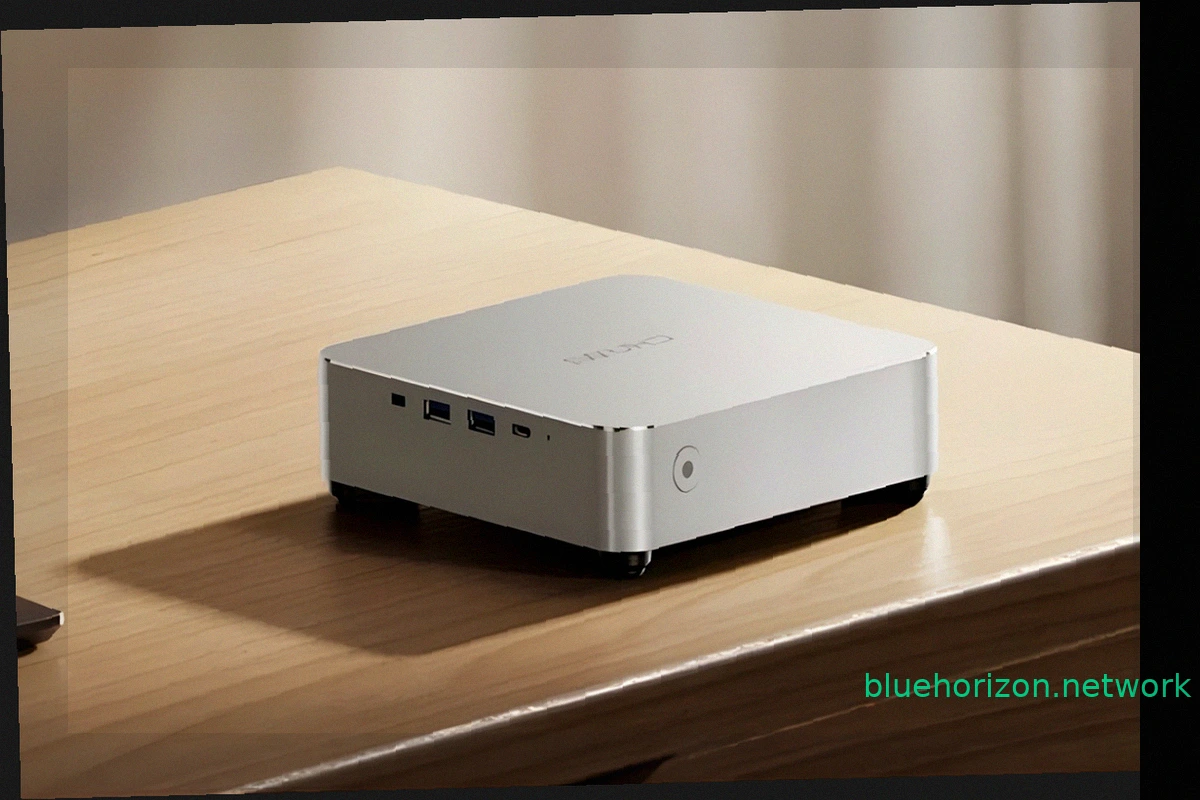
Chuwi UBox: Ryzen 5, 16GB RAM, Windows 11 Pro for Under €290?
The Chuwi UBox packs a Ryzen 5 6600H processor, 16GB of memory, and a 512GB SSD into a 650-gram enclosure. With a promotional code on AliExpress, its price drops into the entry-level mini PC range, offering significantly more power than comparable Intel-based models. Chuwi, known for its affordab
Alleged ShinyHunters Member Arrested in Jordan Aids FBI
Saif al-Din Khader, apprehended by Jordanian authorities on September 29th, is now helping the FBI pursue other members of ShinyHunters. This extortion group recently claimed responsibility for stealing data from all FBI employees, including medical and psychiatric records. Three individu
LDLC Confirms Data Breach: Customer Personal Information Accessed
French online retailer LDLC has reported a cybersecurity incident. Unauthorized access to one of its systems allowed cybercriminals to view customer personal data. This includes names, addresses, phone numbers, and account details. LDLC assures that banking information and passwords were not c

Google: Space Data Centers Need 1,800 Starship Launches
Google is developing orbital data centers. To make this project viable, the tech giant is awaiting significant progress from SpaceX and its Starship rocket. On October 1st, Google sent its first space-bound data center into orbit aboard a SpaceX Falcon 9 rocket. This mission wi