AMD Ryzen 7 9800X3D Highlights Extreme RAM: DDR5-6000 Matches or Beats DDR5-8000 in Gaming
The idea of buying faster RAM to gain FPS seems logical, until tests show the cost of that improvement. This isn't new, as past performance debates have included DDR5-4400 configurations and synchronized FCLK, MCLK, and UCLK. Now, the AMD Ryzen 7 9800X3D is back in the spotlight. TechPowerUp's comparison shows DDR5-6000 with tuned latencies matching or exceeding DDR5-8000. A striking detail: even DDR5-4800 comes remarkably close in average performance. Is the premium for higher speeds and lower latency justified?
The analysis tested eight configurations with varying speeds, latencies, capacities, and module counts. All were run through eight games using an RTX 4090 at High settings, across 1080p, 1440p, and 4K resolutions. These results are therefore specific to those conditions, where the graphics load plays a significant role.
Ryzen 7 9800X3D Sees Only a 1% FPS Gain Moving from DDR5-4800 to DDR5-8000
Here's the crucial data that challenges the expensive RAM theory: transitioning from 4,800 to 8,000 MT/s represents a 66.7% increase in transfer rate. However, average FPS improves by only about 1% at 1080p and 1440p, based on rounded percentages. At 4K, all eight configurations perform identically (100%), indicating the GPU is the bottleneck, with memory speeds and latencies unable to overcome this limitation.
This outcome is not surprising. The more the GPU limits performance, the less room there is for memory differences to matter. What's notable is the minimal gap at 1080p too, though maintaining High settings prevents completely ruling out a slight graphical limitation.
Differences grow somewhat in the 1% lows, which reflect performance during the slowest frames. Compared to DDR5-4800, the top configuration achieves 4% more at 1080p, 3% at 1440p, and 4% at 4K. While an improvement, it's not a transformative leap in experience.
DDR5-6000 with Tuned Latencies: Lower MT/s, Top-Tier Results
The DDR5-6000 CL30 ULL, configured with 30-38-38-32 timings, ties for the lead or tops all six aggregated graphs. Against DDR5-8000, it matches average FPS across all three resolutions and 1% lows at 1080p and 1440p. At 4K, 1% lows are 104% versus 103%.
The single 16 GB DDR5-6000 module is also surprising; it retains nearly all average FPS despite using a single channel. However, at 1440p, its 1% lows fall approximately 5.1% below the leading configurations.
So, considering the data, we return to the initial question: is extreme RAM worth the premium? These tests do not show a performance advantage in games that justifies the extra cost.
While a specific Counter-Strike 2 result at Low settings (625 FPS vs 618 FPS) is needed to evaluate a less GPU-bound scenario, the practical conclusion is already strong: chasing 8,000 MT/s doesn't guarantee more FPS, and well-tuned DDR5-6000 performs exceptionally well.
Fresh materials — Technology News

AI Glasses Trend: Shipments Surge 263% in H1 2026
The market for AI-powered glasses is experiencing unprecedented growth. Global shipments of these devices increased by 263% in the first half of 2026 compared to the same period in 2025, according to Counterpoint Research. Notably, this surge is driven by glasses without augmented reality disp

Rockstar Limits GTA VI Mods: Less Freedom Than GTA V
Rockstar Games has released new official guidelines for creating and distributing mods, significantly tightening restrictions on what the community can do in the upcoming Grand Theft Auto VI (GTA VI). While not exclusively for GTA VI, these rules apply to Rockstar's entire game catalog and wil
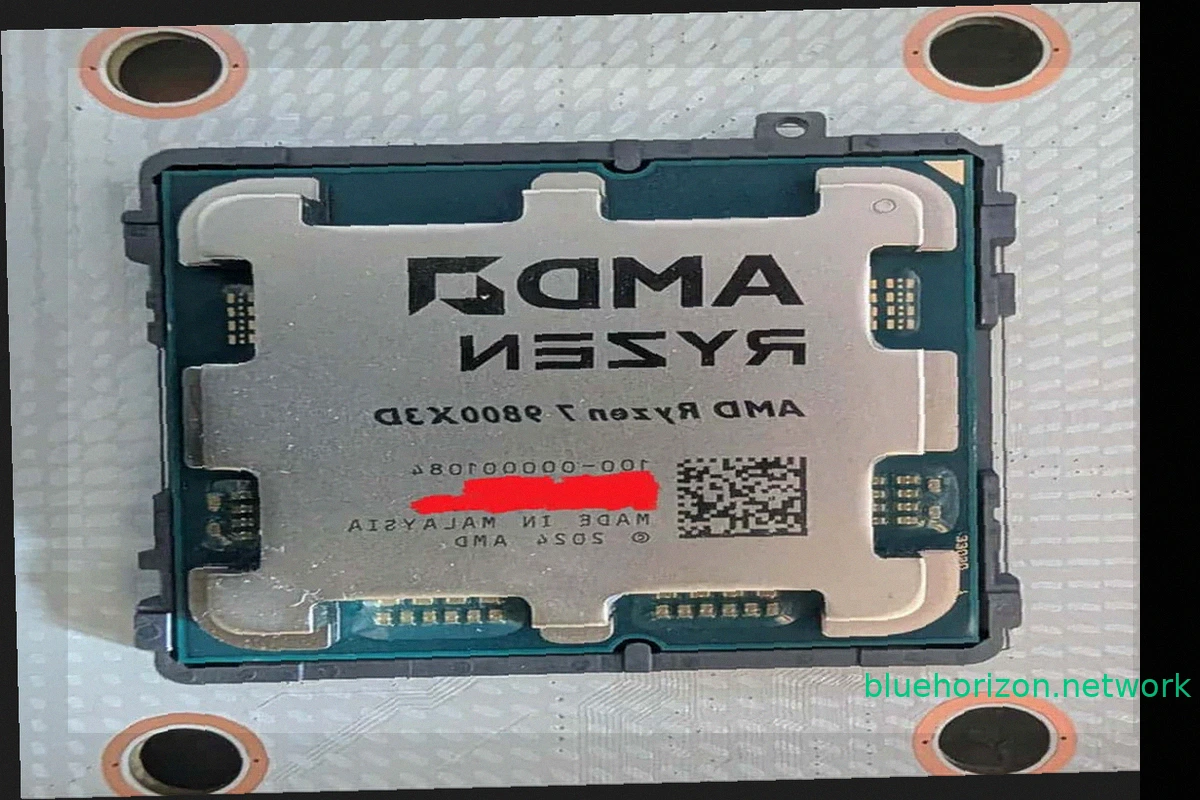
Fake Ryzen 7 9800X3D Purchased at Walmart, Refund Denied
Even as PC component prices climb, high-end parts remain popular. Top-selling GPUs often exceed €700-€800, and among CPUs, AMD's Ryzen 7 9800X3D and other X3D models are bestsellers. Gamers seek these processors, but a recent incident highlights that even purchases from major retailers like Wal

Glitchgate: iPhone 18 Pro Launch Issues Include Graphics Glitches, Restarts, and Face ID Problems
Just two days after the iPhone 18 Pro and iPhone 18 Pro Max became officially available to buyers, numerous videos showcasing anomalous behavior on Apple's new devices have started to surface. On X (formerly Twitter), some users have informally dubbed the situation “Glitchgate” following the c
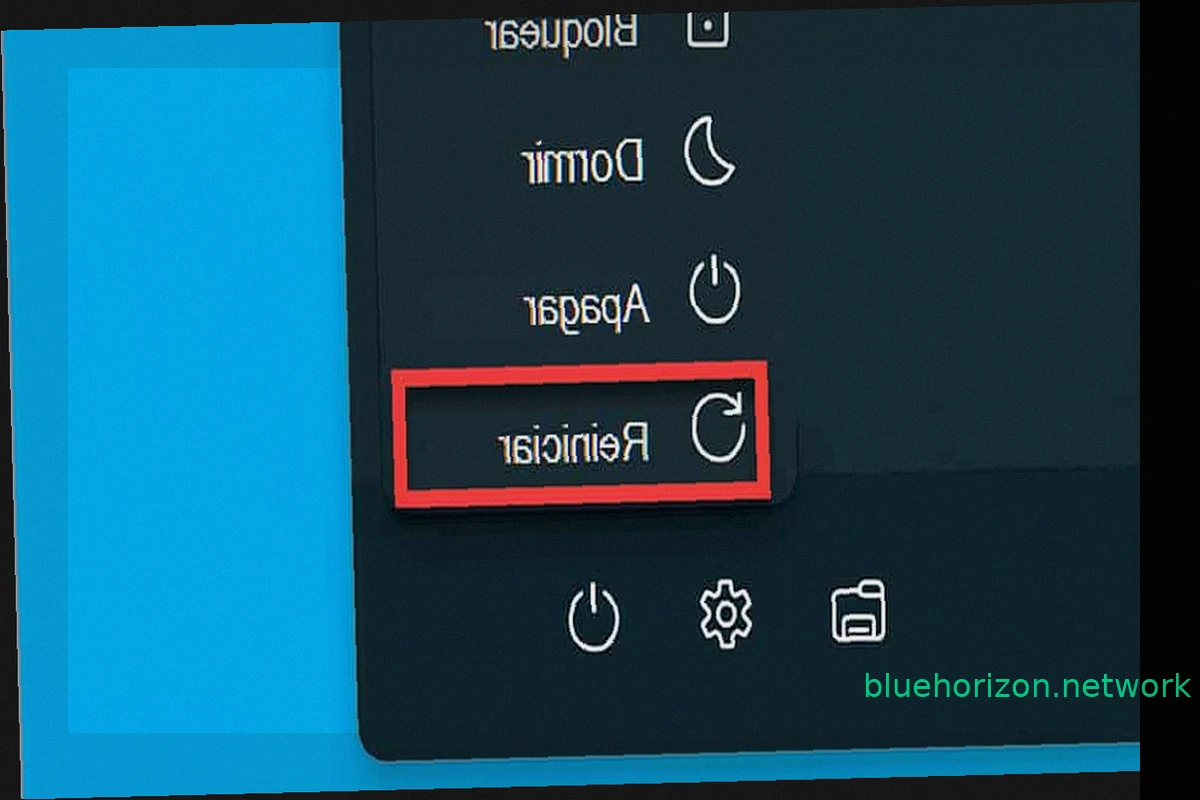
Windows 11: Restart Offers a Cleaner System Boot Than Shutting Down
It seems counterintuitive until Microsoft explains the underlying process. When experiencing PC issues, a full shutdown and restart feels like the logical solution for a fresh start. However, Windows 11's behavior might surprise you: Restarting the PC can actually result in a cleaner boot than
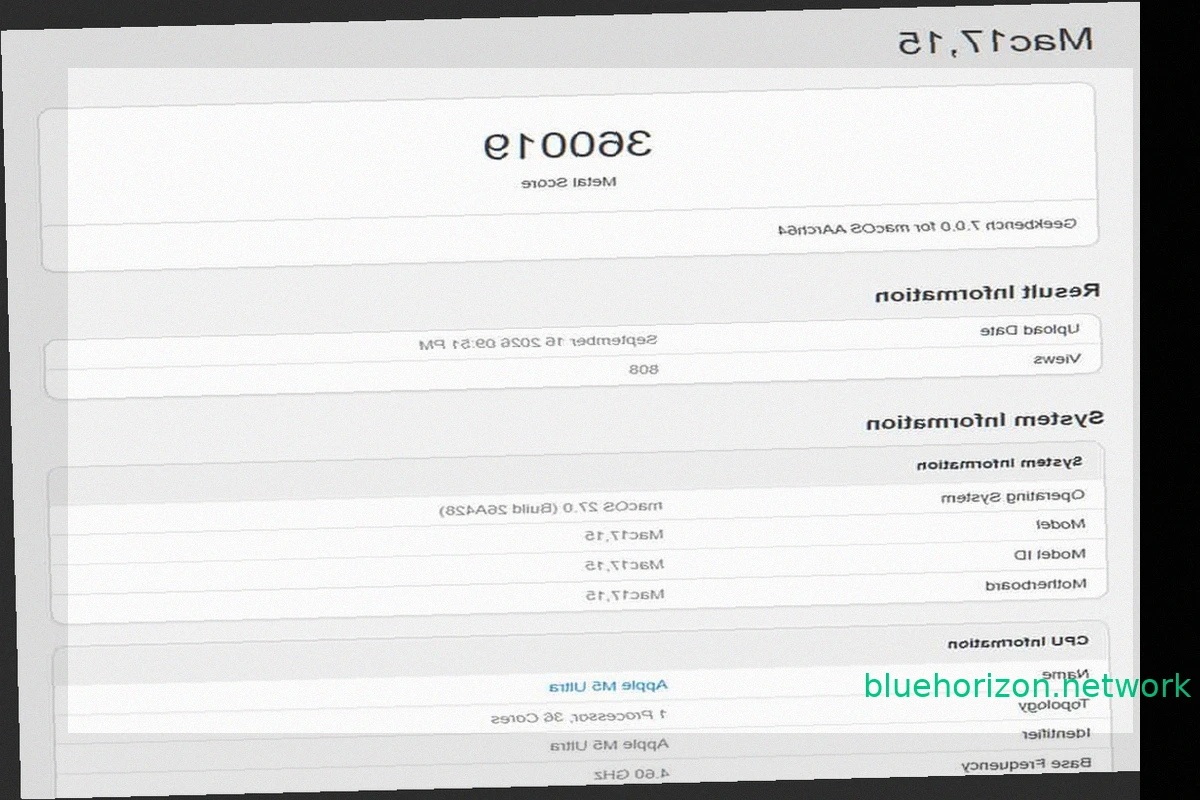
Apple M5 Ultra GPU: Geekbench Results Show Significant Performance Gains Over M3 Ultra and RTX 5080
Apple's strategic shift away from Intel, NVIDIA, and AMD in 2020, opting for its proprietary Arm-based chips, marked a turning point. The M1 chip, launched during this period, achieved considerable success. The company is now in its fifth generation of these chips, with the M5 Ultra variant demons