
Electric cars are on an seemingly unstoppable upward trajectory, closing 2024 with over 17 million global sales, a figure expected to be matched in 2025. This surge coincides with the renewed tensions in the Strait of Hormuz, which once again highlight the importance of oil prices and energy dependency. Data from the IEA reveals a mature market that is no longer solely driven by climate concerns or public incentives, but rather by a combination of price, local manufacturing, energy security, and the real availability of models.
The global picture is clear for both electric and gasoline car enthusiasts, and the market appears to be accelerating due to the ongoing conflict between the US and China, which is logically contributing to this trend.
Electric Car Global Sales Skyrocket with China as the Primary Powerhouse
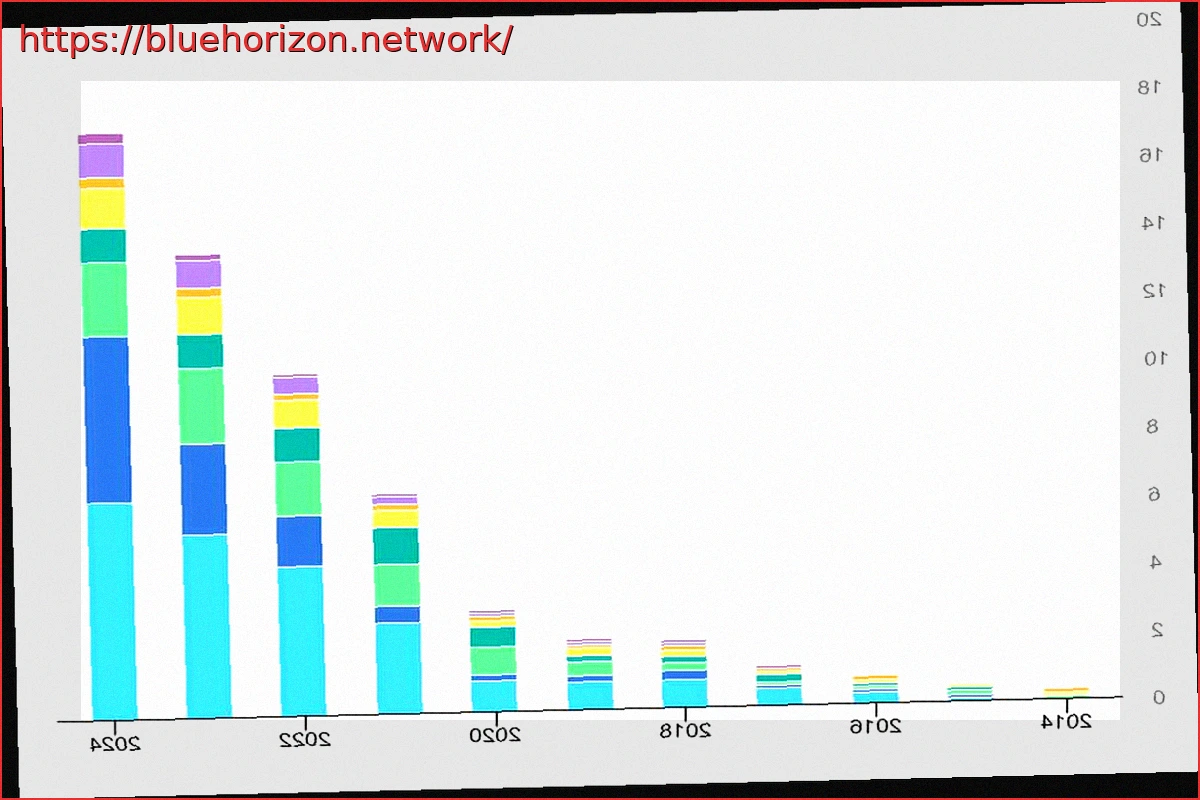
In stark contrast to 2014, when only a few hundred thousand electric cars were sold, the market surpassed 17 million units in 2024. This figure is expected to be mirrored in the 2025 report, due in 2026. According to the IEA, China accounts for the largest portion of this volume. Europe maintains a significant but more stagnant position, the United States continues to advance at a slower pace, and other markets are beginning to contribute a noticeable share to the growth.
Unsurprisingly, the most striking data comes from China. The IEA reports over 11 million electric cars sold in 2024, capturing nearly 50% of new car sales. In essence, almost one in every two cars sold in China was electric. In comparison, Europe hovered around 20%, a historically high figure, but without the dramatic leap seen in the Chinese market, which operates on a different level.
The global sales graph also indicates another crucial detail: growth is no longer solely dependent on China, Europe, and the United States. The “other markets” segment has shown strong growth since 2021 and gained prominence in 2024, although it still lags behind the major players. This includes countries where electric cars are beginning to take off from small bases but exhibit significantly higher growth percentages, likely becoming future leaders.
Genuine Interest in Electric Cars, but How Much is the Oil and Hormuz Situation Influencing It?
Country-specific data offers compelling examples. For instance, Thailand is nearing 90,000 electric registrations in 2024, India is around 70,000, Vietnam exceeds 90,000, Indonesia is close to 70,000, and Malaysia approaches 50,000. In terms of market share, Indonesia is around 17%, India surpasses 12%, Malaysia is nearing 7%, and South Africa barely reaches 4%, indicating diverse markets under a common trend.
Consumer spending is also a key factor. Investment in electric cars has risen from less than $50 billion in 2017 to approximately $560 billion in 2024. Conversely, public incentives have remained around $40 billion, and their relative share of total spending has decreased from about 20% in 2017 to nearly 7% in 2024. The market is growing much faster than subsidies, indicating genuine consumer interest rather than mere hype.
The chart detailing the origin of electric cars sold in selected markets adds another dimension to Europe’s challenge. In many emerging economies, China is already a significant supplier, particularly when a local industry capable of meeting demand at a competitive price is lacking. Countries like Turkey, Morocco, Egypt, Brazil, and Thailand exhibit varied combinations of local production, imports, and Chinese influence, but the industrial implication is clear: those who manufacture affordably and scale rapidly dominate international markets. Currently, China is unbeatable in global electric car sales.
With the backdrop of the Strait of Hormuz, these figures carry more weight. If oil prices rise again due to geopolitical tensions, electric cars become more attractive in markets with relatively stable and inexpensive electricity. China has already established this advantage through its production, pricing, and volume. Europe, meanwhile, is maintaining its market share but not accelerating at the same pace. This raises an uncomfortable question for the coming years: if the world is pushing towards electric cars for cost and energy security reasons, who will manufacture the cars that are actually affordable? The answer seems evident: China. This presents a significant challenge for continents and countries like Europe, Japan, and South Korea.