Apple's Strategy with the MacBook Neo: Challenging Windows, Intel, and AMD in Laptops with Low Prices
Apple is preparing an unusual strategy within its laptop lineup to challenge its main rivals. While the PC market faces a projected decline of 9.2% by 2026, according to TrendForce, the company plans to launch its MacBook Neo at a significantly lower price than any current version. The objective is not merely to sell a new model but to expand the macOS user base in the entry-level segment, a territory dominated by Windows laptops powered by Intel and AMD processors. This marks the beginning of a market-entry strategy that Apple will execute with the MacBook Neo, notably leveraging its aggressive pricing.
With an estimated price of $599, and potentially as low as $499 for the educational market, Apple aims to compete directly in the $500 to $800 range, a price segment it has practically never entered. This is the core focus of the Cupertino-based company's approach.
Apple to Use Price as Main Weapon in MacBook Neo Strategy to Attract Users from Microsoft, Intel, and AMD

This move has a very clear interpretation: Apple aims to grow precisely when the PC market is undergoing a contraction phase due to various ongoing crises in the sector. Furthermore, it plans to do so with a product designed to attract users who would typically purchase a Windows laptop.
Specifically, TrendForce estimates that the launch of the MacBook Neo could boost MacBook shipments by 7.7% in 2026 and raise macOS market share to 13.2% of the global laptop market. If acceptance is strong and forecasts hold, Apple could sell between 4 and 5 million units of this model in its first year.
This is no small figure, considering Apple competes in a market historically dominated by manufacturers relying on Windows and Intel or AMD CPUs. It would represent an unprecedented overtake.
Apple's Control and Amortized Hardware Allow Unprecedented Price Pressure Against Rivals

As known, the MacBook Neo is expected to use the A18 Pro chip, the same SoC Apple employs in its high-end iPhones. This allows for considerable cost reduction, as Apple controls the silicon design and can reuse a mass production platform that has already been amortized.
In contrast, Windows laptop manufacturers rely on external CPUs, with Intel and AMD now focusing their efforts on AI. Furthermore, they use a wide variety of hardware configurations, which complicates cost control, especially when prices of key components rise.

Apple, on the other hand, can afford to launch a cheaper laptop thanks to its vertical integration and a very limited number of configurations. They optimize, control, and achieve better prices through volume. Not even Qualcomm can do that with Arm and TSMC.
The most debated aspect of the MacBook Neo will likely be its base configuration, which starts with 8 GB of RAM with no possibility of expansion. This could draw criticism if the device is used for more demanding tasks, but given the lightweight nature of macOS, it doesn't seem to be a hindrance in this entry-level market segment.
Selling Hardware to Charge for Software: The Growing Business Model for Many Companies

Even so, Apple seems to be taking that risk because the primary objective is not to compete on raw power, but to increase the number of users within its ecosystem with a cheap, affordable laptop featuring thoroughly proven hardware quality.
If the MacBook Neo successfully attracts students and new users, Apple will not only sell hardware but also expand its customer base using services like iCloud, Apple Music, or the App Store.
In other words, it would be a "Win-Win" situation, where the affordable laptop could become the gateway to Apple's services business. This strategy explains why the company is willing to lower prices in a market where almost all other manufacturers are doing the exact opposite. With this approach, the MacBook Neo could become a silent Trojan horse, penetrating the heart of the traditional laptop market. Will they succeed? We'll know in a year, but if they do... it will be pure dynamite for their rivals.
Fresh materials — Technology News
Windows 11: Restart Offers a Cleaner System Boot Than Shutting Down
It seems counterintuitive until Microsoft explains the underlying process. When experiencing PC issues, a full shutdown and restart feels like the logical solution for a fresh start. However, Windows 11's behavior might surprise you: Restarting the PC can actually result in a cleaner boot than
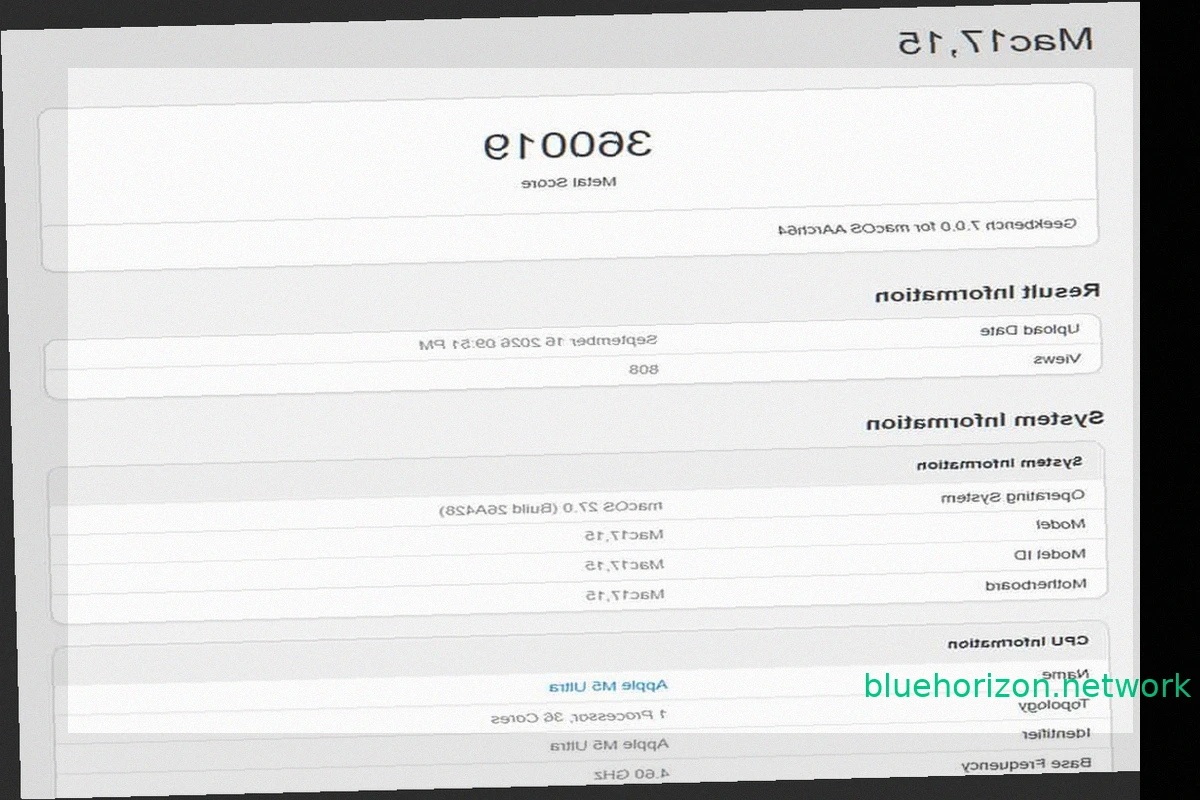
Apple M5 Ultra GPU: Geekbench Results Show Significant Performance Gains Over M3 Ultra and RTX 5080
Apple's strategic shift away from Intel, NVIDIA, and AMD in 2020, opting for its proprietary Arm-based chips, marked a turning point. The M1 chip, launched during this period, achieved considerable success. The company is now in its fifth generation of these chips, with the M5 Ultra variant demons

DeepSeek Engineer's Growing Unease: More AI Work Means More AI Advancement, Fueling Catastrophic Fears
AI stands at the forefront of societal technological progress, with many now placing it above the internet and other groundbreaking discoveries. This prominence is understandable given its impact on our lives, particularly in the workplace. In a few short years, we've moved from generative AI t

ASRock Ships Z990 Motherboards, Hinting at Intel Nova Lake-S Launch
ASRock is paving the way for its first motherboards featuring the Intel Z990 chipset, designed for the upcoming Intel Nova Lake-S processors. Shipping and customs records reveal several models currently en route between Taiwan and Vietnam, indicating ASRock has units ready for validation, testi

Windows 11 IoT (LTSC, Home, Pro) y Office 2024 a precios bajos en CDKeyOffer
CDKeyOffer ofrece la posibilidad de actualizar a Windows 11 LTSC o Windows 11 IoT LTSC por 16,58 euros. Esta versión destaca por su limpieza y optimización frente a Windows 11 Home o Pro. Está diseñada para una mayor estabilidad, con actualizaciones mensuales de calidad y seguridad, y menos ca
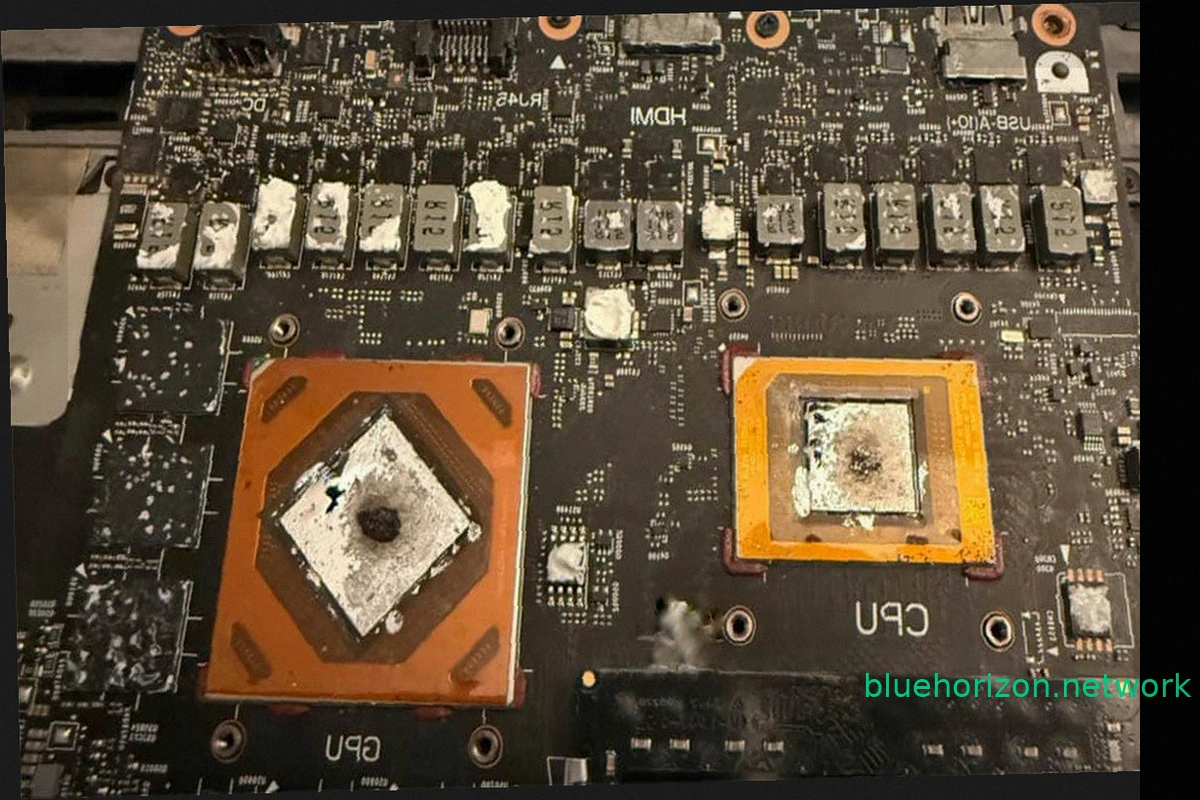
Laptop Owners Face "PS5 Syndrome": Liquid Metal Thermal Paste Caused Issues After Two Motherboard Replacements
Laptops are increasingly expensive. With recent price hikes in components like RAM, users are more inclined to protect their existing devices and ensure repairs are effective. One gamer experienced significant trouble with a laptop purchased a few years ago. Despite two motherboard replacement