Austria Joins Trend of Blocking Social Media Access for Minors
Austria has joined the growing global trend of restricting social media access for minors, setting a minimum age of 14. The Austrian three-party government, led by conservatives, announced its plan to impose a ban on social media use for children under 14. This age limit is notably more lenient compared to most other countries that have set the minimum age for accessing social media at 16.
The three-party government formally announced its intention to prohibit social media use nationwide for individuals under 14 years old. Alexander Pröll, State Secretary for Digitalization, made the announcement during a joint appearance with representatives from the other two coalition partners, emphasizing that this is a unified political stance rather than an isolated proposal.
While No Law Currently Exists in Austria Prohibiting Minor Access to Social Media, Legislation is Imminent
According to the Secretary, the legislative draft is expected by June. Consequently, the measure has not yet come into force, and details regarding its implementation mechanisms, age verification systems, or penalties are still unknown. Essentially, this is currently more a declaration of intent than an effective ban, indicating that the legislation is in slow development.
Austria's decision aligns with an increasingly visible international trend. Since early March, several countries, including Spain, have been seeking to limit minors' access to social media. Australia pioneered this movement with a ban for those under 16. Spain has also proposed a similar block for minors under 16. Greece is considering a limit of 15 years, and in countries like Germany and the United Kingdom, the debate is fully underway. In this context, Austria opts for a 14-year threshold, the lowest seen so far in Europe.
The motivation behind these blocks and restrictions stems from a perception that social media negatively affects the well-being, attention span, and safety of minors. Intensive use of social media appears to contribute to the deterioration of young people's well-being, especially among girls. This is further fueled by an increasingly stringent political current in Europe against platforms designed to maximize addiction and retention among young users. Therefore, the Austrian proposal is not merely a national measure but part of a broader regulatory shift against the current model of children's access to social media.
As Always, Age Verification Methods Will Be the Most Debated Aspect
Age verification options range from algorithms attempting to guess age, to biometric mechanisms, or uploading official identification online. Austria will also have to choose a method to identify these users while respecting privacy rights, a task that is becoming increasingly difficult to achieve. Furthermore, governments are also up against VPNs, as a single click can bypass any block, making the user appear to be in another country exempt from such rules.
Beyond these challenges, the implementation will be quite straightforward. Any user detected as being under 14 will not only have all their social media accounts blocked until they reach that age but will also be prohibited from creating new accounts. These new accounts should ideally include additional protections to prevent circumvention of the 'law'.
Fresh materials — Technology News

Google Pixel Devices Hit by Nightmare Bug: September Update Locks Out Some Users
Updating your phone should be a simple process: install, restart, and continue. But imagine completing the update, entering your usual unlock pattern, and the phone not even letting you finish it. Your photos and messages remain, but you're locked out. This is the predicament some Google Pixel
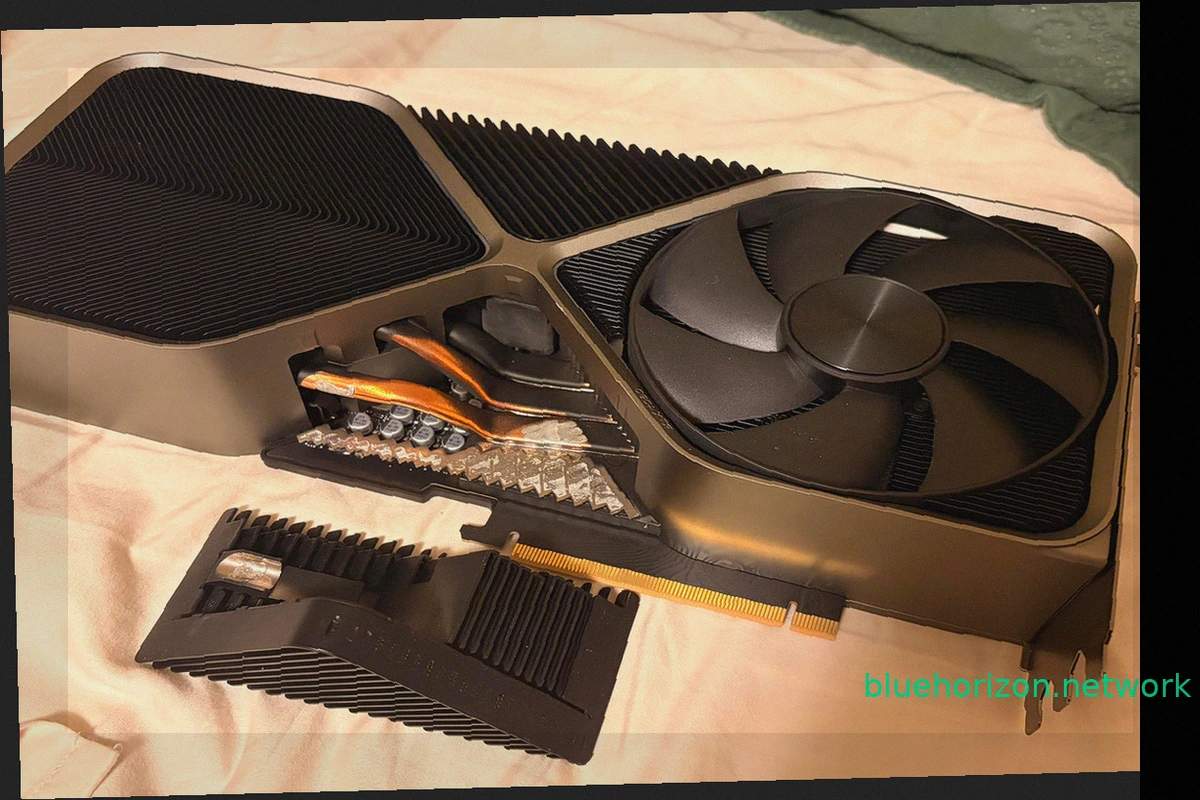
NVIDIA GeForce RTX 4090 Founders Edition Loses Part of Its Heatsink After Three Years
A NVIDIA GeForce RTX 4090 Founders Edition has presented an unusual problem, not with its power connector, but with its heatsink. This incident is unique, as a portion of the graphics card's massive heatsink literally detached while its owner was moving the computer. This wasn't a decorative c

Russian Missiles Strike Infrastructure of 1337x, Second Largest Torrent Tracker, Hitting Piracy
Russian missile attacks have damaged infrastructure belonging to popular torrent trackers like 1337x. Between September 23 and 27, 2026, Russia conducted strikes targeting data centers and communication facilities in Kyiv. These attacks temporarily disrupted internet access for approximately 1
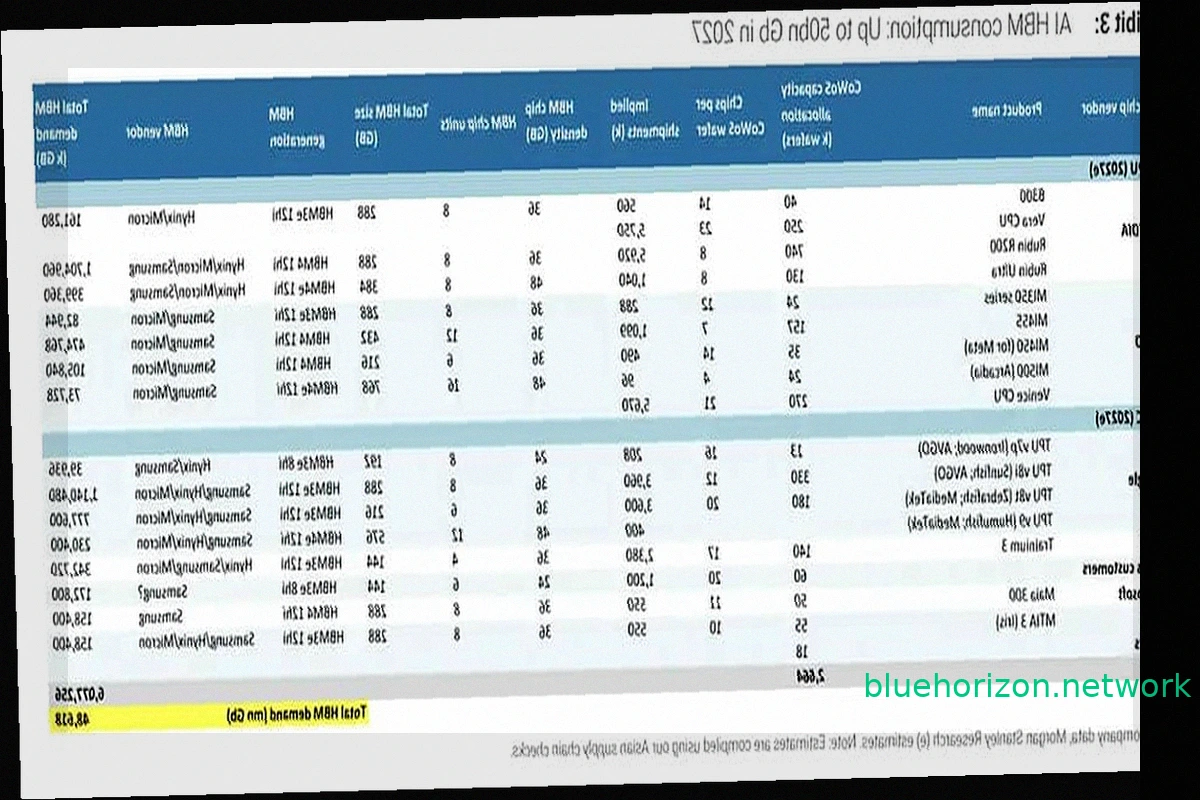
NVIDIA, Google, and AMD Poised to Control 85% of HBM Memory Demand by 2027
The "you'll own nothing and be happy" meme is finding a parallel in hardware, specifically memory. NVIDIA, Google, and AMD are set to command 85.4% of the global High Bandwidth Memory (HBM) demand by 2027, according to Morgan Stanley estimates. These three buyers will largely dictate the pace

Windows 11 26H2 Reduces RAM Consumption by Up to 2 GB, But 8 GB Machines Still Struggle
Windows 11 26H2 is rolling out optimizations for RAM management. Some users report a noticeable decrease in RAM usage after installing this update, with certain systems showing a reduction of up to 2 GB compared to Windows 11 25H2 upon startup. However, initial findings suggest this improvemen
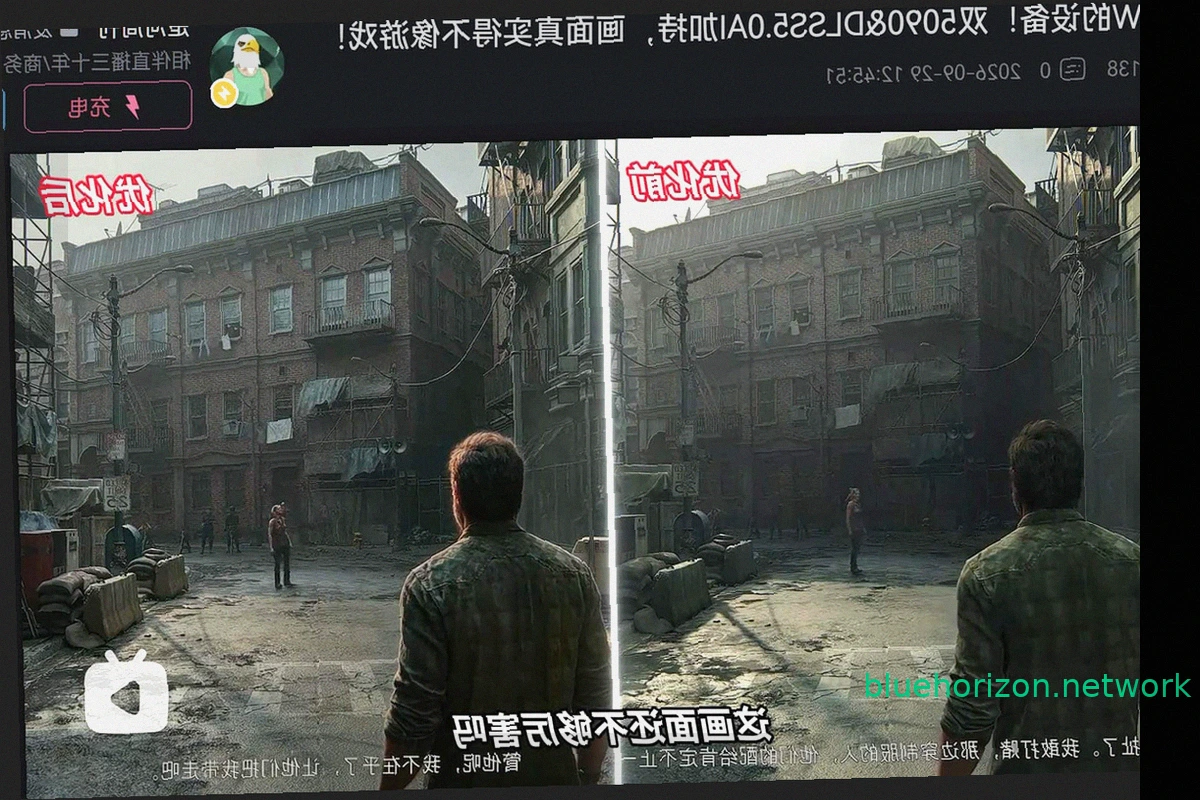
RTX 5090 fails with DLSS 5 after 48 hours for Chinese streamer
NVIDIA's RTX series introduced Tensor Cores, enabling technologies like DLSS. Early DLSS versions offered a noticeable drop in image quality compared to native resolution. DLSS 2 brought significant improvements, and DLSS 3 achieved parity or even superiority over native rendering. DLSS 4 cont