Francia frena a Macron: prohibición de redes sociales a menores de 15 años vulnera libertades
France has encountered a significant setback in its attempt to prohibit access to social media for individuals under 15 years old. The French Constitutional Council has blocked the legislation, deeming the proposed restrictions a disproportionate violation of freedom of expression and communication, as well as raising privacy concerns. This measure, initially approved by French lawmakers in July, was slated to take effect from September 1, 2026.
The decision also represents a political blow to Emmanuel Macron, a prominent advocate for stricter controls on minors' access to social platforms. However, the French president has not abandoned the initiative. He has tasked the Prime Minister with reformulating the legislation to address the Constitutional Council's objections. The Élysée Palace's objective remains to have a revised version in place before the spring of 2027, coinciding with the period preceding the next French presidential elections.
France aimed to ban social media for all minors under 15
The French proposal stipulated a general ban preventing minors under 15 from creating new social media accounts starting September 1. Furthermore, platforms would have been required to identify and close existing accounts belonging to minors within a maximum of four months. To achieve this, companies would have needed to employ age verification mechanisms approved by the French data protection authority.
This verification system has been identified as one of the primary issues by the Constitutional Council. To determine if an individual was over 15, the legislation ultimately demanded that all users prove their age. However, the text did not sufficiently define the conditions and limits under which this verification should occur. The court considers that a general requirement to prove age without clearly establishing what data can be requested, how it should be processed, or what guarantees exist introduces an additional problem related to the right to respect for private life.
The Constitutional Council does not necessarily question the objective of protecting minors but rather the chosen method to achieve it. According to its ruling, the proposed provisions disproportionately restricted freedom of expression and communication and, simultaneously, did not establish the necessary legal safeguards to protect privacy. This prevents the ban from coming into effect as originally conceived. Consequently, the French government is now obligated to develop a different framework if it wishes to maintain the age limit.
Macron wants to redo the law and approve it before the 2027 elections
France intended to lead Europe in implementing such social media restrictions. French lawmakers had approved the regulation in July, becoming the first in Europe to follow the steps of Australia, a country that since December has maintained a ban for minors under 16 affecting platforms like Facebook, Snapchat, TikTok, and YouTube. Australia's experience is also not fully resolved; its lawmakers are now considering tightening sanctions after initial data have shown mixed results regarding the ban's actual effectiveness.
The French move is also part of a much broader international trend. Countries such as China, the United Arab Emirates, and Turkey have introduced or announced measures aimed at limiting young people's access to certain social platforms. On the other side of the world, the European Union itself intends to strengthen the protection of minors against harmful features of these services. Many other European countries, like Spain, have already announced their intention to ban social media for minors, which has prompted Europe to act by seeking to facilitate matters through a common law.
Regarding France, Macron intends to move forward. The president had already publicly advocated for reducing teenagers' technological dependence, even encouraging them in April to turn off their devices and dedicate more time to reading. Following the ruling, the Élysée confirmed that Lecornu must redraft the text to incorporate the constitutional objections. The intention is to have a revised and legally viable regulation before the spring of 2027, when France will hold presidential elections.
Fresh materials — Technology News

Google Pixel Devices Hit by Nightmare Bug: September Update Locks Out Some Users
Updating your phone should be a simple process: install, restart, and continue. But imagine completing the update, entering your usual unlock pattern, and the phone not even letting you finish it. Your photos and messages remain, but you're locked out. This is the predicament some Google Pixel

NVIDIA GeForce RTX 4090 Founders Edition Loses Part of Its Heatsink After Three Years
A NVIDIA GeForce RTX 4090 Founders Edition has presented an unusual problem, not with its power connector, but with its heatsink. This incident is unique, as a portion of the graphics card's massive heatsink literally detached while its owner was moving the computer. This wasn't a decorative c

Russian Missiles Strike Infrastructure of 1337x, Second Largest Torrent Tracker, Hitting Piracy
Russian missile attacks have damaged infrastructure belonging to popular torrent trackers like 1337x. Between September 23 and 27, 2026, Russia conducted strikes targeting data centers and communication facilities in Kyiv. These attacks temporarily disrupted internet access for approximately 1
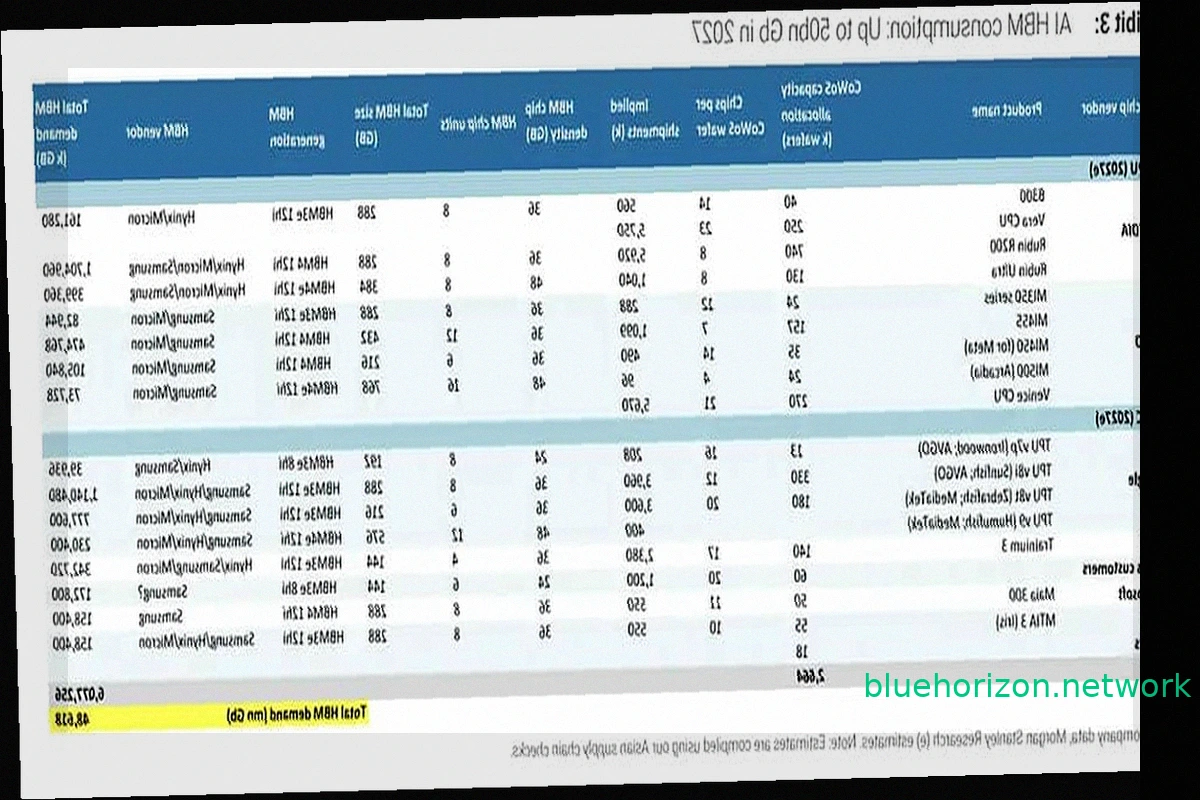
NVIDIA, Google, and AMD Poised to Control 85% of HBM Memory Demand by 2027
The "you'll own nothing and be happy" meme is finding a parallel in hardware, specifically memory. NVIDIA, Google, and AMD are set to command 85.4% of the global High Bandwidth Memory (HBM) demand by 2027, according to Morgan Stanley estimates. These three buyers will largely dictate the pace

Windows 11 26H2 Reduces RAM Consumption by Up to 2 GB, But 8 GB Machines Still Struggle
Windows 11 26H2 is rolling out optimizations for RAM management. Some users report a noticeable decrease in RAM usage after installing this update, with certain systems showing a reduction of up to 2 GB compared to Windows 11 25H2 upon startup. However, initial findings suggest this improvemen
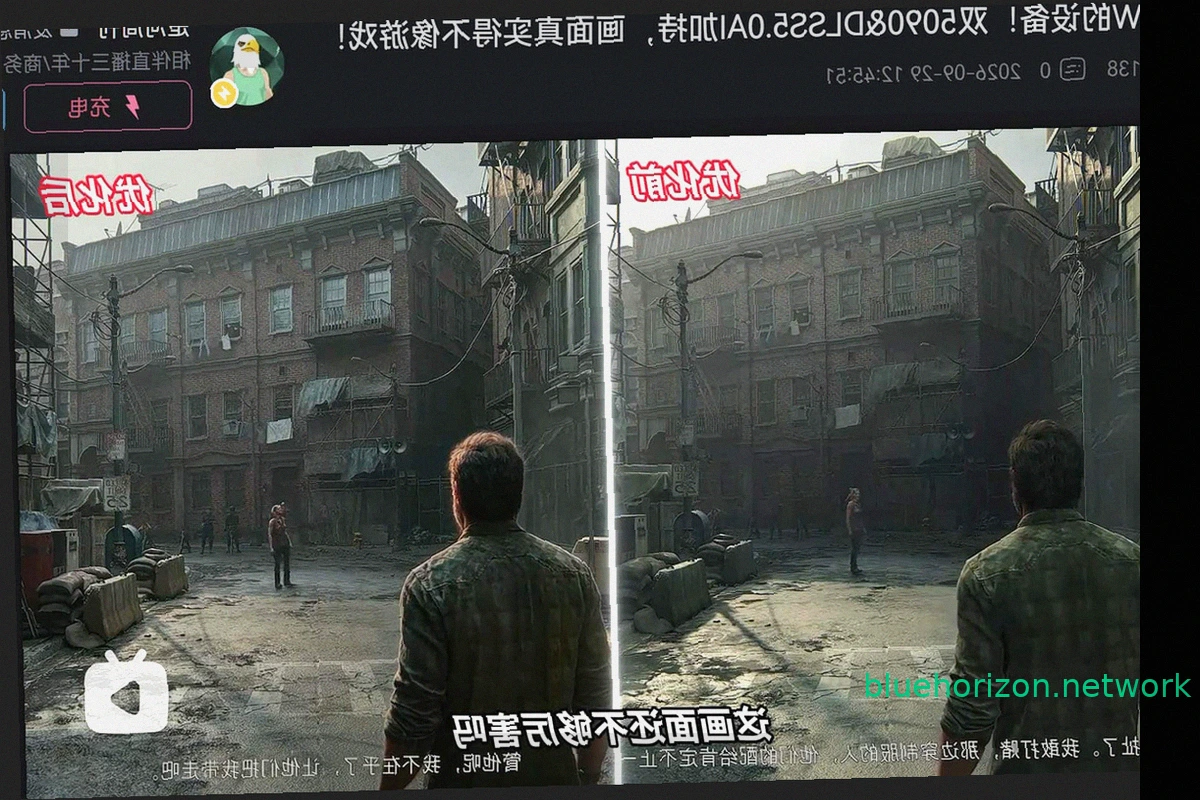
RTX 5090 fails with DLSS 5 after 48 hours for Chinese streamer
NVIDIA's RTX series introduced Tensor Cores, enabling technologies like DLSS. Early DLSS versions offered a noticeable drop in image quality compared to native resolution. DLSS 2 brought significant improvements, and DLSS 3 achieved parity or even superiority over native rendering. DLSS 4 cont