NVIDIA CEO: Memory Scarcity Is "Fantastic," Drives Demand for "The Best" AI Hardware
The global memory crisis isn't impacting everyone equally, especially if your name is Jensen Huang and you lead one of the world's most valuable companies. While PC, console, and smartphone manufacturers grapple with rising prices and supply shortages, NVIDIA openly acknowledges that this environment works to its advantage, stating that the memory crisis is "very, very good" for the company.
Jensen Huang, NVIDIA's CEO, explained at the Morgan Stanley Technology, Media & Telecom Conference that limitations in components, energy, and data center capacity are compelling companies to choose only the most efficient hardware. This scenario plays directly into NVIDIA's hands, as it clearly dominates the artificial intelligence market with its high-performance solutions.
NVIDIA Sees Scarcity as a Strategic Advantage
The scarcity of DRAM memory, and particularly High Bandwidth Memory (HBM), has emerged as a significant bottleneck in AI infrastructure development. The demand for GPUs to train and execute large AI models is growing at a pace that memory manufacturers struggle to match. As we know, Samsung, SK Hynix, and Micron are redirecting a substantial portion of their production towards HBM for data centers, leaving less capacity for conventional memory used in PCs, mobile devices, consoles, and laptops. For Huang, this situation is not a problem but an opportunity.
"I think the fact that everything is scarce is fantastic for us; when it's scarce, you choose the best," Huang stated. His logic suggests that building AI data centers involves multi-billion-dollar investments in land, electrical power, cooling systems, and network infrastructure—all of which are limited resources. If the key hardware components are also scarce, operators are unwilling to take risks by investing in solutions that might fall short. Huang put it simply: "If data centers, land, power, and infrastructure are limited, you're not going to put something random in just to try it out."
Huang further noted that as AI models grow in complexity and scale, so do their memory requirements, putting even greater pressure on the global supply chain. The resolution to this challenge, he implies, comes through the most straightforward yet expensive approach: "You're going to put something in that you know for sure is going to deliver the tokens per watt that you need." This highlights the premium placed on proven, highly efficient performance.
NVIDIA's Secured Supply Chain and Full AI Infrastructure Offering
Without mincing words, Huang stated that those with significant capital will opt for the best, regardless of cost—and the AI sector currently boasts abundant funding. NVIDIA has also proactively safeguarded its supply by securing long-term agreements across its entire industrial chain. Huang proudly asserted NVIDIA's assured access to critical components, from memory and advanced packaging (like CoWoS) to interconnections, a level of guarantee many rival companies cannot match. "We have all the memories, we have all the wafers, we have all the CoWoS," he proclaimed, underscoring their comprehensive control over essential resources.
NVIDIA's strategy extends beyond selling GPUs; it involves offering complete AI infrastructure systems. This includes accelerators, networking, software, and entire data centers optimized for large-scale models. Huang sent a clear message to competitors: "We are the only company in the world that can come into your company and help you build a complete AI factory."
In a market where every megawatt of power and every gigabyte of memory is critical, supply restrictions do not hinder NVIDIA, nor does the memory crisis. According to Huang, these challenges transform into a competitive advantage. This perspective is understandable when you are the largest player on the planet. As long as AI demand continues to outpace memory production capacity, NVIDIA's strategic advantage is likely to grow even further.
Fresh materials — Technology News

Google Pixel Devices Hit by Nightmare Bug: September Update Locks Out Some Users
Updating your phone should be a simple process: install, restart, and continue. But imagine completing the update, entering your usual unlock pattern, and the phone not even letting you finish it. Your photos and messages remain, but you're locked out. This is the predicament some Google Pixel
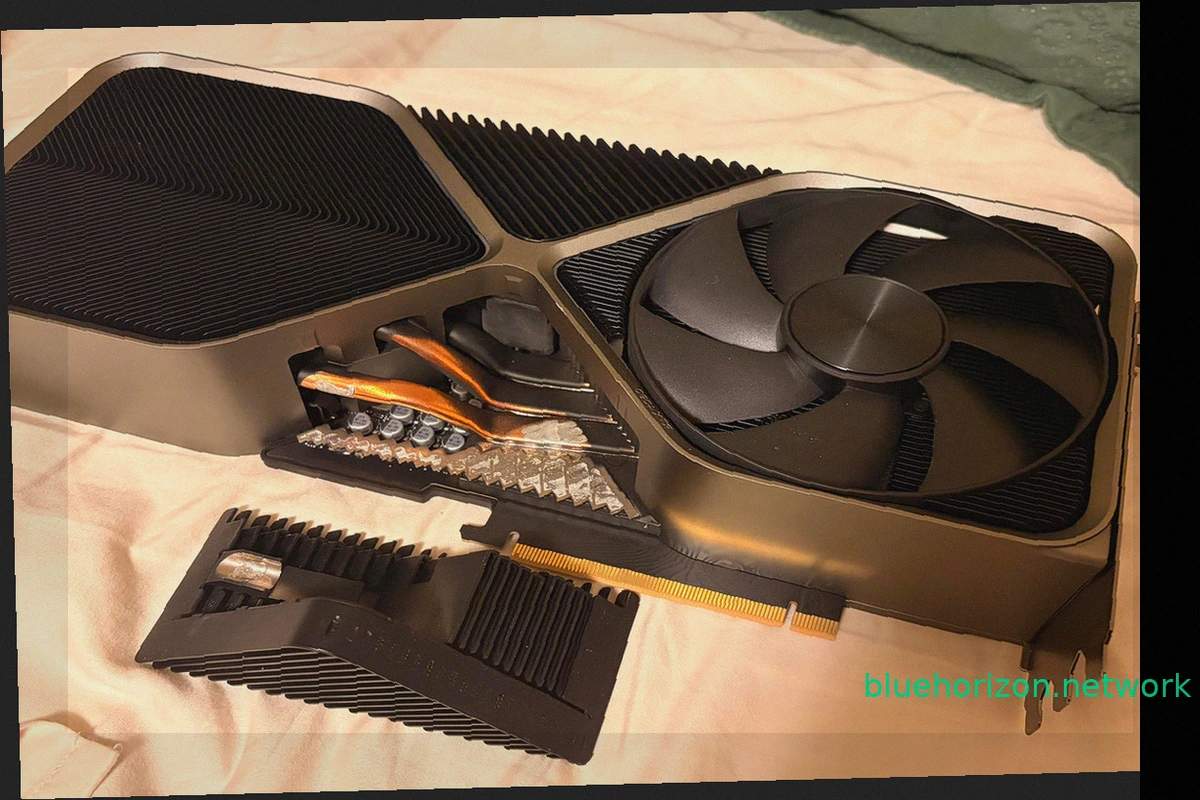
NVIDIA GeForce RTX 4090 Founders Edition Loses Part of Its Heatsink After Three Years
A NVIDIA GeForce RTX 4090 Founders Edition has presented an unusual problem, not with its power connector, but with its heatsink. This incident is unique, as a portion of the graphics card's massive heatsink literally detached while its owner was moving the computer. This wasn't a decorative c

Russian Missiles Strike Infrastructure of 1337x, Second Largest Torrent Tracker, Hitting Piracy
Russian missile attacks have damaged infrastructure belonging to popular torrent trackers like 1337x. Between September 23 and 27, 2026, Russia conducted strikes targeting data centers and communication facilities in Kyiv. These attacks temporarily disrupted internet access for approximately 1
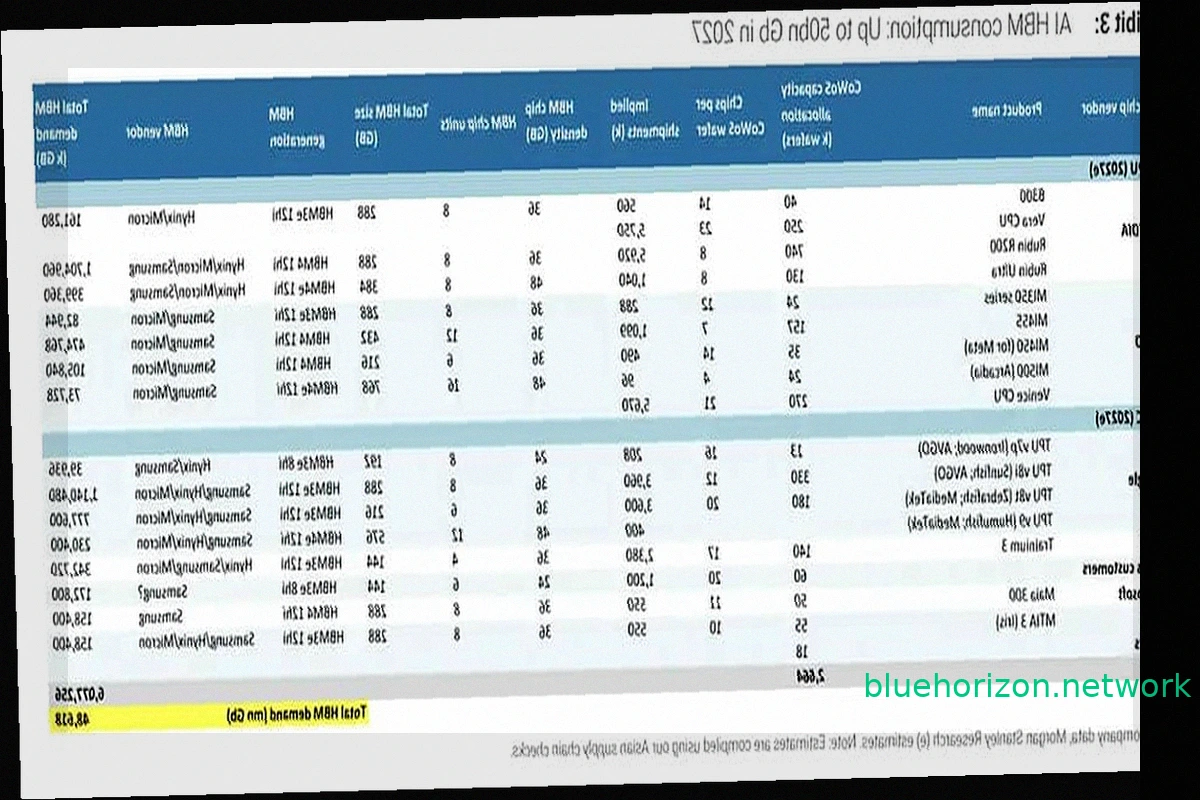
NVIDIA, Google, and AMD Poised to Control 85% of HBM Memory Demand by 2027
The "you'll own nothing and be happy" meme is finding a parallel in hardware, specifically memory. NVIDIA, Google, and AMD are set to command 85.4% of the global High Bandwidth Memory (HBM) demand by 2027, according to Morgan Stanley estimates. These three buyers will largely dictate the pace
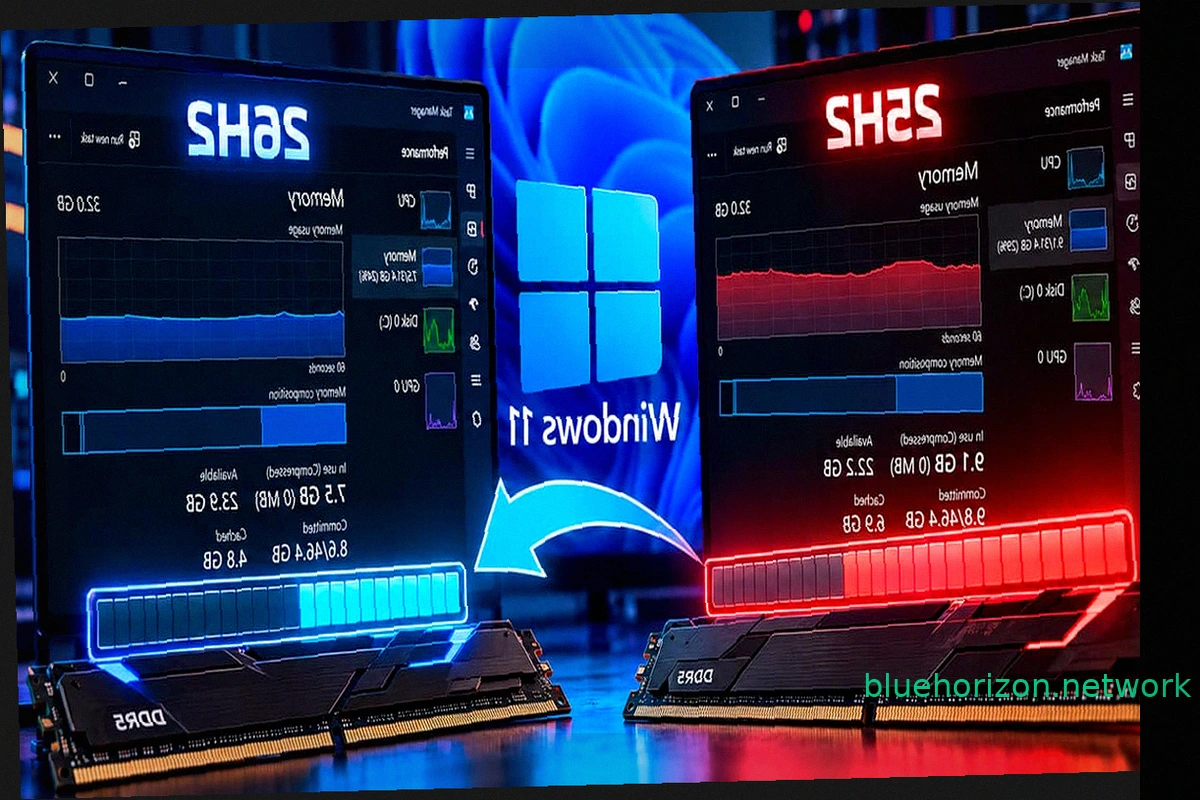
Windows 11 26H2 Reduces RAM Consumption by Up to 2 GB, But 8 GB Machines Still Struggle
Windows 11 26H2 is rolling out optimizations for RAM management. Some users report a noticeable decrease in RAM usage after installing this update, with certain systems showing a reduction of up to 2 GB compared to Windows 11 25H2 upon startup. However, initial findings suggest this improvemen

RTX 5090 fails with DLSS 5 after 48 hours for Chinese streamer
NVIDIA's RTX series introduced Tensor Cores, enabling technologies like DLSS. Early DLSS versions offered a noticeable drop in image quality compared to native resolution. DLSS 2 brought significant improvements, and DLSS 3 achieved parity or even superiority over native rendering. DLSS 4 cont