Following a leak from Valve, AMD has officially released AMD FSR 4.1 for Radeon RX 7000 graphics cards based on the RDNA 3 architecture, ahead of schedule. This new feature is included in the AMD Software Adrenalin Edition 26.6.2 driver, with official release notes confirming AMD FSR Upscaling 4.1 support for the Radeon RX 7000 Series. Previously, this machine learning-based scaling version was primarily associated with Radeon RX 9000 series cards using the RDNA 4 architecture. This move significantly expands the technology’s reach, largely thanks to player community complaints regarding an FSR 4.1 initially announced as exclusive to RDNA 4.
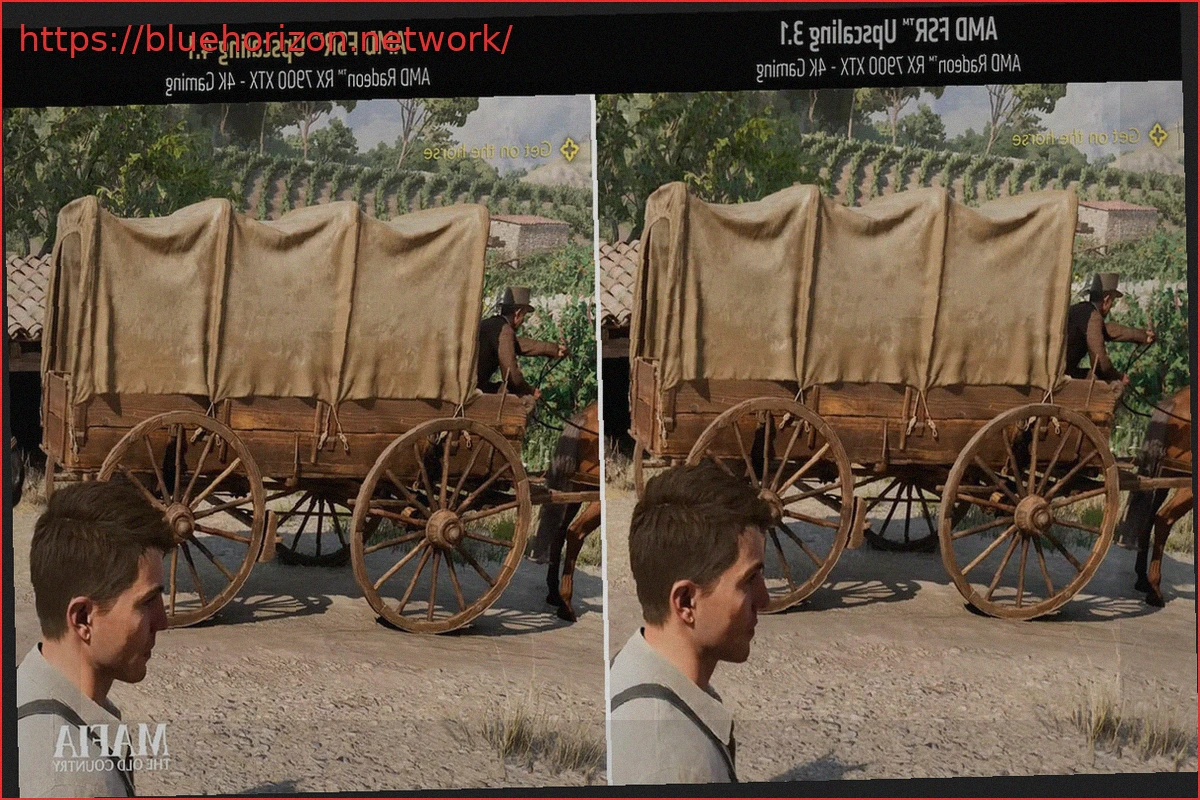
AMD states that FSR 4.1 is now available for Radeon RX 7000 and RX 9000 cards, describing it as a machine learning-accelerated algorithm that enhances image quality compared to FSR 3.1. This means users of Radeon RX 7900 XTX, RX 7900 XT, RX 7800 XT, RX 7700 XT, RX 7600 XT, or equivalent models will gain access to a more advanced version of upscaling. This translates to cleaner image reconstruction, designed to better compete with technologies like NVIDIA DLSS and Intel XeSS. AMD claims support in over 300 games, though actual availability will depend on individual game integration and driver support.
AMD FSR 4.1 on Radeon RX 7000 Series (RDNA 3); RX 6000 (RDNA 2) users to wait until 2027
This release is also significant as it arrives earlier than initially planned. AMD had officially announced FSR 4.1 for Radeon RX 7000 series GPUs in July, but it has now been released on June 22, 2026, interestingly, following Valve’s leak via Proton Experimental. This leak revealed that AMD FSR 4.1 was not only functional on Radeon RX 7000 (RDNA 3) but also on Radeon 800M integrated graphics (RDNA 3.5). This confirms that AMD has accelerated the deployment for RDNA 3, likely due to pressure and complaints from the community and after indications of compatibility emerged through Proton Experimental.
Another crucial aspect of the announcement concerns RDNA 3 APUs. AMD is not only focusing on dedicated graphics cards but also confirming development of lighter machine learning models to bring FSR 4.1 to more devices with integrated graphics. This is vital for laptops, mini-PCs, and consoles/handhelds with Radeon iGPUs, where power and resource margins are far more limited than in dedicated GPUs. In simple terms, while RX 7000 series cards are receiving FSR 4.1 now, RDNA 3 APUs will require a more optimized and less resource-intensive variant of the model.
The AMD Software Adrenalin Edition 26.6.2 drivers also add support for new games, including Assassin’s Creed Black Flag Resynced and DOOM: The Dark Ages | Revelations. Additionally, it addresses an intermittent crash or timeout in RoadCraft on Radeon RX 7000 series and a purple screen issue with HP Reverb G2 headsets using SteamVR on Radeon RX 6000 GPUs. AMD also notes several known issues, including crashes in Battlefield 6 with AMD Ryzen AI 9 HX 370, and instances where FSR Upscaling or FSR Frame Generation might appear inactive in Battlefield 6 on Radeon RX 9000 series cards.
For Radeon RX 6000 users, the news is positive but not immediate. AMD is sticking to its roadmap to bring FSR 4.1 to RDNA 2 as well, although this support is expected for early 2027. Therefore, the deployment is staggered: first the Radeon RX 9000 series, then the Radeon RX 7000 series, followed by RDNA 3 APUs with lightweight models, and finally, the Radeon RX 6000 series.