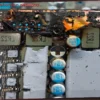

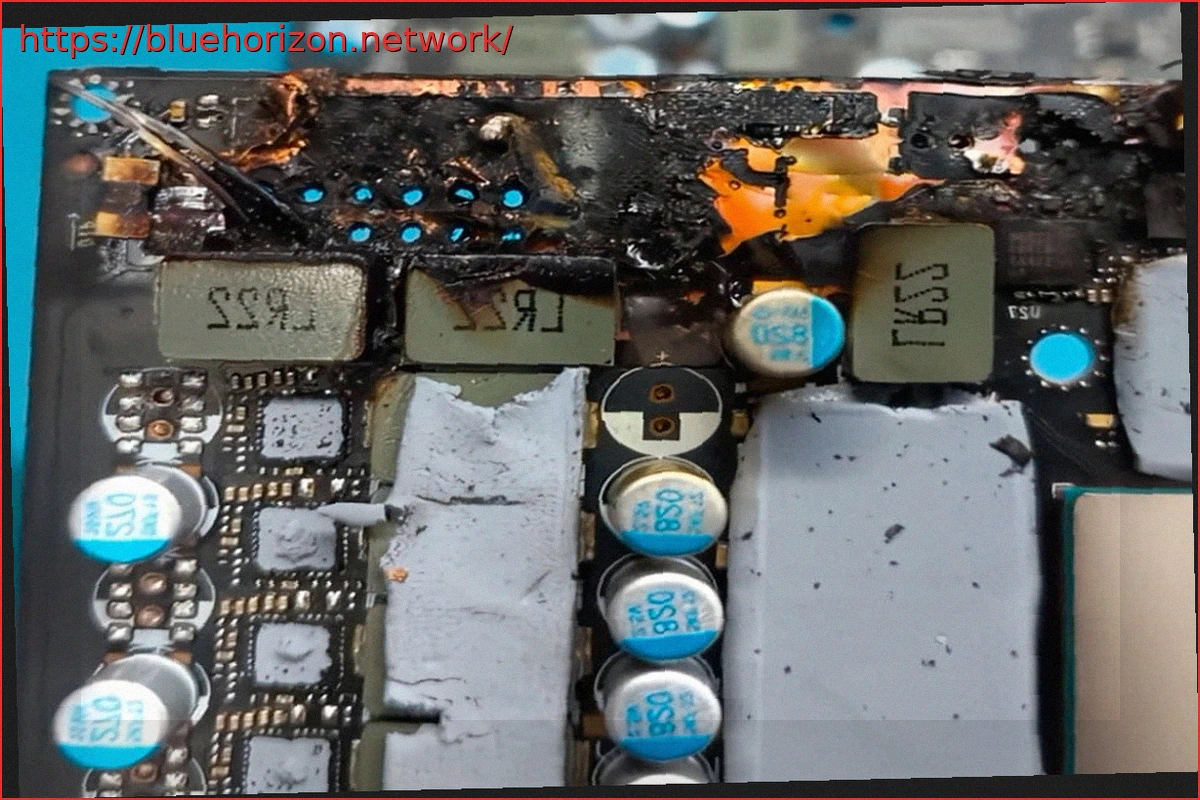
A GeForce RTX 5090 has once again become the subject of attention after being completely burned out. This is the most severe case yet linked to the 16-pin power connector. The incident comes from Vietnam, where the specialized workshop quyle.gpufix received two GeForce RTX 5090 graphics cards for repair. In both cases, the problem was the same: the dreaded 12v-2×6 16-pin power connector. One of these GPUs was repaired quickly and easily, but the second arrived in a much more critical state, with severe damage to the power delivery area, a burnt PCB, and, according to the workshop itself, irreparably damaged GPU and VRAM. In essence, the graphics card was beyond repair.
According to the report, the first card had been tampered with before reaching the workshop. It presented power delivery issues, GPU detection problems, and even the absence of an A1 VRAM chip. Nevertheless, the workshop stated that this unit was successfully repaired and returned the same day. The real problem lies with the second RTX 5090, where the damage was so severe that the area around the 16-pin connector was practically destroyed. Furthermore, the fire was so intense that the power connector is not even physically visible on the GPU.
This is the First GeForce RTX 5090 to Suffer Such Extensive Damage from its Power Connector
This new case is particularly striking because it involves an extremely severe failure for a GeForce RTX 5090 that ended up burnt. This means the most powerful and expensive GPU from NVIDIA, a product whose high price point should correspond to superior component quality and assembly, failed catastrophically.
The Vietnamese workshop openly criticized that a graphics card of this price does not include additional protections, such as a specific fuse to prevent a short circuit from burning the PCB. The complaint centers on the fact that, in the event of an internal electrical failure or component defect, the damage can escalate to destroy the PCB, the graphics chip, and the VRAM itself. Moreover, according to the repairer, the warranty was denied, as it was considered a case of “fire or explosion.” The workshop considers this unfair if the origin of the problem lies within the circuitry or factory components. Unfortunately, the manufacturer of this GPU was not mentioned at any point.
It is also unknown what power supply was used, whether the cable was a native 12v-2×6, if adapters or extensions were present, if there were excessive bends, or if the connector was improperly inserted. Regardless of the reason, this is a severe enough incident that the blame should not be solely placed on the customer. That is, a misconnection of a GeForce RTX 5090 should not result in it being burnt or exploding, something that had not occurred until the advent of the new connector. Based on the limited images provided, this could be a GeForce RTX 5090 from a Dell OEM system. This suggests it might be an OEM variant rather than a model assembled by a brand directly available in stores.
EVGA Was the Only GPU Assembler Whose Warranty Covered ‘Fire and Explosions’
The severity of this case lies in the fact that it is not limited to a melted connector or a damaged cable. According to the report, the damage reached the PCB itself and destroyed the GPU and VRAM. This means the GPU is completely destroyed and unrepairable. For graphics cards at this price point (all of which now exceed 5,000 euros), a warranty denial for thermal or electrical damage places the user in a very precarious situation. Not only do they lose a top-tier GPU, but they may also not receive a replacement from the manufacturer. There have been cases where a warranty was accepted, but only by refunding the original purchase price of the GPU, preventing the user from using the refunded money to buy the same GPU again.
The only GPU assembler that offered a warranty that even covered fires and explosions was EVGA. This was a premium manufacturer exclusive to NVIDIA. Their GPUs were renowned for both their build quality and their ability to withstand extreme overclocking. However, the company eventually exited the business, citing that NVIDIA’s profit margins were too high, making the business unviable. Consequently, they canceled the development of their GeForce RTX 40 Series and left the market.
The workshop has indeed failed in its duty, which should have been to expose the manufacturer that denied the GPU’s warranty. We have seen in the past that exposing such practices damages a brand’s reputation, often forcing them to backtrack and find a solution for the customer.