
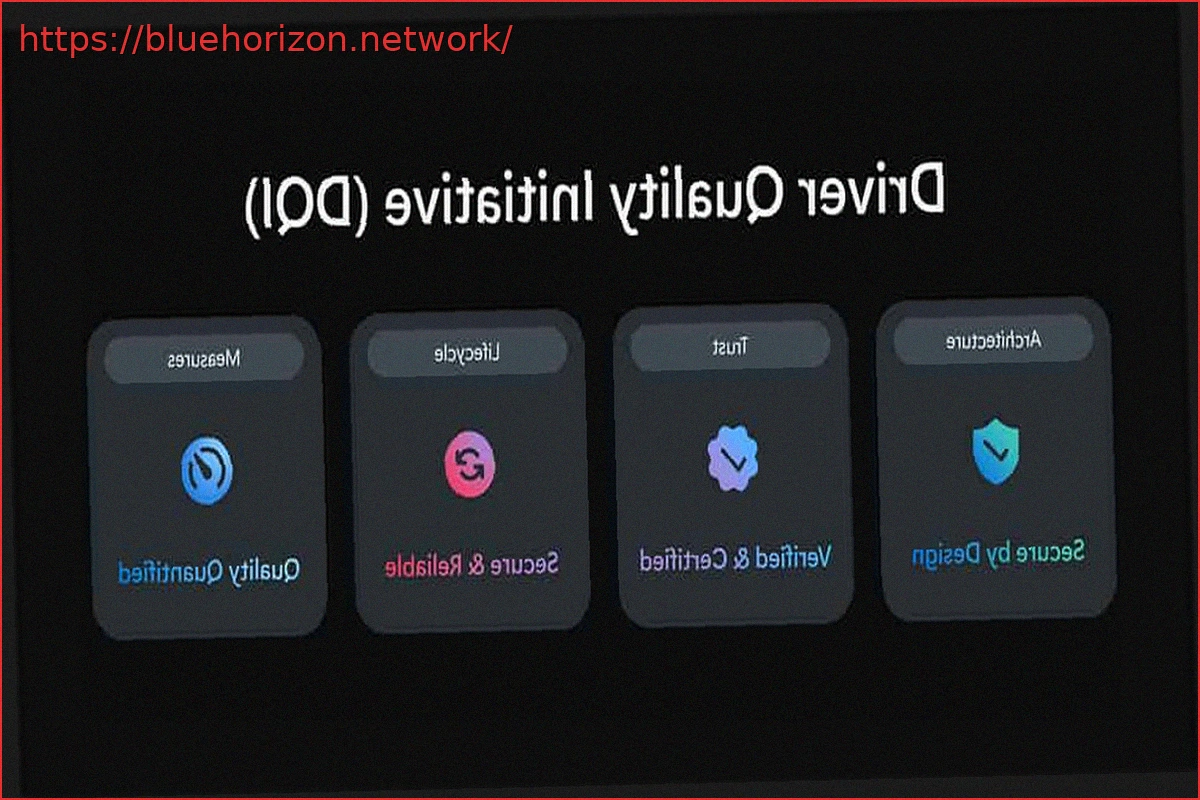
Microsoft is taking steps to eradicate the problematic drivers that plague Windows 11. They have unveiled Microsoft DQI (Driver Quality Initiative), an official program announced at WinHEC 2026. This initiative is designed to significantly improve the quality, reliability, and security of drivers across the entire Windows 11 ecosystem. The goal is to finally put an end to compatibility issues, performance degradation, and stability problems, offering users a much-needed improvement.
The objective is straightforward: to ensure that PC updates no longer result in system crashes, perplexing errors, reduced performance, power management issues, or erratic device behavior that leaves users confused and frustrated, without unnecessary headaches.
Microsoft DQI: Saying Goodbye to Bad Drivers in Windows 11 After Two Decades of Trial and Error
The context surrounding drivers is crucial, as they are a critical component of any Windows PC and represent an extremely complex piece of software. Drivers are responsible for bridging the gap between the operating system and hardware components such as the CPU, GPU, Wi-Fi, audio, camera, storage, and peripherals, enabling them to function correctly.
The approach Microsoft is taking is particularly interesting, given the long history of attempts to address this issue. Microsoft explains that Windows collaborates with thousands of partners and tens of thousands of active driver families to achieve DQI. When everything functions as it should, users experience a stable, fast, and secure PC, which is the expected norm. However, when issues arise, the blame often falls on Windows, even if the root cause is a faulty, outdated, poorly validated, or insecure driver. This means the software provider hasn’t fulfilled their responsibilities properly, even if Microsoft has validated it through WHQL. So, how will this be resolved once and for all?
To achieve this, Microsoft DQI is built upon 4 main pillars. The first is architecture. Microsoft aims to strengthen kernel-mode drivers, which are particularly sensitive as they operate in a critical system area. Furthermore, Microsoft wants to facilitate the transition of some third-party drivers to user mode or their replacement with Microsoft-developed class drivers, thereby reducing security risks, critical failures, and resilience issues. It’s worth noting the complexity of this endeavor at a code level.
The Project is of Unprecedented Scale
So significant are the advancements that Microsoft highlights progress with DQI for PCIe devices with DMA, upcoming improvements to the Wi-Fi stack, SoundWire Device Class for Audio, a new I3C class driver, an NCM class driver for USB Ethernet, and continuous enhancements to the drivers included in Windows 11.
The second pillar of Microsoft DQI is trust, which is currently at a low point among users. In this regard, Microsoft intends to strengthen partner verification, increase automated analysis, and raise the bar within the Windows Hardware Compatibility Program, the program responsible for validating hardware and drivers within the Windows ecosystem.
The third pillar addresses the lifecycle of these drivers, as some are over a decade old. Microsoft aims to improve the hygiene of the Windows Update catalog, retire obsolete or low-quality drivers, advance alignment with SBOM, and accelerate incident analysis using driver symbols.
The fourth pillar, perhaps the most critical, focuses on quality metrics. Microsoft aims to measure not only crashes but also stability, functionality, performance, power consumption, temperature, and the actual user experience, although they have not yet detailed precisely how this will be achieved or diagnosed, which would be highly relevant.
Regardless, for users, Microsoft DQI should translate into fewer problematic drivers, fewer risky updates, and increased pressure on manufacturers to refrain from distributing outdated, insecure, or poorly validated software through Windows 11. It’s possible that Microsoft may eventually introduce a “Microsoft DQI” certification, requiring products to be sold with it and for companies to adhere to all the aforementioned standards; otherwise, Microsoft might not validate their future offerings. We will have to wait for the launch to see exactly how it works, as many questions remain unanswered.