
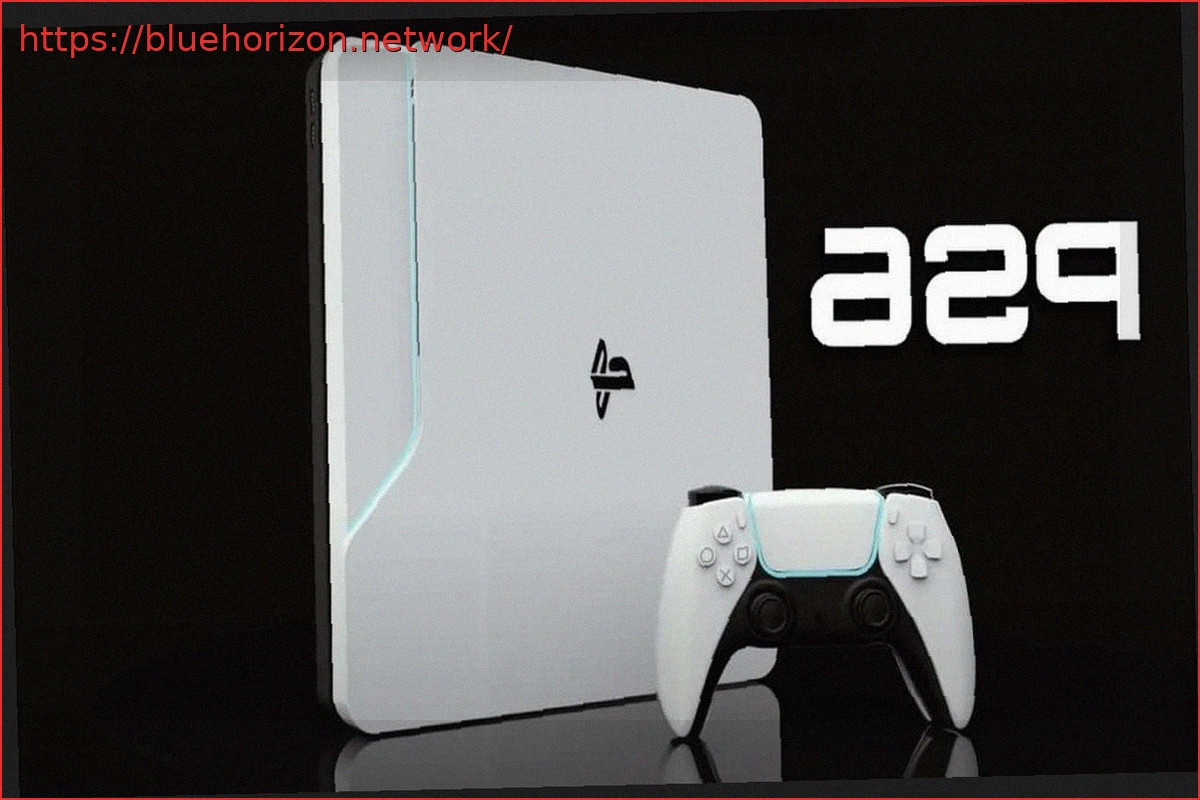
A key reason for purchasing a console is to have a device for gaming for many years. Typically, a console generation lasts about 7-8 years, with an additional 2-3 years before it completely fades. This pattern was observed with the PS3 and PS4, and the PS5 seems to be following suit. Recent rumors suggest that the PS6 will not be delayed until 2028, and Sony is unlikely to make the mistake of launching it with reduced memory despite high prices.
This console generation has been favorable for Sony, considering the success of the PS5 compared to the Xbox Series X and S. In fact, it has sold more than double the combined sales of Microsoft’s consoles, reaching levels similar to the PS4. If the Switch is considered part of this generation, Nintendo has outsold them in terms of units. However, in terms of power, the portable console lags behind. While the Switch 2 is more powerful and can handle current games, it has very few exclusive titles for the current generation.
PS6 Not Delayed to 2028; Sony Aims for Earlier 2027 Launch Due to Slowing PS5 Sales
Sony has sold over 90 million PS5 units, with strong sales in 2023 and 2024. However, sales began to decline in 2025, and sales in the current months of 2026 are not meeting expectations. According to Moore’s Law is Dead, a year-over-year sales drop of 46% has prompted Sony to accelerate the PS6 launch date. Instead of releasing in 2028 (with GTA VI being a potential factor), it is now expected in 2027, possibly even before the end of the year as originally planned.
Next year, the PS6 will not be alone, as it will compete against the Xbox Project Helix. However, Microsoft’s offering will not be a conventional console but something more akin to a Steam Machine, a PC-Console hybrid. The YouTuber also mentions that Sony plans for its consoles to have a lifespan of 10-11 years before they are retired, which is significant as the hardware must be capable of lasting that long.
Unlikely PS6 RAM Cut to 24GB and 128-bit; Potential 40GB Version Later Amidst Memory Crisis
Given the ongoing memory crisis, high prices, and scarcity, there are concerns that future consoles might be significantly more expensive or require compromises. MLID has discussed potential RAM cuts for the PS6 but quickly dismisses them, believing that Sony will not make the major mistake of reducing from 30GB of RAM to 160 bits down to 24GB and 128 bits.
Sony aims to attract players to purchase the new console. If the PS6 launches with 24GB and slower bus speeds, the difference with the PS5 will not be substantial. This would not only reduce player interest but also limit game development and the graphical advancements expected in a new generation. While unlikely, if Sony were to reduce memory due to the current situation, it might result in a 24GB or even 20GB PS6, but without altering the memory bus, as that would necessitate a redesign.
Another possibility is that Sony releases a PS6 with 24GB or 30GB as planned. In a future where memory issues subside, they could introduce a new model or upgrade existing ones with 40GB for the PlayStation 6 and 36GB for a potential PlayStation 6 Portable.