
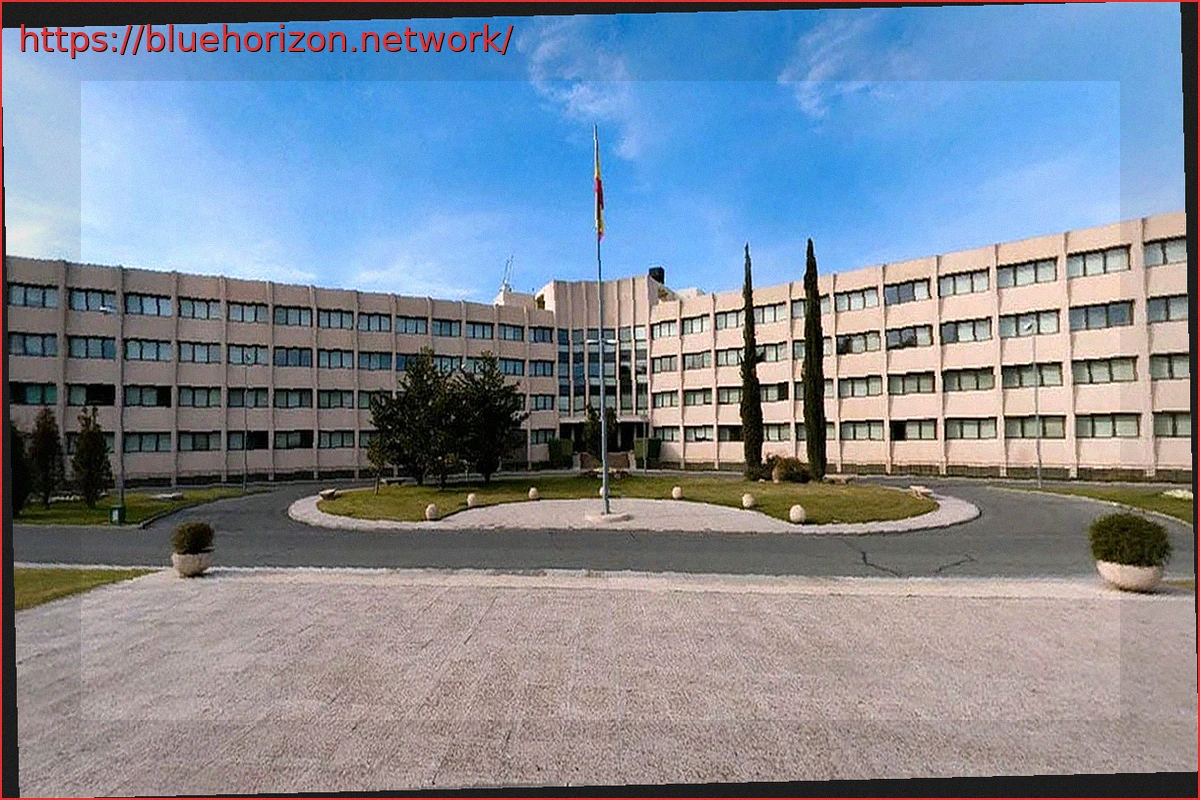
The National Intelligence Centre (CNI) has announced new recruitment opportunities in Spain, presenting a less conventional application process than typical job openings. The CNI is seeking individuals for a range of profiles, including Intelligence, Operations, ICT, Security, translators and interpreters, and corporate services. A fundamental prerequisite is clearly stated from the outset: candidates must not only meet academic qualifications but also be eligible to obtain a favorable security report. Let’s delve into what this entails.
The CNI’s own website portrays these positions as significantly more demanding than conventional public sector employment. It emphasizes a commitment to service, loyalty, discretion, and a spirit of sacrifice, defining these roles as “more than a job: a lifestyle”. This phrase encapsulates the essence of the recruitment drive, as it’s not a standard job pool but rather positions directly linked to national security, the safeguarding of strategic interests, and the handling of highly sensitive information.
CNI is Recruiting in Spain with Diverse Requirements
The most significant and sensitive requirement is detailed within the general conditions for employment at the Centre. Applicants must be Spanish nationals, possess the required qualifications for the grade they are applying for, be of legal age, have no record of dismissal from any Public Administration, not be disqualified, and not suffer from any physical illness or defect that would impede the performance of their duties. These initial criteria may seem straightforward.
However, the primary filter is the favorable security clearance, which must align with the specific demands of the role. What’s notable is the broad spectrum of entry levels the CNI considers. They are looking for candidates for groups A1 and A2, typically requiring university degrees, engineering, or architecture qualifications, as well as for groups C1 and C2, which include individuals with high school diplomas, technical certifications, or ESO (compulsory secondary education) qualifications.
In essence, a university degree isn’t always mandatory, although actual entry will always depend on the specific position and the success of the security screening.
Within the ICT sector, which may appeal to many, the CNI conveys a powerful message for technology professionals. The CNI describes work involving research, design, planning, development, administration, implementation, maintenance, and regulatory oversight of systems. System security is also highlighted as a daily responsibility, with some projects described as technological innovations that “seem straight out of a movie.”
The more sensitive areas present particularly challenging roles. Intelligence is responsible for gathering, evaluating, and interpreting information to protect Spain’s political, economic, industrial, commercial, and strategic interests. Operations deals with activities requiring operational means, procedures, or techniques. Security focuses on protecting the Centre’s facilities, personnel, materials, and information. Translators and interpreters may work with a wide array of languages, including those geographically and culturally distant.
An alternative pathway exists: individuals who may not meet all formal requirements but possess knowledge or special skills deemed useful to the CNI can apply through a collaboration channel. This avenue underscores a clear objective: the Centre is not solely seeking traditional résumés but also capabilities that can benefit national security. While qualifications open the door, the security clearance ultimately determines who can cross the threshold. The question remains: who will be selected?