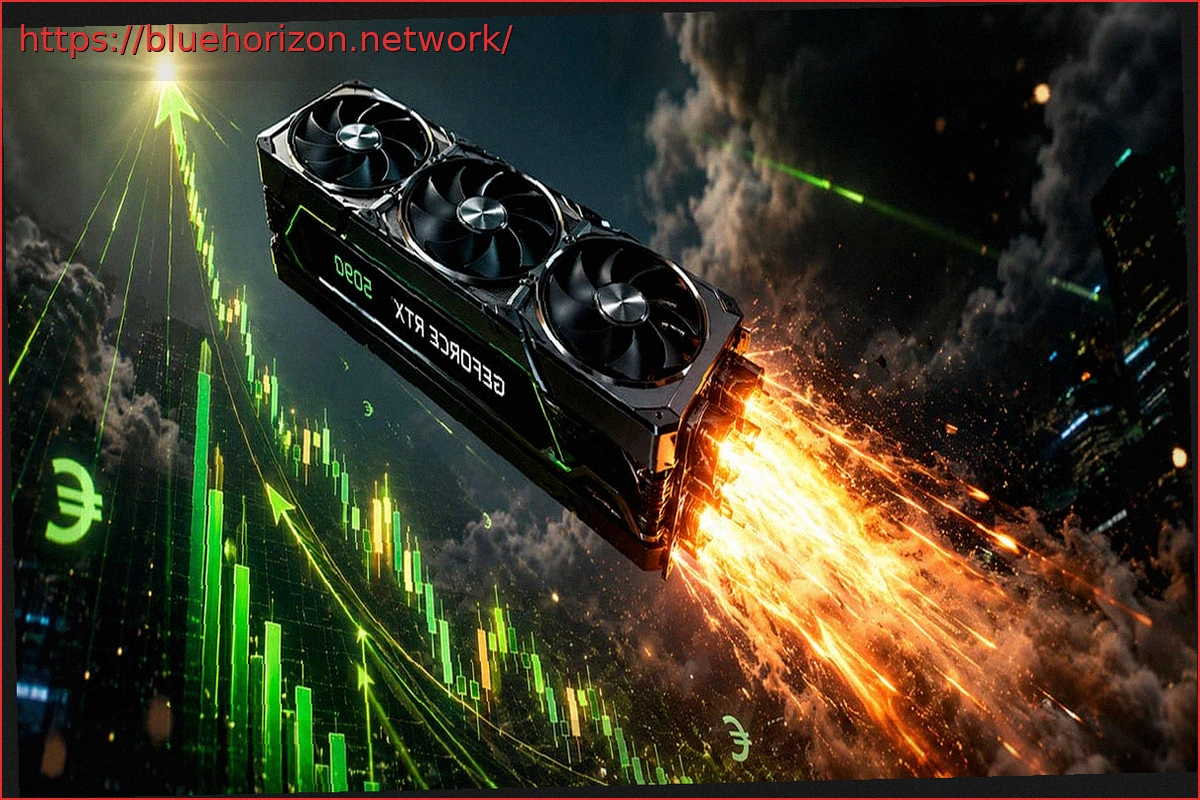
For over a year, rumors and leaks indicated a significant surge in RAM prices. This was an open secret, with memory manufacturers themselves acknowledging the trend. For instance, in April 2025, Micron Technology issued a warning about impending price increases for DRAM, NAND Flash, and HBM memory.
NVIDIA’s CFO has revealed that the company was aware of these upcoming changes and proactively secured memory before it became prohibitively expensive. This foresight, she noted, contrasts with other companies that are now struggling with RAM issues.
DRAM (RAM) and NAND Flash (SSD) prices rose sharply in October-November 2025, catching many by surprise. While global news outlets didn’t heavily feature the warnings, information about the impending price hike was available through diligent research.
Despite this, many companies blamed the sudden price increase on an “unprecedented crisis” that caught them off guard.
Colette Kress, NVIDIA CFO: ‘Companies Knew What Would Happen with RAM, But Weren’t as Prepared as We Were’
Colette Kress, NVIDIA’s Chief Financial Officer, acknowledged that her company has not faced the same crisis as others because they anticipated the situation. Like any business navigating a crisis, NVIDIA adapted. In this instance, they were able to mitigate the impact by purchasing memory in advance, thereby saving considerable money.
Furthermore, by not buying memory at its peak price, NVIDIA did not contribute to the price inflation. This is in stark contrast to other companies reportedly going into debt to acquire RAM. Kress stated that these companies are themselves responsible for their current RAM problems and crises.
Had these companies prepared and secured their memory supply, the situation might have been different, possibly even averting some of the crisis. Realistically, however, given the immense and growing demand from the AI industry, completely avoiding such issues is challenging.
AI Rubin GPU Demand Surpasses Combined Demand of Apple and Samsung Chips
It is estimated that the demand for NVIDIA’s Rubin platform for AI will exceed the combined demand of Apple and Samsung. By 2027, it is projected that NVIDIA will require 6 billion GB of LPDDR, while Apple will need 2.9 billion GB and Samsung 2.7 billion GB. As investments in AI continue to grow, so will the demand for NVIDIA’s GPUs, which remain the preferred choice for companies in the sector.
Meanwhile, China is actively seeking to minimize its reliance on NVIDIA. Following US sanctions and a period of market manipulation concerning chips and graphics cards, China has grown weary of the situation. The country is now capable of producing its own AI chips, such as the Huawei Ascend accelerators, and is focusing on using domestically developed technology.